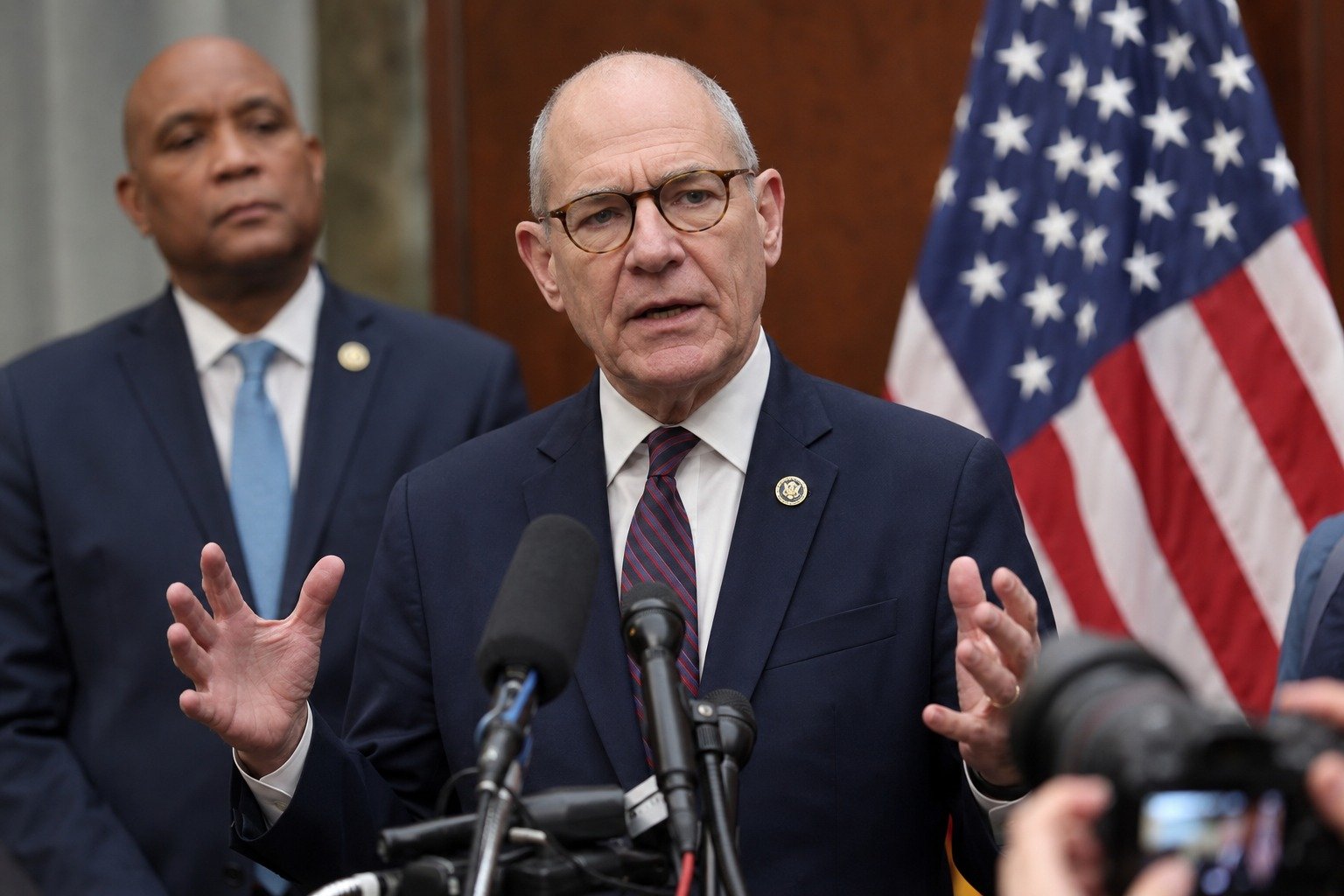
Rep. Jamie Raskin has introduced new anti-corruption legislation that would bar a sitting president from accepting payments from people they pardon or appoint – and force any such payments to be publicly disclosed. The measure takes direct aim at one of the most glaring accountability gaps at the very top of American government: the possibility that the most powerful person in the country could quietly profit from the people they let off the hook.
Raskin, a Maryland Democrat and one of the most prominent voices on government ethics in Congress, is not going it alone. He is joined by Sen. Elizabeth Warren, Sen. Chuck Schumer, Rep. Robert Garcia, and Rep. Joe Morelle in a coordinated push that frames presidential self-dealing as a problem worth writing into law.
Why the Pardon Power Is Under Scrutiny
The presidential pardon is one of the broadest and least-checked powers in the Constitution. A president can erase a person’s federal legal jeopardy with a stroke of a pen, and historically there has been little Congress could do about it. But the pardon power was never intended to function as a revenue stream. The concern driving this bill is simple: if a president can wipe away someone’s criminal exposure and then accept that person’s money, the line between mercy and a transaction collapses entirely.
The same logic extends to appointees. People seeking or holding powerful government posts have obvious incentives to curry favor with whoever controls their fate. Cash flowing from those individuals back to the president – whether through business deals, gifts, or other arrangements – raises the specter of access and influence being quietly bought and sold.
What the Bill Actually Does
The legislation does two things at once. First, it prohibits presidents from accepting payments from individuals they have pardoned or appointed. Second, it requires that any such payments be publicly disclosed – building a transparency backstop on top of the outright ban. That dual structure is slightly broader than simply forcing a president to tell Congress about every dollar; it also draws a hard line against the payments existing in the first place.
The bill is part of a larger anti-corruption package the group of lawmakers has assembled, signaling that they see presidential self-dealing as one piece of a wider accountability agenda rather than a one-off concern.
An Introduced Bill – Not Yet Law
It is important to be precise about where this stands. This is an introduced bill, not enacted law. It still has to move through committee, survive votes in both chambers, and reach a president’s desk – a steep climb in a divided Congress, especially for a measure that constrains the office of the presidency itself. The odds of swift passage are long.
But introducing legislation has value beyond its immediate chances of becoming law. It puts a marker down, forces a public debate, and gives voters a concrete proposal to rally behind or oppose. In that sense, the bill is as much a statement of principle as a legislative vehicle.
Reactions and the Debate Ahead
Supporters cast the measure as basic ethics – a common-sense guardrail that most Americans would assume already exists. Critics are likely to argue that the bill is aimed squarely at a specific administration and amounts to political messaging dressed up as reform. Either way, it puts a pointed question on the table that is hard to dodge: should a president ever be allowed to profit off a pardon?
What This Means for Americans
At its core, this fight is about whether the most powerful office in the country plays by the same anti-corruption rules as everyone else. When ordinary Americans take money in exchange for official favors, it is a crime. The question this bill forces into the open is whether the president should be any different. For voters who believe public power should not be for sale, the answer to that question may shape how they see the months ahead.
Stay informed on the stories that matter most. Follow Your Daily Updates on Facebook and bookmark yourdailyupdates.news for breaking news and analysis.