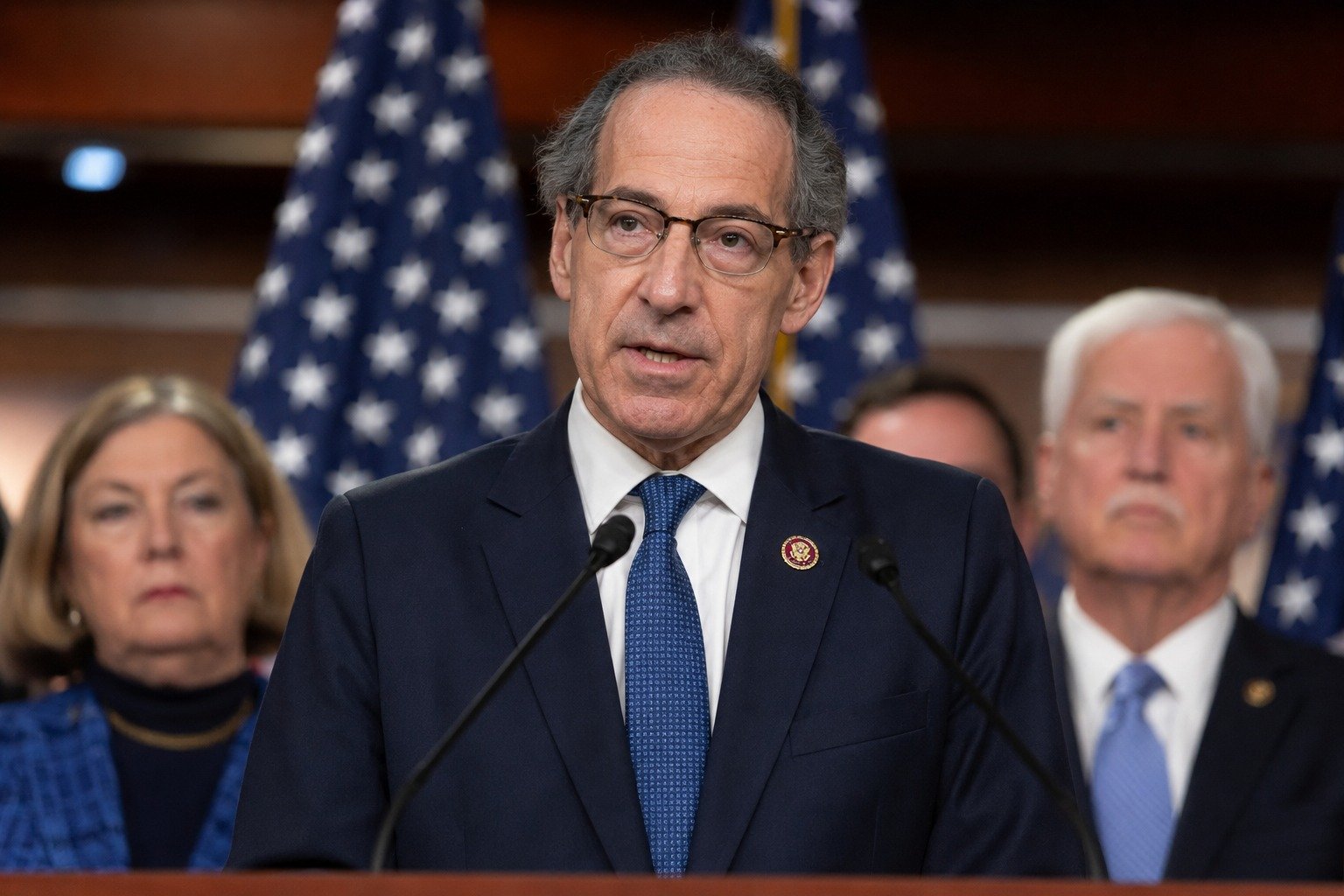
Rep. Jamie Raskin isn’t waiting for the next corruption scandal to unfold before acting. Instead, the Maryland Democrat is trying to make one specific kind of abuse flat-out illegal: a president cashing in on the very people they pardon.
This week, Raskin joined Rep. Robert Garcia and Rep. Joe Morelle to unveil a sweeping anti-corruption package on Capitol Hill. Among its central planks is a provision aimed squarely at what critics call the pay-to-play pardon. Under the bill, a sitting president would be barred from accepting payments — including money funneled through a business the president personally owns — from anyone they pardon or appoint to office.
Turning the Pardon Power Into a Cash Register
The logic behind the measure is straightforward. The Constitution grants the president broad authority to issue pardons and grant clemency. But the framers never intended that power to double as a revenue stream. Raskin’s bill is designed to slam the door on a scenario in which a president grants clemency and then quietly collects a check from the grateful recipient — whether directly, or indirectly through a hotel booking, a resort membership, or any company bearing the president’s name.
In plain terms, the legislation would make it illegal to monetize mercy. Supporters argue that without a clear legal line, the pardon power could quietly become one of the most corruptible tools in the executive branch, available to the highest bidder rather than reserved for cases of genuine justice.
A Response to a Proposed ‘Super Pardon’ Scheme
Raskin’s office says the measure is a direct response to a proposed Department of Justice “super pardon” scheme — an effort that watchdogs warn could be used to shield allies and insiders from accountability. Critics say such a plan would open the door to exactly the kind of self-dealing that the nation’s founders feared when they debated the limits of executive clemency.
The broader anti-corruption package that Raskin unveiled alongside Garcia and Morelle takes aim at what its sponsors describe as a pattern of profiteering from public office. The pardon-payment provision is one piece of a larger framework intended to rebuild guardrails around the presidency and re-establish that public power cannot be quietly converted into private profit.
Introduced, Not Yet Law
It’s important to be clear about where this stands. The bill has been introduced — not enacted. To become law, it would still need to pass both the House and the Senate and then be signed by the president. In the current Congress, that is a steep climb, and the legislation faces an uncertain path.
But supporters argue that the value of the bill lies partly in the act of drawing the line now, before the abuse it describes becomes routine or normalized. By putting the prohibition into legislative text, Raskin and his colleagues are forcing a public conversation about whether the pardon power should ever be for sale.
For accountability advocates, the message is that the moment to set clear rules is before a crisis, not after. Whether or not the bill advances, its introduction signals that a bloc of lawmakers intends to keep the spotlight on the intersection of presidential power and personal profit — and to keep asking whether the country is comfortable with a system that leaves that door open.