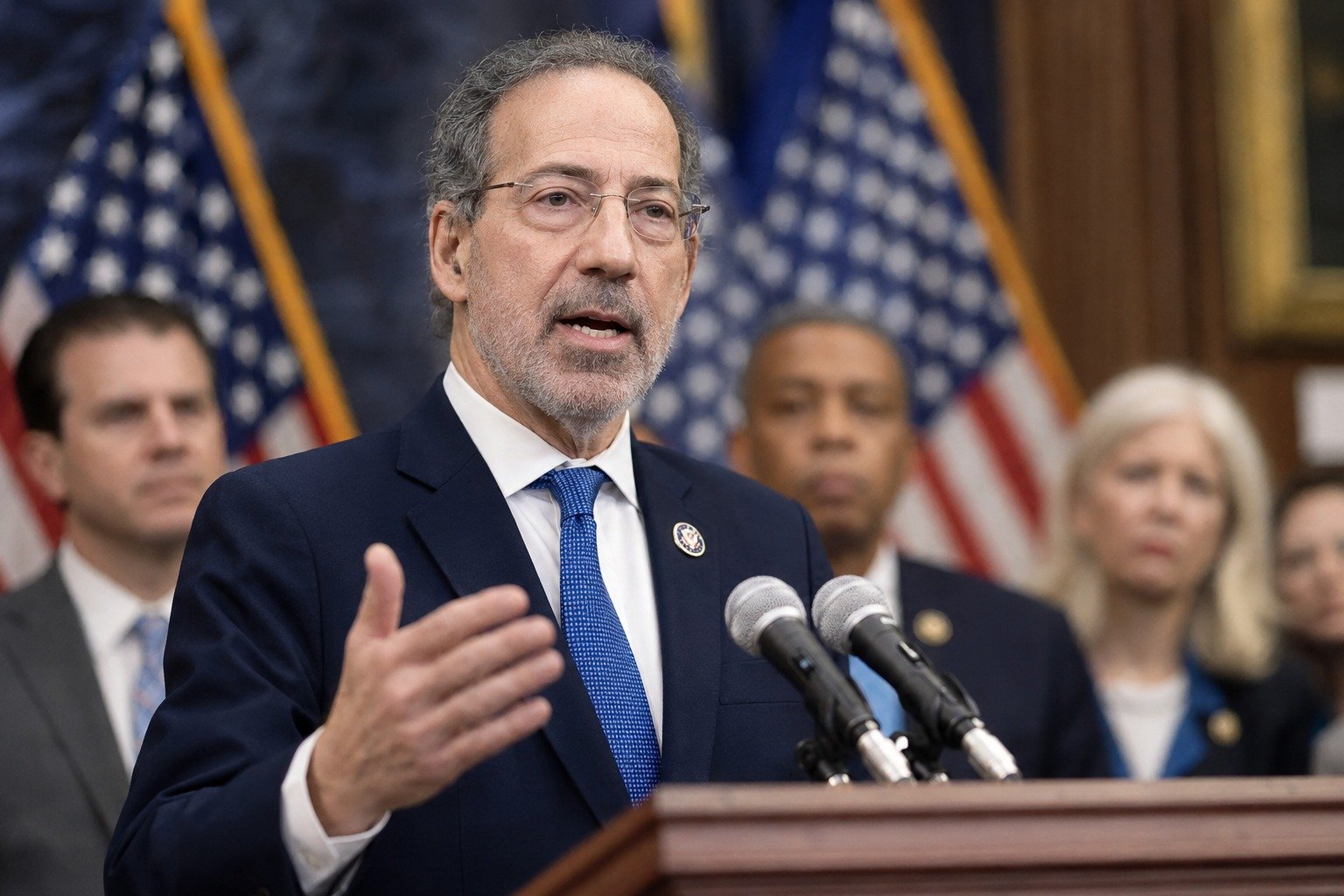
Rep. Jamie Raskin has introduced legislation that takes direct aim at one of the murkiest corners of presidential power: the ability to grant a pardon and then quietly cash in on it. The bill would make it illegal for any president to accept money, gifts, or anything of value from the people they pardon, or from the officials they appoint.
It is a proposal, not yet a law. The measure has only just been introduced and would still need to pass both chambers of Congress before it could take effect. But the idea it targets is one good-government advocates have warned about for years: the danger of a pardon being treated less like an act of mercy and more like a transaction.
What the Bill Would Do
At its core, the legislation would bar a sitting president from receiving payments, donations, or favors from anyone they grant clemency to. It would extend the same prohibition to the people a president appoints to positions of power. The aim is to sever any financial connection between the act of pardoning and any benefit flowing back to the person who signed the pardon.
As it stands, there is no clear federal statute that explicitly stops a president from issuing a pardon and later accepting a “thank you” in the form of cash, a campaign contribution, or some other favor. Raskin’s bill is designed to close that gap and make the so-called “pay-to-play” pardon scheme illegal outright.
Why It Matters
The pardon power is one of the broadest and least checked authorities the Constitution grants the president. Once a pardon is issued, it generally cannot be undone. That sweeping power has long made the pardon process a focal point for concerns about abuse, especially when clemency appears to flow toward political allies, donors, or the well-connected.
Raskin’s argument is straightforward: a pardon is meant to be an instrument of justice or mercy, not a product to be bought and sold. By drawing a hard line between clemency and personal enrichment, the bill seeks to restore the idea that the pardon power belongs to the public interest rather than to private deals.
Part of a Larger Push
The measure is part of a broader Protecting Our Democracy-style package aimed at putting guardrails back on executive power. That family of reforms has, in various forms, sought to tighten oversight of presidential authority, strengthen anti-corruption rules, and reinforce accountability mechanisms that many Americans assume already exist on the books but, in many cases, do not.
Supporters frame the pardon provision as a common-sense ethics rule. Critics of expansive reform efforts often argue that such measures are politically motivated or that they risk constraining a power the Constitution deliberately left broad. That tension is likely to shape the debate as the bill moves forward.
What This Means for Americans
For ordinary citizens, the stakes come down to trust. A pardon system that can be quietly monetized erodes confidence that the rule of law applies equally. A clear ban on profiting from pardons would, in theory, make it harder for any president to turn an act of clemency into a personal payday. Whether that protection becomes reality now depends on Congress.
It is worth repeating that this is a bill that has only been introduced, not enacted. It faces a long road through a Congress where anti-corruption measures frequently stall. The fight over whether presidents should be allowed to profit off their own pardons is just beginning.
Stay informed on the stories that matter most. Follow Your Daily Updates on Facebook and bookmark yourdailyupdates.news for breaking news and analysis.