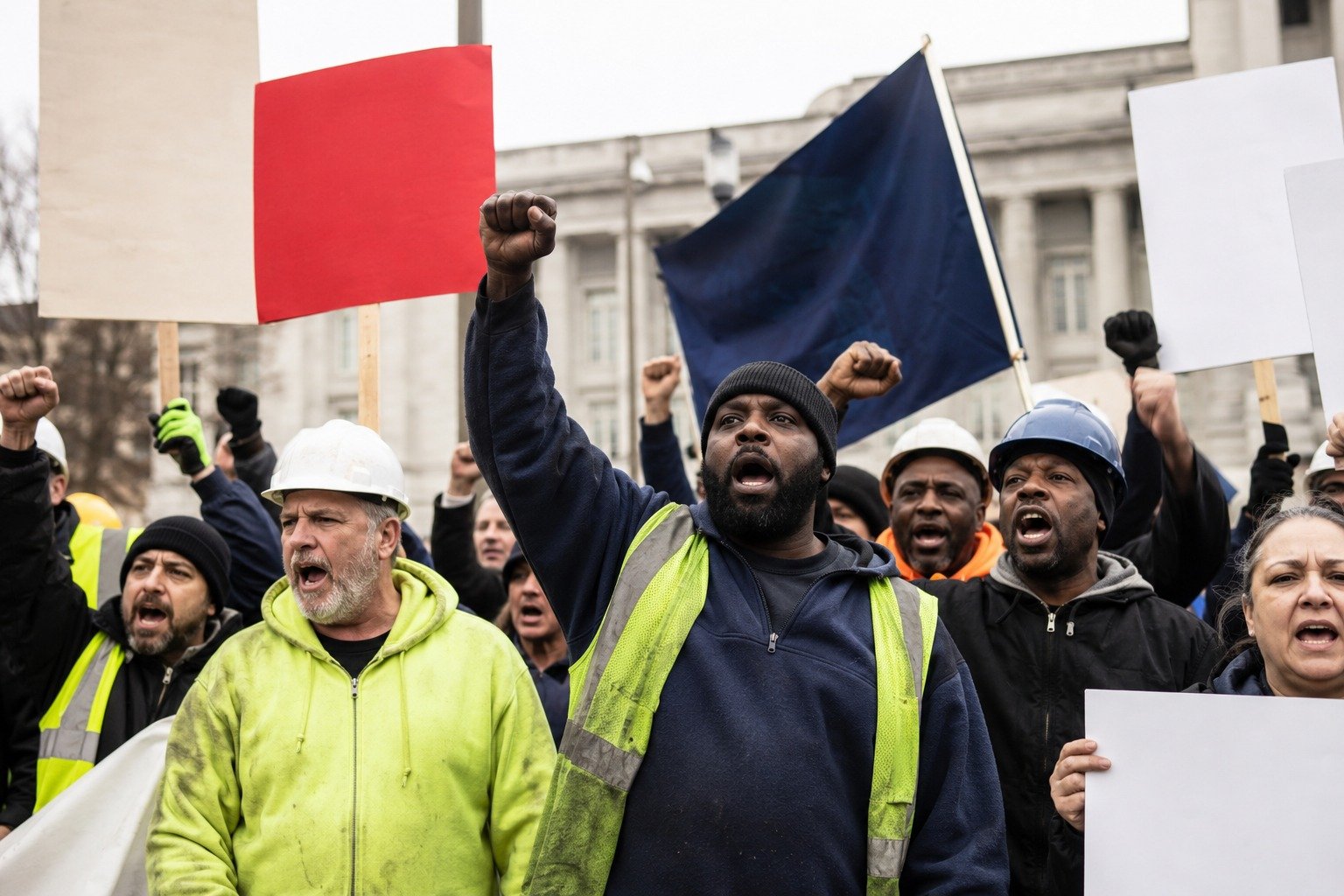
The single biggest pro-worker bill in a generation is back on the table in Washington. The Richard L. Trumka Protecting the Right to Organize Act — better known as the PRO Act — has been reintroduced in Congress, reviving a sweeping effort to rewrite the rules of American labor in favor of working people for the first time in decades.
The legislation, designated H.R. 20 in the House and S. 852 in the Senate, was brought back this spring by Rep. Bobby Scott of Virginia and Rep. Brian Fitzpatrick of Pennsylvania in the House, with Sen. Bernie Sanders of Vermont leading the companion bill in the Senate. It is named for the late Richard Trumka, the longtime AFL-CIO president who died in 2021 and spent his career fighting to strengthen the legal right of workers to organize.
What the PRO Act Would Actually Do
At its core, the PRO Act is designed to make it dramatically easier for workers to form and join unions — and much harder for employers to stop them. It amends the National Labor Relations Act, the foundational labor law that has governed organizing in the United States since the 1930s, to close loopholes that critics say have tilted the playing field toward corporations for generations.
The bill would strip away many of the legal traps that let employers stall and crush union drives. It would ban the mandatory anti-union meetings — often called “captive audience” meetings — that bosses can require workers to attend during organizing campaigns. And it would impose real financial penalties on companies that illegally retaliate against employees for trying to organize, a step supporters argue is essential because current penalties are so weak that many employers treat them as a cost of doing business.
In plain terms, the measure would shift power off the executive floor and onto the shop floor. It would make it harder for a corporation to bust a union and far easier for workers to win one.
Why the Opposition Is Already Mobilizing
The reintroduction has not been quiet. Business lobbies have spent years and millions of dollars fighting this bill across multiple Congresses, and they are lining up against it again. The reason is straightforward: the PRO Act represents the most significant rebalancing of power between employers and workers that federal law has contemplated in decades.
Labor groups, led by the AFL-CIO, have celebrated the bill’s return and framed it as a defining test of where lawmakers stand. The bipartisan nature of the House sponsorship — with a Republican co-lead in Fitzpatrick alongside Democrat Scott — is a deliberate signal that support for workers’ right to organize is not confined to one party.
A Reintroduction, Not a Law
Here is the honest part that supporters themselves acknowledge: this is a reintroduction, not a law. With the House under Republican control, the PRO Act faces steep odds and a hard road to a floor vote, let alone passage. Previous versions cleared the House when Democrats held the majority but stalled in the Senate, and the current math is even more difficult.
So why bring it back at all? Supporters say the point is to force the issue onto the record — to make every member of Congress take a position on whether workers should have a meaningful right to organize. Putting the bill in front of lawmakers, even against long odds, keeps the fight visible and the pressure on.
What This Means for Working Americans
For tens of millions of workers, the stakes are concrete. Unionized jobs tend to come with higher wages, better benefits, and safer conditions — and the ability to actually form a union is the gateway to all of it. The PRO Act would remove some of the biggest obstacles standing between workers and that bargaining power.
That leaves the real question pointed squarely at elected representatives: do they stand with workers, or with the lobbyists writing checks to stop them? With the bill back in play, voters will be watching how their members answer.
Stay informed on the stories that matter most. Follow Your Daily Updates on Facebook and bookmark yourdailyupdates.news for breaking news and analysis.