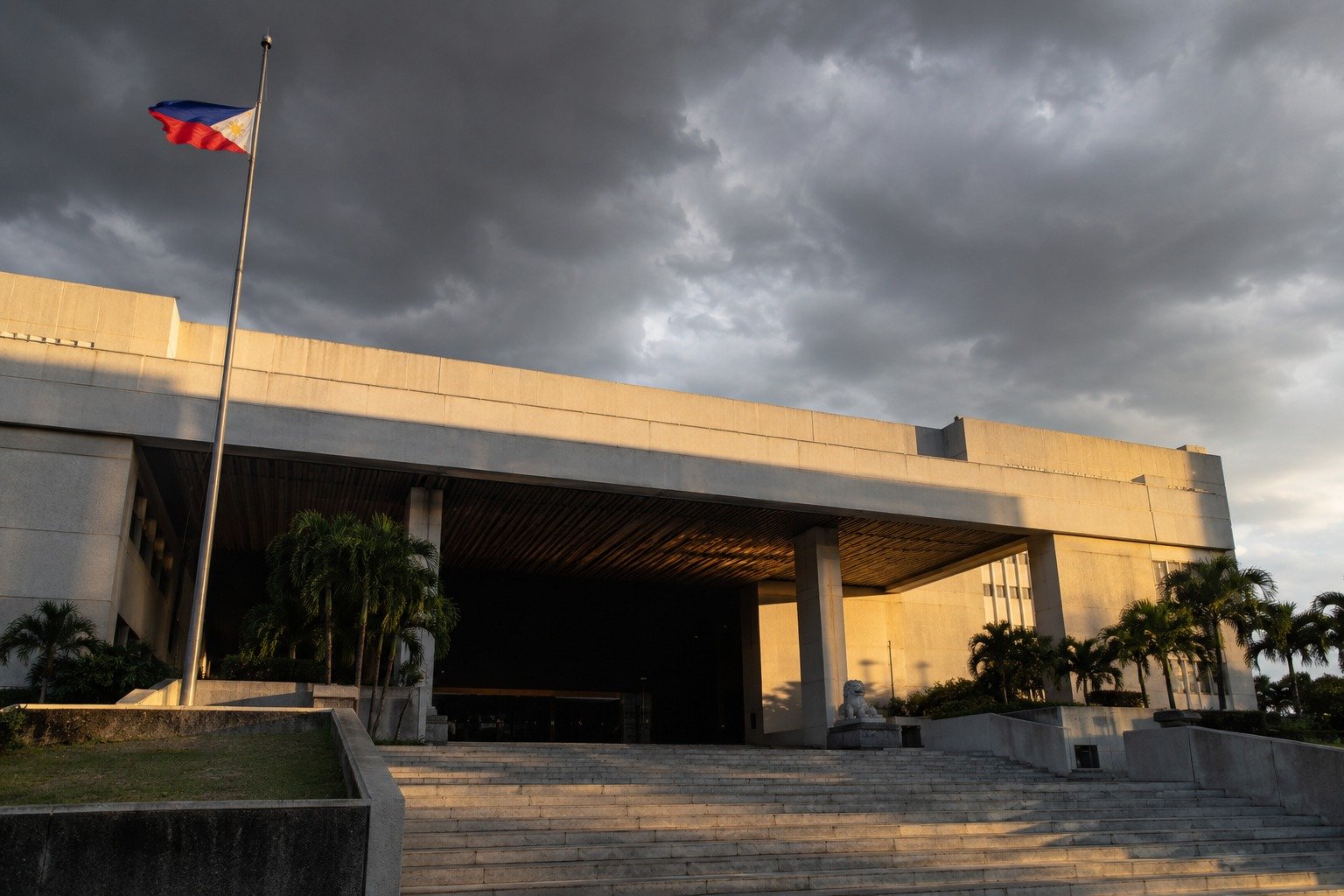
A bill moving through the Philippine Congress would impose the death penalty — by firing squad — on any government official convicted of plundering public funds. The proposal has sent shockwaves across Southeast Asia and ignited a fierce national debate about justice, accountability, and how far a government should go to protect its citizens from the people they elect.
A Nation Demanding Accountability
The Philippines has long wrestled with political corruption. For generations, public officials have enriched themselves while millions of Filipinos live in poverty, with inadequate roads, schools, and healthcare. Anti-corruption campaigns have come and gone. Prosecutions have been slow. Convictions even slower. And many who were convicted have managed to reduce sentences, win appeals, or live out comfortable years behind bars before parole.
The new proposal represents a fundamental shift in how lawmakers want to address the problem. Rather than treating corruption as a white-collar crime with fines and prison time, the bill would reclassify plunder of public funds as a capital offense — punishable by death. Specifically, by firing squad, a method that was used in the Philippines before capital punishment was abolished in 2006.
What the Bill Would Do
Under the proposed legislation, any government official — from local mayors and barangay officials to national lawmakers and cabinet members — found guilty of stealing public money would face execution. The bill does not limit its scope to large-scale plunder. Critics have raised concerns that the broad language could be used to target officials over relatively minor infractions, depending on how courts interpret the law.
Supporters counter that a strong deterrent is precisely the point. They argue that the current system — in which corrupt officials know they can steal millions, face a years-long trial, and potentially avoid serious consequences through legal maneuvering — has failed. If politicians know that the penalty is death, the argument goes, they will think twice before dipping into the public treasury.
Strong Opposition from Rights Groups
Human rights organizations and legal scholars have responded with alarm. The United Nations has long maintained that the death penalty should be reserved for only the most serious crimes — typically defined as intentional killings. Applying it to financial crimes, critics say, crosses a fundamental line.
There are also serious concerns about the potential for abuse. In a political environment where accusations of corruption can be used as a weapon against opponents, critics warn that the threat of the death penalty could be wielded selectively — targeting political rivals while protecting allies. Several international human rights organizations have already called on Philippine lawmakers to reject the bill.
Research on capital punishment also casts doubt on the deterrence argument. Studies across multiple countries and crime categories have consistently found that the existence of the death penalty does not significantly reduce crime rates. There is little evidence to suggest it would prove more effective against entrenched political corruption than it has against violent crime.
A Complicated History With Capital Punishment
The Philippines abolished the death penalty in 2006 under President Gloria Macapagal Arroyo, becoming one of the first Asian nations to do so. The move was widely praised by international human rights advocates. Former President Rodrigo Duterte attempted to revive capital punishment during his administration, arguing it was necessary to combat drug crime, but those efforts ultimately failed in the legislature.
This new push links capital punishment directly to corruption rather than violent crime, framing it as a matter of economic justice rather than law enforcement. Proponents argue that stealing from the public — from hospitals, schools, and infrastructure budgets — is itself a form of violence that destroys lives and condemns communities to poverty. Whether that argument convinces enough legislators remains to be seen.
What This Means for Filipinos
For ordinary Filipinos, the debate is deeply personal. Corruption affects the quality of every public service — the condition of roads, the availability of medicine in public hospitals, the safety of school buildings. Many Filipinos have watched officials steal with near impunity for decades. The frustration is real and deep. Whether the death penalty is the right answer to that frustration is a question the country is now confronting head-on.
Stay informed on the stories that matter most. Follow Your Daily Updates on Facebook and bookmark yourdailyupdates.news for breaking news and analysis.