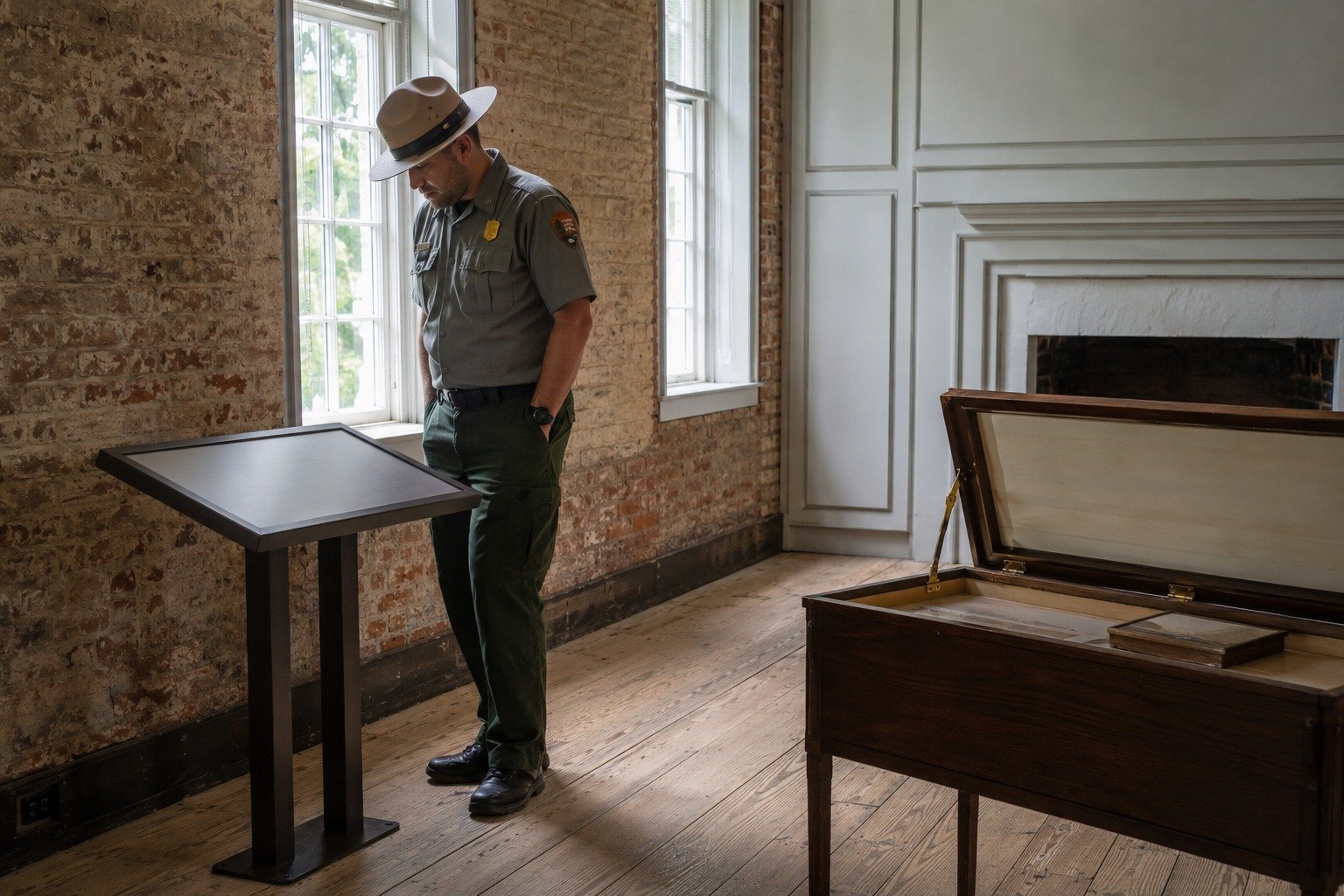
A federal judge has ordered the Trump administration to put back dozens of national park signs and exhibits it altered or removed – including ones dealing with slavery and climate change – and to do it within 21 days. The deadline lands just before the July 4 celebration of the nation’s 250th anniversary.
The order came down on June 13, 2026, when U.S. District Judge Angel Kelley in Boston issued a preliminary injunction against the Interior Department and the National Park Service. It is not a final ruling. But it forces the agencies to restore the contested materials while the underlying case continues – and to do so on one of the tightest, most symbolically loaded timelines a court could choose.
How the Signs Came Down
The removals trace back to a March 2025 executive order titled “Restoring Truth and Sanity to American History.” Framed by the administration as a correction to what it called politicized or one-sided storytelling at federal sites, the order set in motion a review of interpretive content across the park system.
According to the court filings at the center of the case, at least 45 signs were altered or taken down as a result. The changes were not always announced or publicized – which is part of what drew legal scrutiny. Critics argued that exhibits documenting hard parts of American history were quietly disappearing from the walls without public notice or debate.
One example stands out. The exhibit on enslaved people at George Washington’s Philadelphia home – the President’s House site, which tells the story of the men and women who were enslaved by the first president while he lived there – was dismantled on January 22, 2026. The display had been one of the more prominent public acknowledgments at a founding-era site that the people who lived and labored there were not free.
What the Judge Actually Ordered
It is worth being precise about the ruling, because the distinction matters. Judge Kelley issued a preliminary injunction – a temporary order issued early in a lawsuit – not a final judgment on the merits. The case is not over, and the legal questions it raises have not been finally decided.
To grant that kind of order, a judge generally has to find that the people bringing the suit are likely to succeed and that real harm would occur without intervention. Kelley found enough merit to require the signs and exhibits back up now, rather than waiting months or years for the case to wind through the courts. The 21-day clock means the restored materials are meant to be in place before the July 4 festivities marking 250 years since the Declaration of Independence.
The Fight Underneath
At its core, this is a dispute about who gets to decide what a national park tells you. Supporters of the 2025 executive order describe the removals as a correction – an effort to present what they see as a more balanced or less critical account of the country’s past. Opponents describe it as erasure dressed up as patriotism, arguing that stripping out slavery and climate content does not balance history so much as hide parts of it.
That tension is sharpened by the calendar. The 250th anniversary is being marketed as a national celebration, and what visitors see at historic sites during that moment carries weight. Whether the parks present the full story – including its uncomfortable chapters – or a curated version became, in this case, a question for a courtroom.
What This Means for Americans
For the millions of people who visit national parks and historic sites every year, the ruling means the slavery and climate exhibits at issue are – at least for now – supposed to be back on the wall. More broadly, it is a reminder that decisions about public history are not just academic. They shape what a child sees on a field trip, what a family reads on a plaque, and what gets remembered or quietly left out. And it underscores that those decisions can be challenged – and reviewed by a court – rather than made behind closed doors.
What happens next depends on how the full case is resolved. The injunction restores the materials, but the final outcome is still ahead.
Stay informed on the stories that matter most. Follow Your Daily Updates on Facebook and bookmark yourdailyupdates.news for breaking news and analysis.