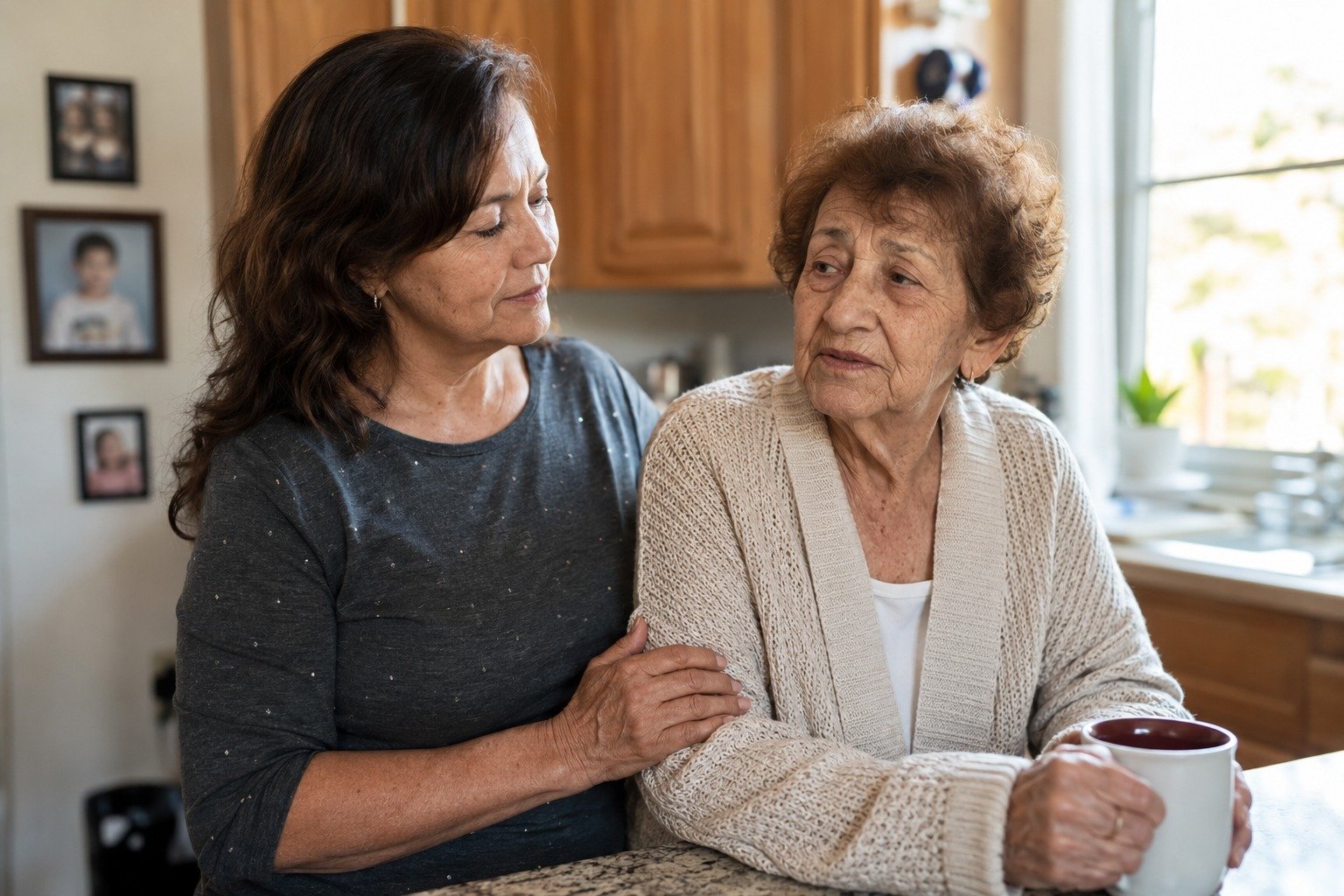
Ohio families who care for their own disabled and elderly loved ones can breathe a little easier. State lawmakers have removed a provision from House Bill 795 that would have banned Medicaid from paying family members who serve as caregivers — a reversal that came only after disabled Ohioans and their families packed a Statehouse hearing to fight it.
The provision was never a standalone proposal. It was tucked inside a broader anti-fraud bill, where it might easily have slipped through with far less notice. Instead, it became the flashpoint of the entire debate — and now it is gone.
What Was Actually on the Table
House Bill 795 is an anti-fraud measure aimed at tightening oversight of Ohio’s Medicaid program. Among its provisions was language that would have prohibited Medicaid from compensating family members who act as paid caregivers for relatives who qualify for in-home care.
For many families, that payment is not a perk. It is the financial foundation that makes home care possible at all. Parents, adult children, and spouses across Ohio leave or scale back paid jobs to care full-time for a disabled or aging loved one. The Medicaid payment is often what keeps that arrangement from collapsing — and what keeps that loved one out of a far more expensive institutional setting.
Strip the payment away, and the choice many families face becomes brutal: quit a job to provide unpaid care, or hand a loved one over to a nursing home or care facility. Critics argued the cut would have punished some of the lowest-paid, hardest-working caregivers in the state for doing exactly what the system claims to want — keeping people at home.
The Reversal — and Who Drove It
The turnaround was announced by Rep. Josh Williams, the bill’s sponsor, at the very start of Monday’s Medicaid Committee hearing. Williams said the provision was being removed, pointing directly to the testimony of disabled Ohioans and family caregivers who had shown up to tell lawmakers, in plain terms, what the cut would mean for their daily lives.
That detail matters. This was not a quiet edit made behind closed doors. It was a public reversal that followed public testimony — a reminder that showing up and speaking out can still move a bill. The people most affected by the proposal were the ones who stopped it.
What Remains in the Bill
The rest of House Bill 795 is still advancing. It would stiffen penalties for Medicaid fraud and expand the use of electronic visit verification — a system that electronically logs when and where care is provided.
Supporters frame those measures as accountability: making sure public dollars go to legitimate care and rooting out abuse of the program. But some of the same caregivers who just fought off the payment ban have raised concerns about the surveillance component. They warn that expanded visit verification could pile new administrative and technical burdens onto families already stretched thin — people who are providing care, not committing fraud. How that piece is implemented will determine whether it catches bad actors or simply makes life harder for the caregivers it is supposed to oversee.
What This Means for Ohio Families
For the families directly in the crosshairs of this provision, the immediate stakes were enormous — and for now, the threat is off the table. The payment that keeps a disabled child, an aging parent, or a sick spouse cared for at home stays intact. That is a real win for working families and for the workers who do some of the most demanding and undervalued labor there is.
But the episode is also a warning. The provision came close to becoming law tucked inside a larger bill, and it took organized, vocal pushback to stop it. The broader fight over how Ohio funds and oversees home-based care is far from settled — and the families who depend on it will need to keep watching what their lawmakers do next.
Stay informed on the stories that matter most. Follow Your Daily Updates on Facebook and bookmark yourdailyupdates.news for breaking news and analysis.