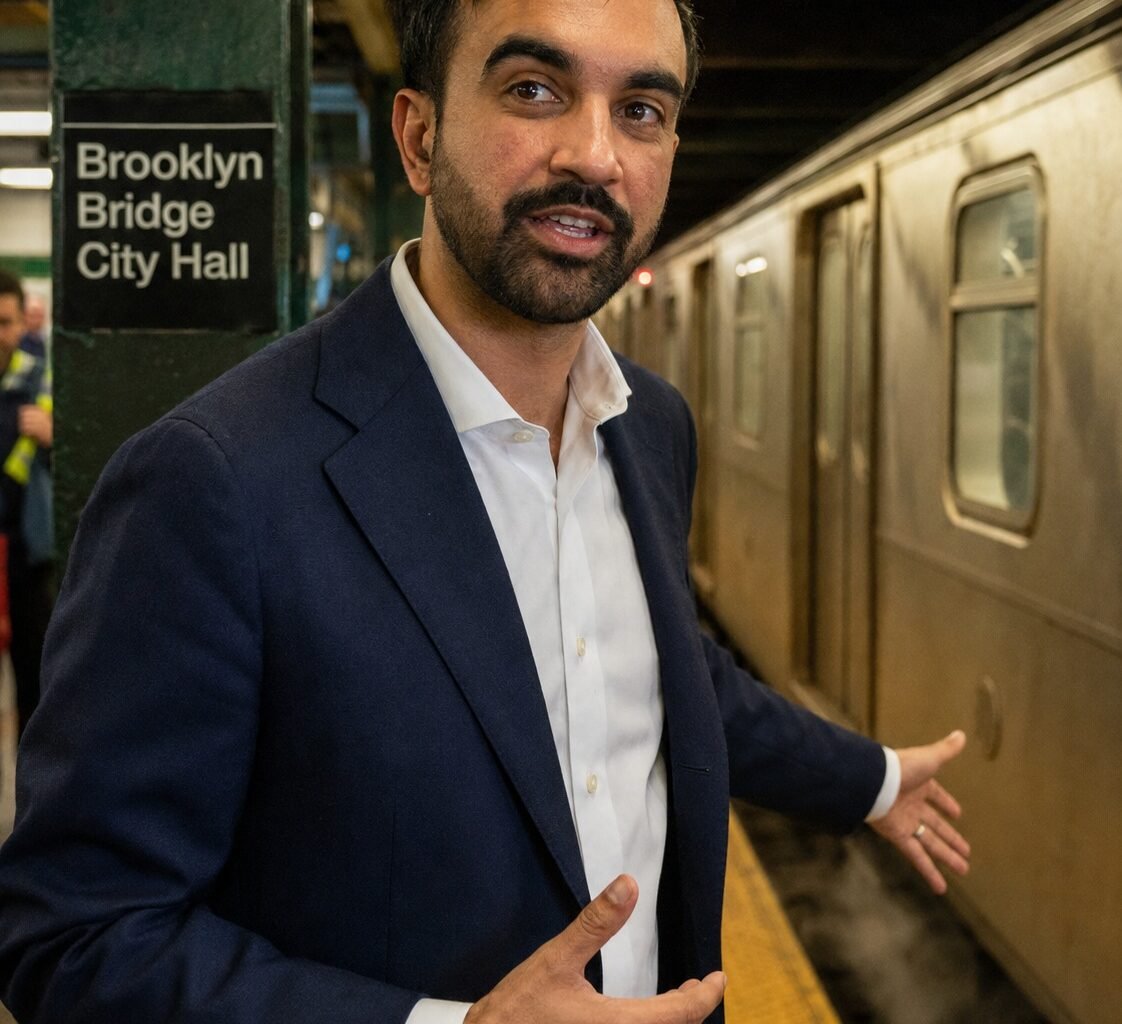
New York City wants to take one of the subway system’s most miserable features – the wall of heat that hits you on a summer platform – and turn it into winter warmth for the buildings above. On August 10, Mayor Zohran Mamdani, Governor Kathy Hochul, and the MTA jointly announced a plan to study capturing that waste heat and recycling it to warm nearby municipal buildings during the cold months.
The Idea Behind the Plan
For anyone who rides the trains, the problem is obvious. Subway platforms trap heat from trains, riders, and equipment, and at the peak of summer they can become genuinely dangerous. The Brooklyn Bridge-City Hall station on the 4/5/6 line hit a staggering 96 degrees during the summer of 2025. The new proposal reframes that trapped heat not as a nuisance to be vented away, but as a resource worth harvesting.
How a Thermal Energy Network Would Work
The mechanism at the center of the plan is called a Thermal Energy Network, or TEN. Radiant cooling panels would pull excess heat off the platforms, making them more comfortable for riders. That captured heat would then be banked underground in geothermal boreholes drilled beneath an abandoned center platform. When temperatures drop in winter, the stored heat would be redirected into the surrounding buildings.
The efficiency numbers are part of the appeal. Radiant cooling is estimated to run 25 to 35 percent more efficient than traditional air conditioning. That means a single system could cool platforms in summer and provide cheaper, lower-carbon heat in winter – a two-way loop instead of a one-way waste stream. Two Lower Manhattan stations are in the initial scope: Brooklyn Bridge-City Hall on the 4/5/6 and Chambers Street on the J/Z.
A Study, Not a Shovel in the Ground
It is important to be clear about where this actually stands. Despite framing that can make it sound like construction is imminent, nothing is being built yet. What the city and state announced is a feasibility study – a formal look at whether the geothermal approach will even work at these sites. A study contract is expected in the fall of 2026, and design work would only begin in early 2027 if engineers confirm the concept is viable.
The effort is tied to the broader renewal of the Chambers Street station, which is being funded in part by congestion-pricing revenue. If it clears every hurdle, officials say it could become the first transit thermal energy network in the United States – a genuine first for American mass transit.
Why It Matters
For straphangers, the near-term promise is simple: platforms that do not feel like an oven. For the city, the longer-term prize is a cheaper, cleaner way to heat public buildings using energy that is currently thrown away. And for the rest of the country, New York would be running the experiment first – meaning other transit systems battling the same brutal platform heat could copy what works and skip what does not.
But the caveat matters just as much. This is a plan and a study, not a finished project, and its future depends entirely on whether the feasibility work confirms the geothermal approach holds up. Bold public-infrastructure ideas have a way of stalling in the study phase. Whether this one becomes a national model or a quiet footnote will come down to what the engineers find.
Stay informed on the stories that matter most. Follow Your Daily Updates on Facebook and bookmark yourdailyupdates.news for breaking news and analysis.