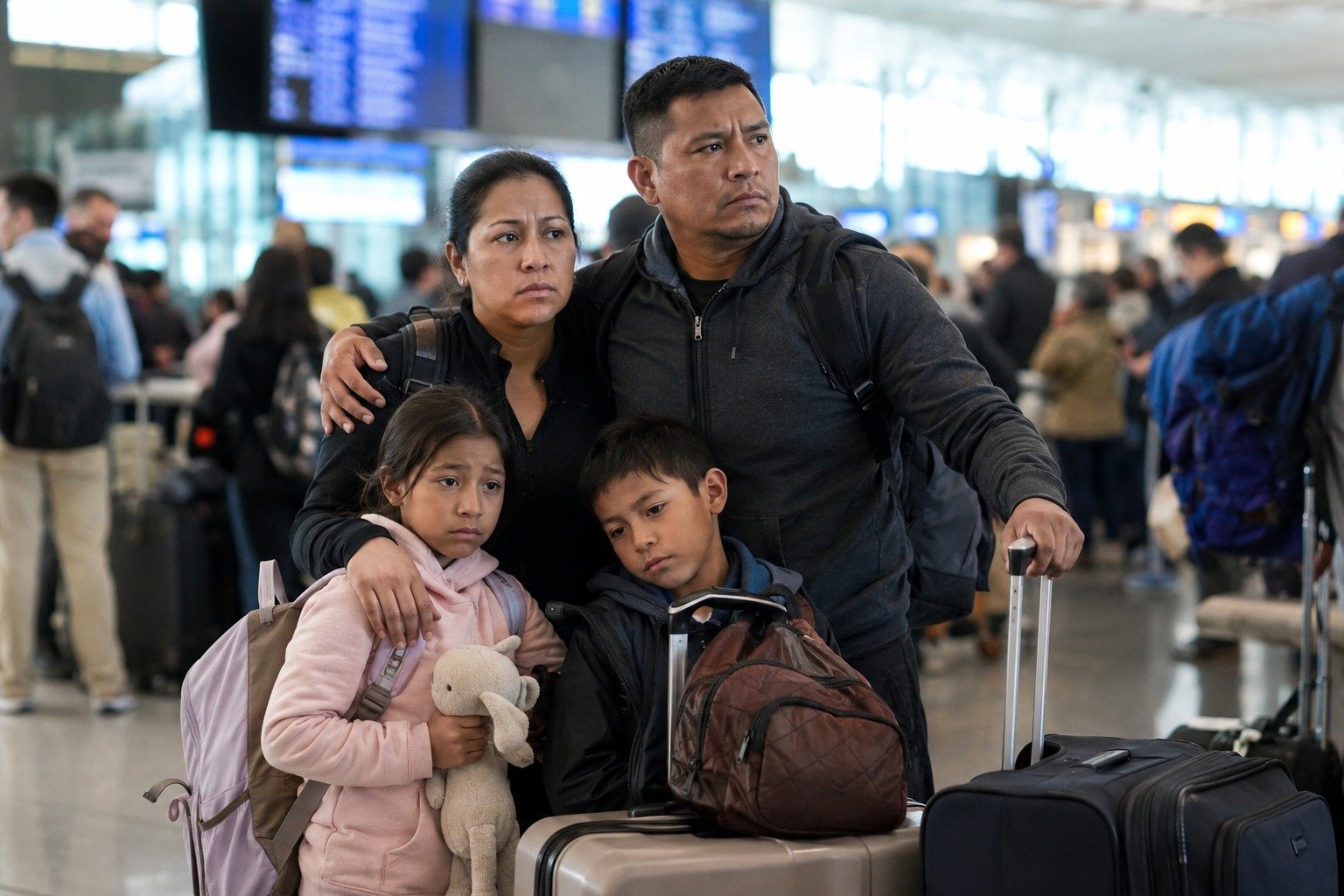
A single policy memo from U.S. Citizenship and Immigration Services could reshape the lives of hundreds of thousands of immigrants who are already living, working, and raising families inside the United States. On May 21, 2026, USCIS reframed “adjustment of status” — the process that lets many people obtain a green card without leaving the country — as a discretionary “extraordinary relief” that officers should grant only in limited circumstances.
The practical effect is enormous. Instead of finishing their cases from within the U.S., many green-card applicants are now being steered toward “consular processing” — meaning they must return to their home country and complete the final steps at a U.S. consulate abroad. For families who have built their entire lives here, that can mean leaving everything behind and waiting for a year or more.
What Actually Changed
For decades, adjustment of status has been one of the most common paths to a green card for people already inside the country. An eligible applicant could file the paperwork, attend an interview, and — if approved — receive lawful permanent residence without ever leaving U.S. soil. It was designed to keep families together and avoid forcing people into long, uncertain waits overseas.
The new USCIS guidance recasts that process. Rather than treating adjustment of status as a routine option, the agency now describes it as an extraordinary form of relief granted as a matter of administrative discretion. Officers are instructed to weigh the “totality of the circumstances” and decide whether approving an application is in the best interest of the United States — a standard that gives adjudicators far more room to say no.
The Human Cost of Leaving
Consular processing is not a quick formality. Backlogs at U.S. consulates can stretch well past a year, and applicants who leave the country have no guarantee they will be allowed to return on any predictable timeline. A missed detail, an administrative delay, or a triggered inadmissibility bar can turn a temporary trip into an indefinite separation.
That risk falls hardest on people who have followed the rules. Workers could lose jobs they have held for years. Children could be pulled out of school. Spouses could be separated for months on end. For many, the “safest” path forward under the new policy may still carry the very real danger of not being let back in.
A Change Made Without a Vote
Perhaps the most striking part is how the shift happened. It did not come from Congress. It was not a new law debated on the floor and signed after public scrutiny. It came from an internal policy memorandum issued under the Trump administration that took effect immediately, rewriting how a core piece of the immigration system operates without a single legislative vote.
Supporters of the change argue it simply restores older legal standards and reinforces that permanent residence is a privilege granted at the government’s discretion. Critics counter that it weaponizes paperwork — using bureaucratic reclassification to push longtime residents out of the country without the accountability of an open legislative process.
What This Means for Americans
Immigration attorneys are already warning clients to think carefully before traveling, because a routine trip abroad could now become a year-long ordeal. The uncertainty ripples outward: employers who depend on these workers, communities built around immigrant families, and the broader economy that relies on their labor all feel the effects of a policy that can uproot people with the stroke of a pen.
Stay informed on the stories that matter most. Follow Your Daily Updates on Facebook and bookmark yourdailyupdates.news for breaking news and analysis.