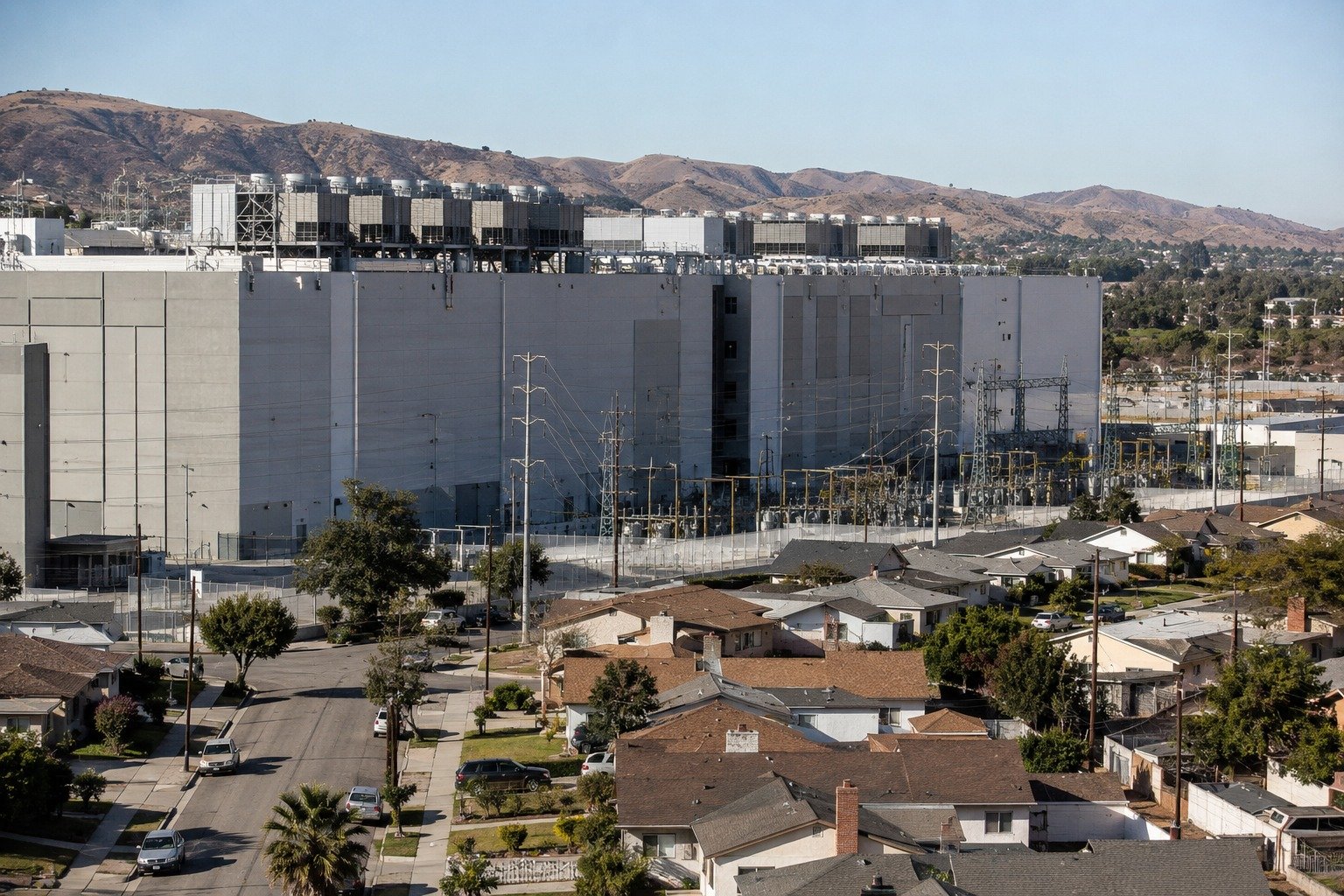
Voters in Monterey Park, California have done something no American community has ever done at the ballot box: they permanently banned new data centers from their city. The measure passed by an overwhelming margin, with roughly 86 percent voting yes and only 14 percent opposed, making Monterey Park the first U.S. city to lock in a data center ban through a direct vote of the people.
The result is not just lopsided. It is structurally durable in a way most local decisions never are. Because residents approved the ban as a ballot initiative rather than a city council ordinance, it cannot be quietly undone by a future council vote. The only way to reverse it is another ballot measure put before the voters themselves.
How a Local Fight Became a National First
The push began over a single proposed project: a data center slated for a vacant office complex in the city. For residents, it crystallized a fear that has been spreading through communities across the country. These facilities are enormous, largely windowless, and run around the clock. They draw heavily on the electrical grid and consume large volumes of water for cooling.
Rather than trust that a developer’s promises would protect their neighborhoods, Monterey Park residents organized to put the question directly to a vote. The campaign argued that the city’s air quality, drinking water, and household utility costs should not be handed over to a single power-hungry industry. When the ballots were counted, the answer was not close.
Why the Ballot-Box Strategy Matters
Data center development has accelerated dramatically as technology companies race to build the infrastructure behind cloud computing and artificial intelligence. In many places, those projects move forward with limited public input, negotiated between developers and local officials before residents fully understand the impact on their power bills, water supply, and surrounding land.
Monterey Park flipped that dynamic. Instead of leaving the decision to officials who could later be lobbied or replaced, voters wrote the outcome into the city’s own rules. A council can change its mind. A ballot measure approved by 86 percent of the electorate is far harder to walk back. That is what makes this vote a potential blueprint rather than a one-off.
Reactions and What Comes Next
Supporters are calling it a landmark win for local control and a clear warning to an industry accustomed to getting its way. Critics of such bans typically argue that data centers bring tax revenue and investment, and that blanket prohibitions can push development and its benefits elsewhere. In Monterey Park, the voters weighed those arguments and decided the tradeoff was not worth it.
The bigger question is what happens beyond the city limits. Communities across the San Gabriel Valley and well beyond California have been wrestling with similar proposals, and many have leaned on temporary moratoriums that buy time but expire. Monterey Park has now shown there is a more permanent path, and other towns are watching to see whether they can follow it.
What This Means for Americans
For ordinary households, the stakes are concrete. Data centers can strain the same power grid families rely on, and heavy water use during a drought-prone era is no small concern. When utility demand spikes, the costs often land on residents through higher electricity and water rates. Monterey Park’s vote is a reminder that communities still have tools to decide what gets built next door, and that those decisions do not have to be left solely to developers and the officials they lobby.
Stay informed on the stories that matter most. Follow Your Daily Updates on Facebook and bookmark yourdailyupdates.news for breaking news and analysis.