Minnesota has become the first state in the country to ban so-called “nudification” apps – the AI tools that take an ordinary photo of a real person and generate a fake explicit image of them without consent. The state Senate approved the measure by a unanimous 65-0 vote, sending a bill that pairs civil liability with criminal penalties toward becoming law.
The legislation, known as House File 1606, takes direct aim at a technology that has spread rapidly over the past several years. Reporting from The 19th and MinnPost describes the law as the first attempt in the nation to outright ban the websites and apps that promote digital “undressing,” where photographs of fully clothed people are uploaded and manipulated to appear nude.
Why This Matters
Nudification apps have become one of the main sources of nonconsensual deepfakes. The tools are cheap, fast, and widely advertised, and the images they produce can be nearly impossible to distinguish from real photographs. Victims often have little recourse: by the time a fake image surfaces, it may have already been shared widely, and tracking down the person who created it can be difficult or impossible.
The harm has fallen heavily on women and, increasingly, on minors. Advocates pushing for the Minnesota bill pointed to a sharp rise in young people reporting this kind of digital abuse, and they framed the legislation less as a partisan fight than as a basic question of consumer protection and child safety.
What the Law Does
The bill attacks the problem from several directions at once. It allows survivors to sue the owners of nudification apps for damages, giving victims a direct path to the courts. It empowers the state attorney general to collect fines of up to $500,000 per violation. And it adds criminal provisions for those who use the tools to create fake explicit images of real people.
The reach extends beyond the act of creating an image. Under the measure, advertising any of these programs would also be banned – cutting off one of the main ways the apps find new users. Taken together, the civil, criminal, and advertising provisions are designed to make the entire business model legally radioactive within the state.
Broad, Bipartisan Support
The 65-0 Senate vote is striking in an era of deep political division. The bill cleared the chamber without a single no vote, after also passing the state House. RAINN, the national nonprofit that operates the country’s largest s*xual assault hotline, was one of the driving forces behind the effort, citing a steady increase over the past five years in calls related to tech-facilitated abuse.
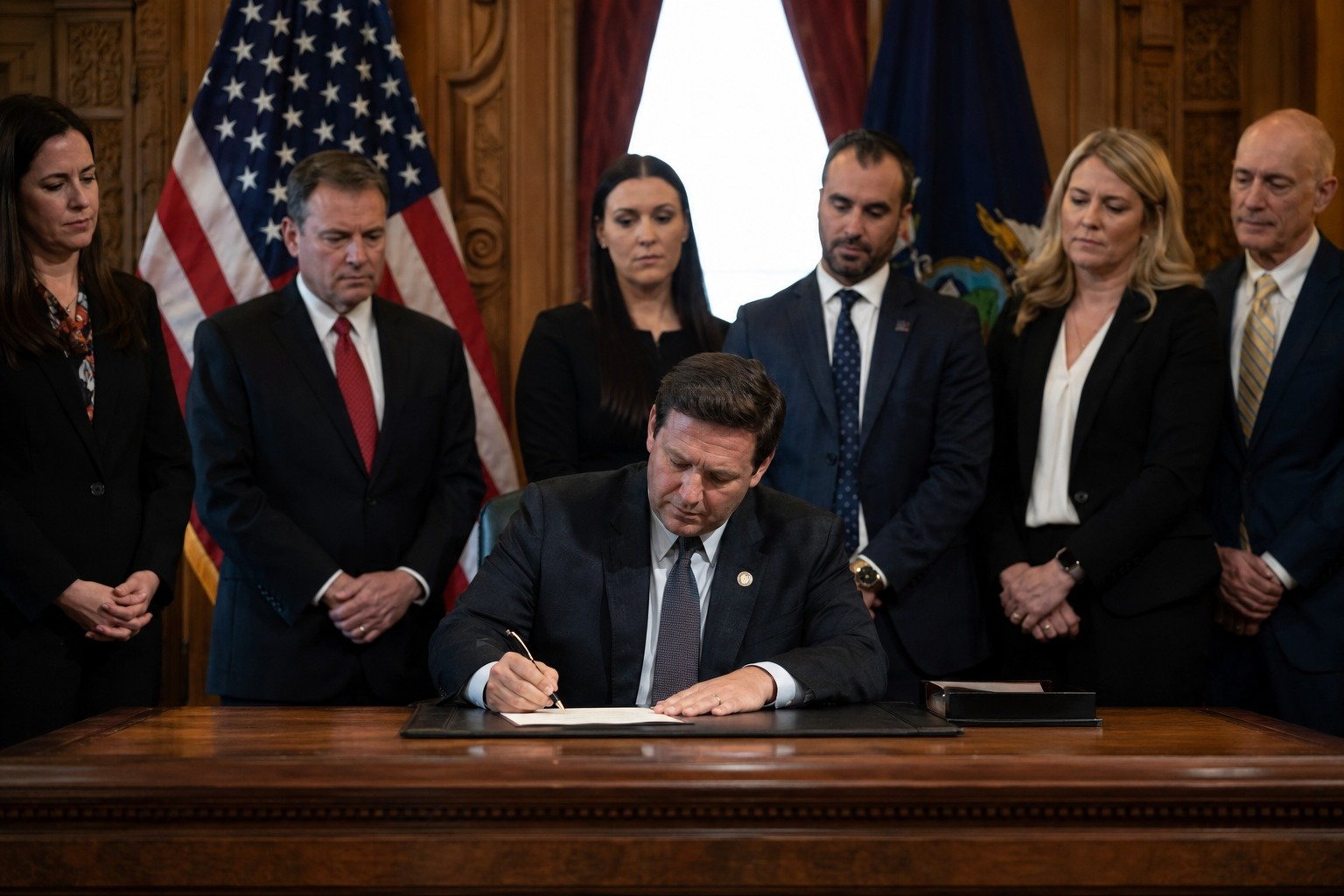
Supporters have described the Minnesota law as a model that other states could follow. Because the measure was framed around protecting people – especially children – rather than around any particular political agenda, it drew backing across the aisle. Advocates have expressed optimism that the governor will sign the legislation into law.
What This Means for Americans
For most people, the rise of nudification tools has felt like a threat with no clear defense. Minnesota’s law is one of the first concrete answers: it gives victims a way to fight back in court, puts real financial penalties on the companies behind the tools, and signals to other states that this kind of abuse can be legislated against. If the approach holds up and spreads, it could reshape how the entire country handles AI-generated explicit imagery.
The open question now is whether the rest of the country follows Minnesota’s lead – and how quickly.
Stay informed on the stories that matter most. Follow Your Daily Updates on Facebook and bookmark yourdailyupdates.news for breaking news and analysis.