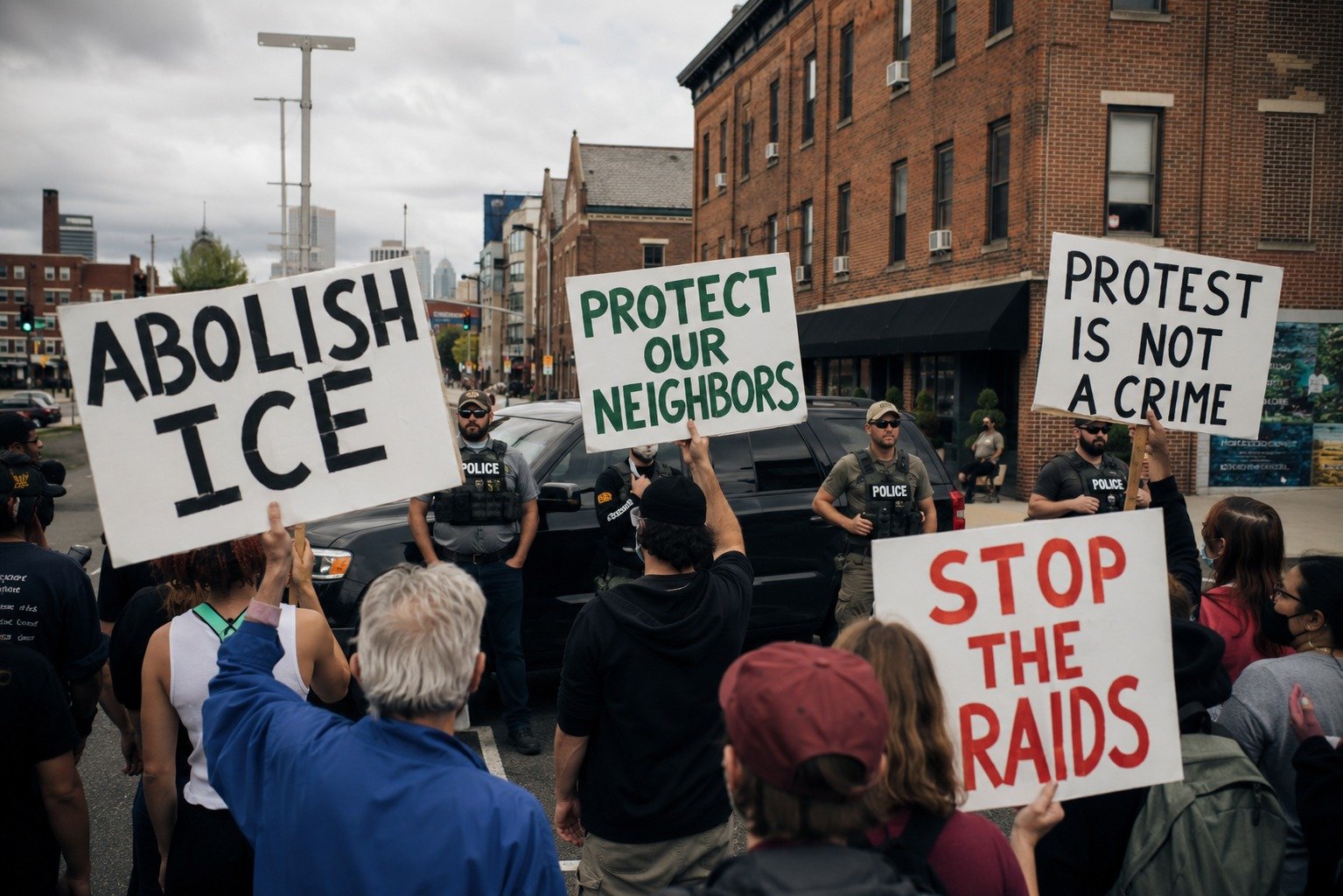
Federal prosecutors in Minnesota have brought charges against 15 people tied to anti-ICE protests in Minneapolis earlier this year, and the manner in which the cases were announced is drawing sharp concern from civil-liberties advocates who say it blurs the line between prosecuting crime and criminalizing dissent.
The U.S. Attorney’s Office for the District of Minnesota announced the charges on June 16, 2026. According to the office, the cases stem from two demonstrations earlier in the year — one on January 23 and another on March 1 — that drew crowds opposed to immigration enforcement actions in the Twin Cities.
Dawn raids and a coordinated takedown
On the morning the charges were unsealed, Homeland Security Investigations agents fanned out across the metro area and arrested 12 of the 15 defendants. The remaining three were not in custody and were still being sought, according to prosecutors. The early-morning, multi-location operation underscored how the government has chosen to treat the matter: not as a handful of isolated arrests at a protest, but as the dismantling of what it describes as an organized effort.
The charges themselves range widely in severity. Some defendants face counts of conspiracy to impede a federal officer. Others are charged with assaulting a federal officer or with destruction of government property. Prosecutors have alleged that the defendants are tied to a group the Department of Justice is calling “Direct Action Minnesota,” framing the demonstrations as part of a coordinated operation rather than a spontaneous gathering.
Where critics say the framing goes too far
It is precisely that framing — the language of “conspiracy” and coordination — that has alarmed defense lawyers, protesters, and civil-liberties groups. They argue that the act of showing up to oppose ICE is constitutionally protected speech, and that recasting a protest as a “violent conspiracy” risks turning ordinary political participation into a federal case.
The worry voiced most often is the chilling effect. If standing in the street to object to deportation raids can land a person in front of a federal judge, critics ask, how many people will think twice before ever speaking up again? The concern is not that genuine crimes should go unaddressed, but that broad conspiracy charges sweep up protected protest along with any unlawful conduct, and that the threat of federal prosecution becomes its own deterrent to public dissent.
Supporters of the prosecution counter that assaulting an officer and destroying government property are not protected activities under any reading of the First Amendment, and that the charges target conduct, not viewpoints. That distinction — between punishing what people did and punishing why they were there — is likely to sit at the center of the legal fight ahead.
What happens next
The charges are real and serious, and they will now move through the federal court system, where prosecutors will have to prove each count beyond a reasonable doubt. Defendants are presumed innocent unless and until convicted, and the “conspiracy” label that the government has attached to the case will be tested against the evidence rather than the headlines.
For Minneapolis, a city that has been a flashpoint in national debates over policing and protest, the cases land on familiar and tender ground. The bigger question hanging over the courthouse is the one that does not fit neatly into any single indictment: where does accountability for actual crimes end, and where does the criminalization of dissent begin? How those cases are resolved may say as much about the boundaries of protest in America as it does about the 15 people now facing charges.