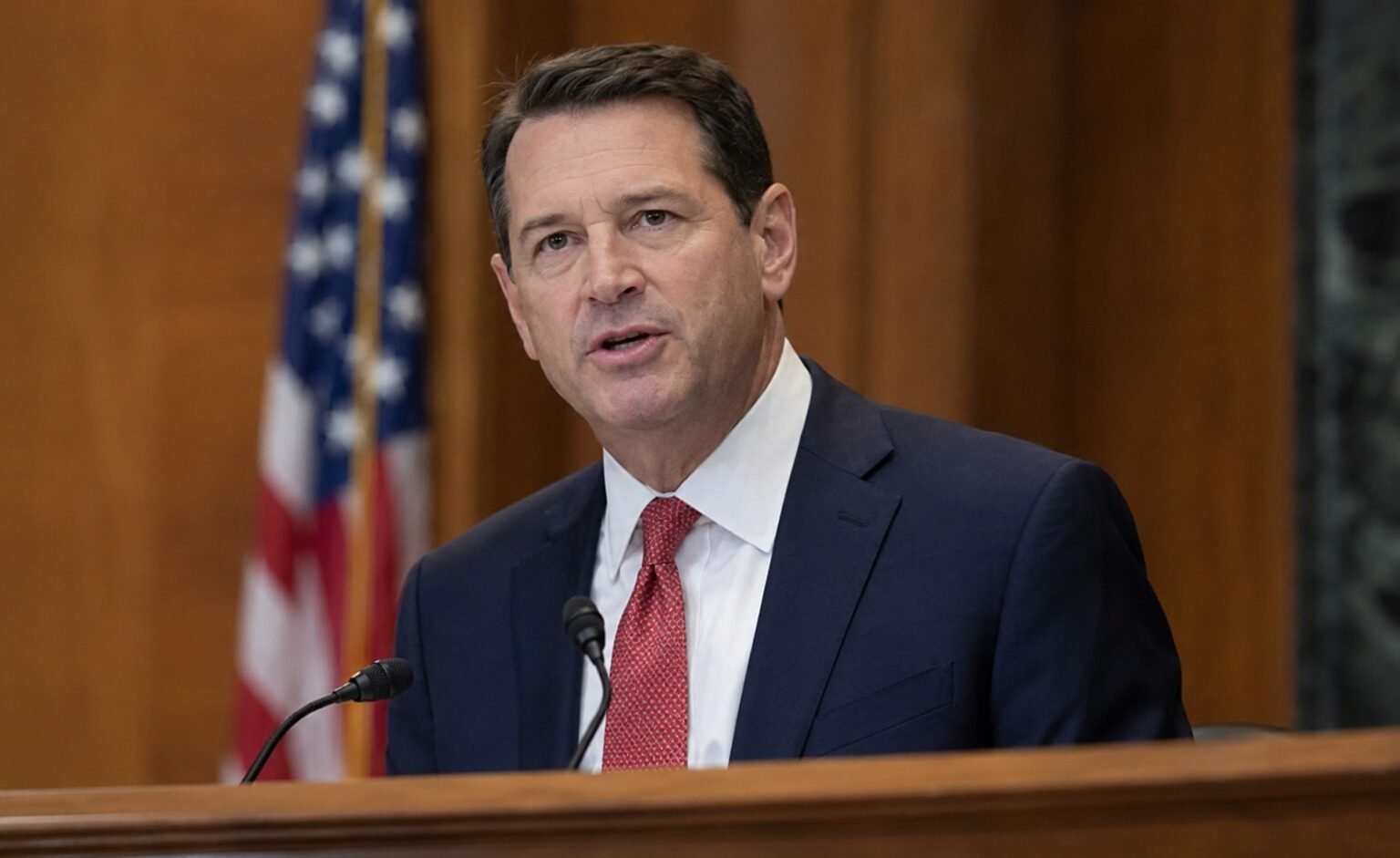
Sen. Mike Lee (R-UT) has introduced legislation that would let Americans carry legally purchased firearms in public anywhere in the country without a permit, training requirement, or background screening at the point of carry. The bill, called the National Constitutional Carry Act, was filed on March 5, 2026, with a companion measure introduced in the House by Rep. Thomas Massie (R-KY).
The proposal is among the most sweeping gun-rights bills to reach the Senate floor in years. It would establish what supporters call nationwide “permitless” or “constitutional” carry, allowing any person legally eligible to possess a firearm under federal and state law to carry it in public without first obtaining a concealed-carry permit. It would also preempt state and local laws that restrict carrying and remove certain state-level fees and criminal penalties tied to carrying in public.
An introduced bill, not law
It is important to be clear about where this legislation actually stands. The National Constitutional Carry Act is an introduced bill, not an enacted law. For it to become law, it would need to clear the Senate, where most major legislation requires 60 votes to overcome a filibuster. The bill does not currently have anywhere near that level of support, and there is no indication it will reach the threshold in the current Congress.
In other words, nothing about how firearms are carried in any state changes the day this bill is introduced. Its immediate significance is political: it signals where a bloc of lawmakers and influential gun-rights groups want federal policy to go, and it sets up a national debate over whether permitting, training, and local oversight should remain in place.
What the bill would change
Currently, 29 states already allow some form of permitless carry, meaning residents there can carry a handgun in public without first applying for a permit. The remaining states maintain permit systems that typically require some combination of an application, a fee, a background check, and in many cases a safety or training course before a person may carry in public.
Lee’s bill would extend permitless carry to all 50 states, overriding the permit and training requirements that the other states have chosen to put in place. That federal preemption of state-level gun rules is at the heart of the controversy. The legislation has been endorsed by Gun Owners of America and the National Association for Gun Rights, both of which have framed it as a restoration of a constitutional right.
“The Founders established a national right to keep and bear arms, not to ask for permission from hostile local officials, or risk imprisonment for crossing the wrong state line,” Lee said in announcing the measure. He argued that because many states already allow permitless carry, the bill simply reaffirms that right nationwide.
The safety debate
Gun-safety advocates see it very differently. They warn that the bill strips away the basic checks – permits, training requirements, and local oversight – that many communities rely on to keep public spaces safe. Those systems, they argue, give law enforcement a tool to keep firearms out of the hands of people who should not have them and ensure that those carrying in public have at least met a minimum training standard.
Critics also point to the federalism question from the opposite direction: states have historically set their own rules on carrying firearms in public, and a federal mandate would force a single standard on states that deliberately chose stricter ones. For communities that have built permitting and training systems through their own legislatures, the bill would wipe those decisions away.
What happens next
For now, the National Constitutional Carry Act remains a proposal rather than a change in the law. Its path forward in the Senate is steep, and the 60-vote requirement makes passage unlikely in the near term. But its introduction guarantees that the question it raises – whether Americans should be able to carry firearms in public anywhere in the country with no permit, training, or screening – will be part of the national conversation heading into the next election cycle.
The core question for voters is straightforward: should carrying a firearm in public require a permit and training, or should it be allowed everywhere without one? It is a debate that touches public safety, constitutional rights, and the balance of power between federal and state governments – and one that is now squarely on the table.