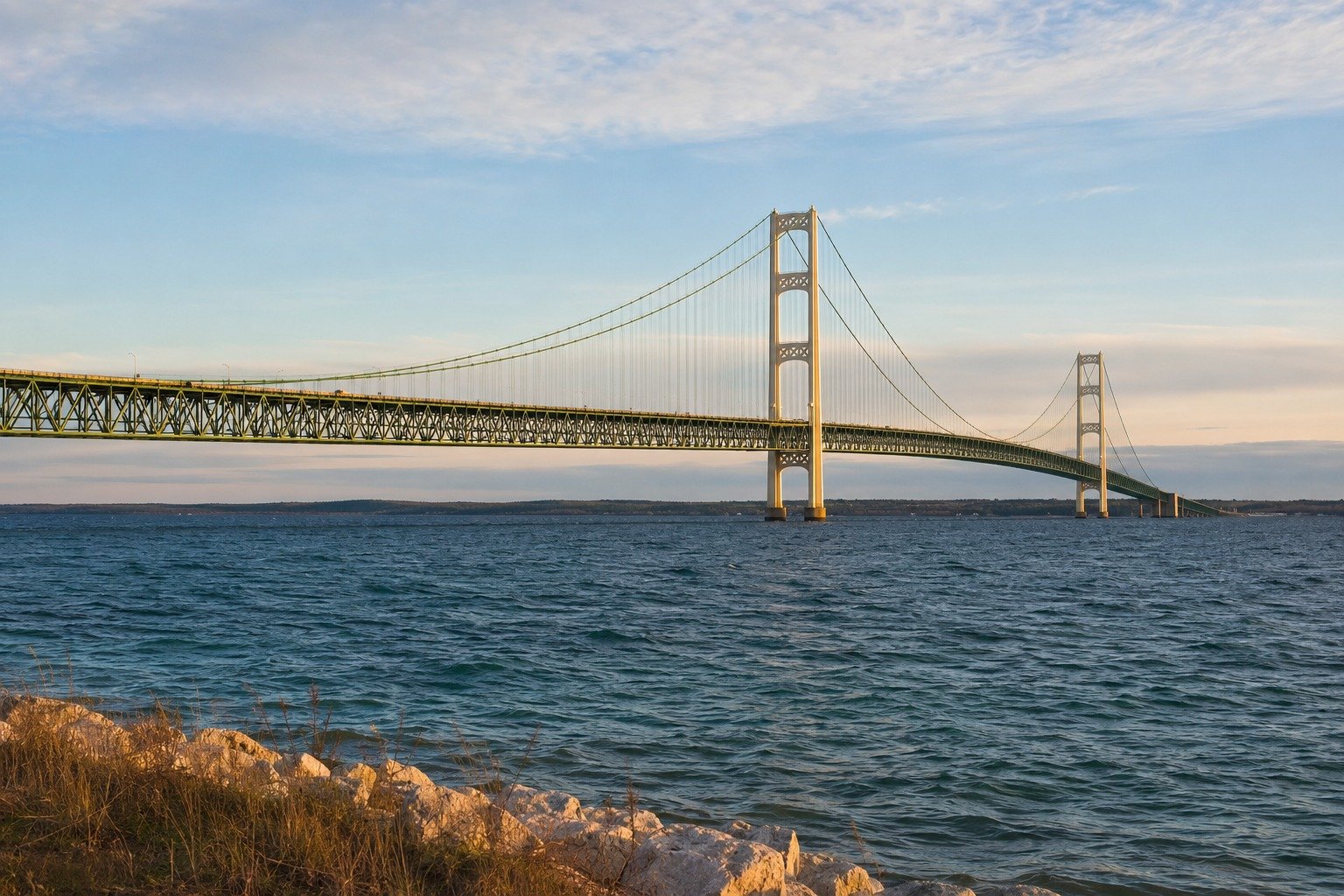
Michigan’s Supreme Court has vacated the state permit for Enbridge’s controversial Line 5 oil tunnel beneath the Straits of Mackinac, ruling 6-1 on Friday that regulators failed to fully weigh the environmental risks before approving it. The decision sends the project back to the Michigan Public Service Commission for a far more thorough review, handing a major procedural victory to the tribes and environmental groups who have fought the pipeline for years.
A Narrow Analysis, Sent Back for a Second Look
Writing for the majority, Justice Elizabeth Welch found that the Public Service Commission – which approved the tunnel permit in December 2023 – leaned on an analysis that was simply too narrow and did not fully assess the potential environmental harms. The court did not kill the project. Instead, it vacated the permit and remanded the case, meaning the commission must now conduct a broader, more rigorous environmental review before the tunnel can move forward.
Justice Brian Zahra filed the lone dissent. The 6-1 margin underscores how far the majority felt the original review had fallen short of what a project of this scale demands.
What Line 5 Is – and Why It Worries People
Line 5 is a roughly 645-mile pipeline that carries oil and natural gas liquids across the Upper Midwest. Its most contested stretch is a roughly 4-mile segment that currently sits exposed on the lakebed at the Straits of Mackinac, the narrow channel where Lake Michigan meets Lake Huron at the heart of the Great Lakes.
Enbridge, the Canadian energy company that owns the line, wants to reroute that exposed segment into a concrete tunnel drilled beneath the Straits. The company argues the tunnel would make the crossing safer by shielding the pipe from anchor strikes and other hazards. Critics counter that the real risk is the oil itself, and that a rupture in one of the largest freshwater systems on Earth could be catastrophic for drinking water, fisheries, and the shorelines that millions of people depend on.
A Long-Fought Battle
The ruling is the latest turn in a years-long fight over the aging pipeline. Tribal nations, whose treaty-protected fishing rights are tied to the health of the Great Lakes, have been among the most persistent opponents, alongside environmental organizations such as Earthjustice. For them, Friday’s decision was validation.
They celebrated the ruling as proof that regulators cannot rubber-stamp a project of this magnitude without doing the homework. The commission’s original approval, they argued, treated the tunnel as a narrow engineering question rather than the sweeping environmental decision it actually is.
What Happens Next
Importantly, the decision is not the end of the road for Line 5. The Public Service Commission can still approve the tunnel – but only after completing the fuller environmental review the court has now ordered. Enbridge has signaled it intends to keep pushing the project forward, and the company still has other permits and legal battles in play.
For now, though, the burden has shifted. Instead of opponents scrambling to stop an already-approved project, state regulators will have to justify any future green light with a far deeper accounting of the risks.
What This Means for Americans
The Great Lakes hold about a fifth of the world’s surface fresh water and supply drinking water to tens of millions of people across the United States and Canada. Decisions about what runs through and beneath them ripple far beyond Michigan. Friday’s ruling sets a clear expectation that when a project could put that resource at risk, the people in charge of protecting it have to show their work.
Stay informed on the stories that matter most. Follow Your Daily Updates on Facebook and bookmark yourdailyupdates.news for breaking news and analysis.