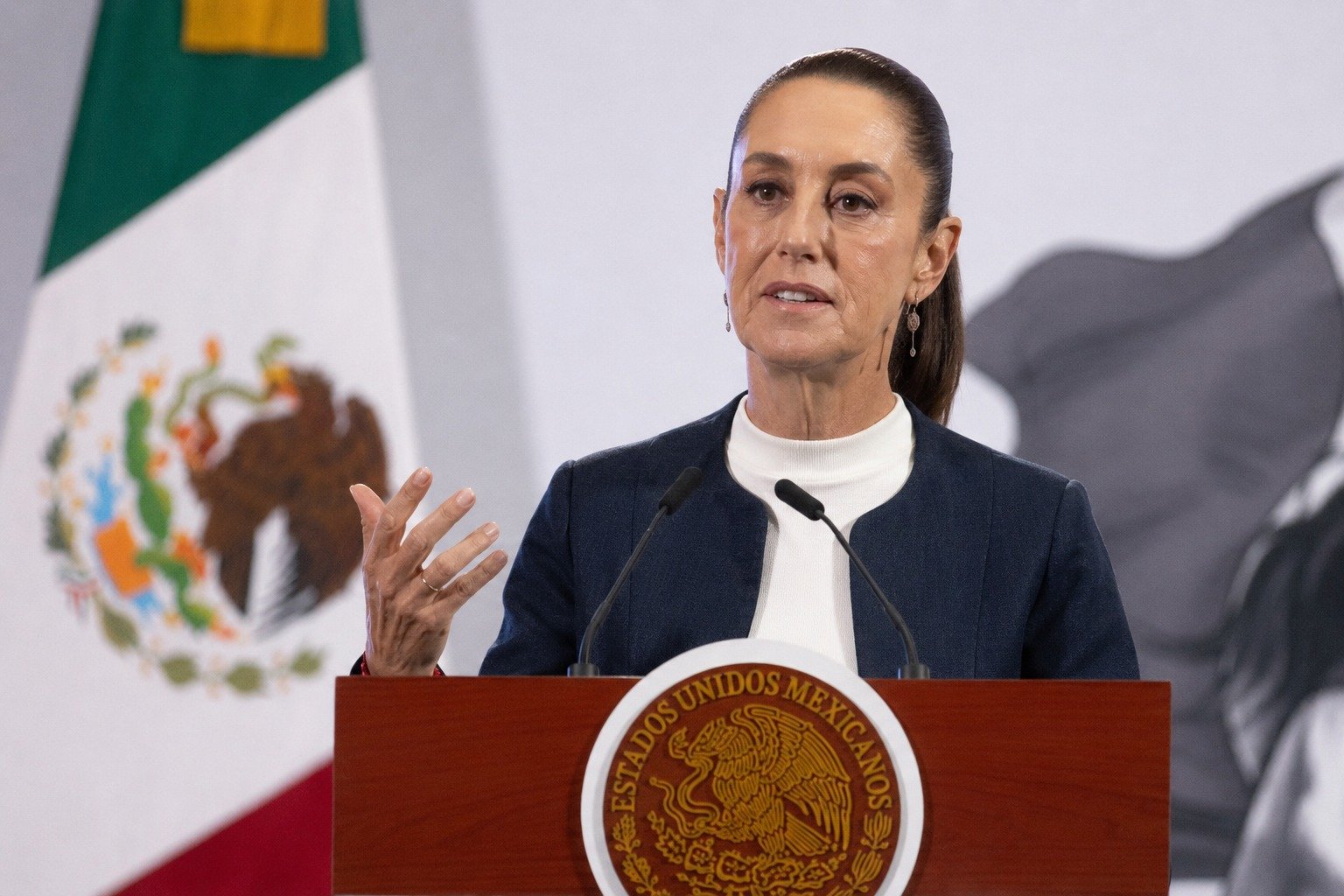
Mexico just made history. President Claudia Sheinbaum signed a presidential decree on April 7, 2026, officially creating the country’s Universal Health Service — guaranteeing free public healthcare to every single Mexican citizen, regardless of employment status, income, or prior insurance coverage.
The new system works by merging Mexico’s three existing public health networks — IMSS, ISSSTE, and IMSS-Bienestar — into one unified national system. Registration is already underway, starting with citizens aged 85 and older and working down through all age groups. Every enrolled Mexican will receive a health ID card linked to an app with their full medical records and appointment history.
Starting in 2027, the system begins full portability — covering universal emergency care, high-risk pregnancies, heart attacks, strokes, breast cancer screenings, universal vaccination, and basic consultations. The goal is a seamless, no-cost experience at any public facility in the country.
The announcement has sparked fierce debate. Supporters call it a historic leap toward human dignity and health equity. Critics point to a serious funding gap — Mexico currently spends just $1,588 per person on healthcare, compared to an OECD average of $5,967. Health spending sits at roughly 2.6% of GDP, far below the WHO’s recommended 6%.
The scale of the ambition is hard to overstate. Combining three massive bureaucracies — each with its own facilities, staff, payroll systems, and patient records — into a single seamless network is an enormous logistical challenge. Health experts have noted that Mexico will need to dramatically expand its physician workforce, upgrade rural infrastructure, and modernize its pharmaceutical supply chain to meet demand.
For comparison, countries like Canada and the United Kingdom spent decades building out their universal systems, with substantial initial investment and ongoing funding adjustments. Mexico is attempting a compressed version of that transition, relying partly on budget reallocation from existing programs and efficiency gains from consolidation.
Whether Mexico can fully deliver on this promise is the central question. One thing is certain: 130 million people are now enrolled in what could become Latin America’s most ambitious healthcare experiment. The world is watching to see whether Sheinbaum’s government can turn a bold decree into a functioning reality — and whether the model could inspire similar moves across the region.