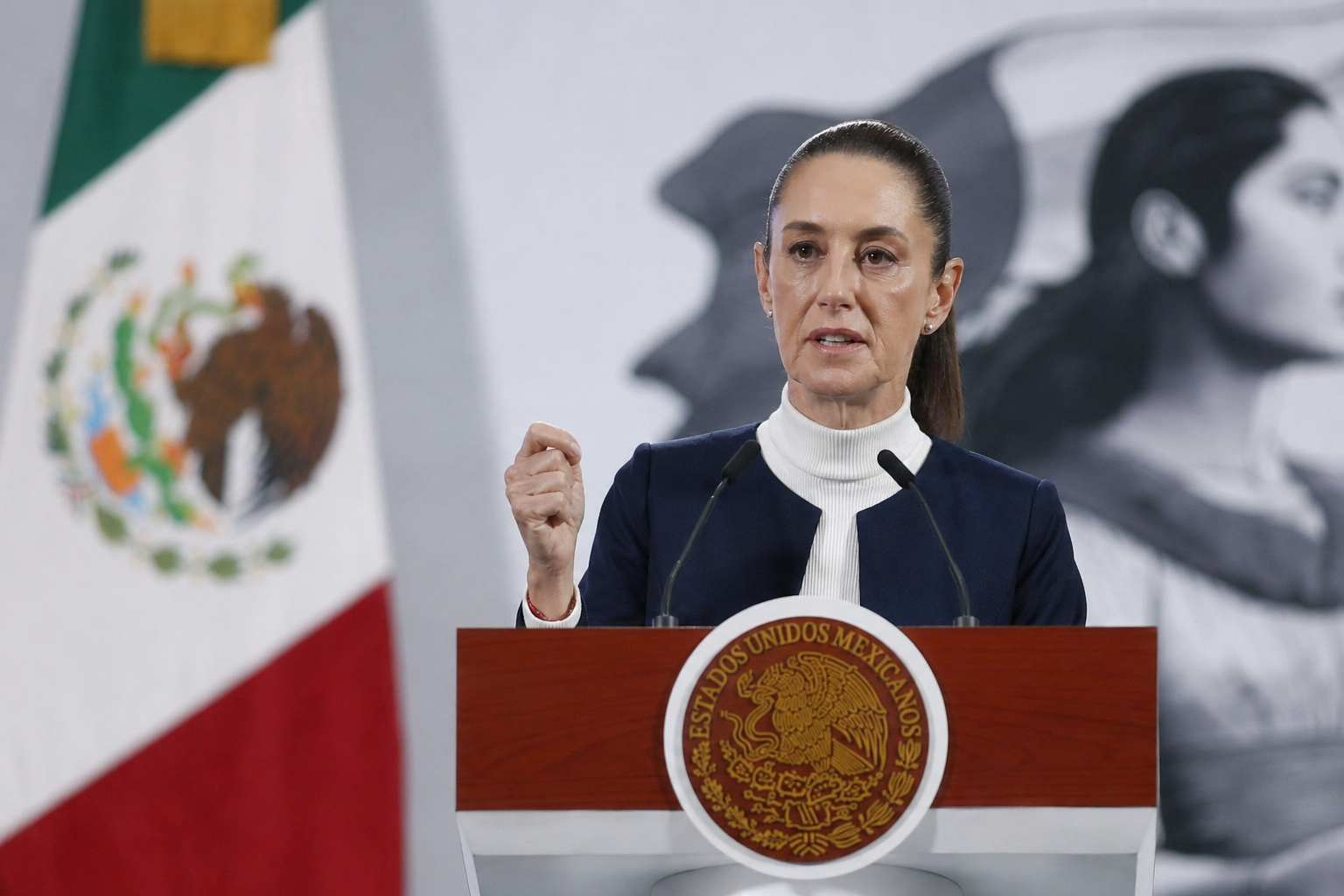
Mexico’s President Claudia Sheinbaum has signed a decree making healthcare free for all 130 million Mexican citizens — no premiums, no co-pays, no eligibility tests tied to employment or income. The move unifies the country’s fragmented public health system into a single Universal Health Service, and the rollout has already begun.
A Decree That Changes Everything
For decades, access to healthcare in Mexico was determined by your employment status. Formal-sector workers received coverage through IMSS, the social security institute. Government employees had their own separate system. Millions of informal workers, small farmers, and the self-employed either went without or relied on an underfunded patchwork of clinics. Sheinbaum’s decree tears down those divisions entirely.
The new Universal Health Service will consolidate all of Mexico’s public health institutions — hospitals, clinics, specialists, labs — into one accessible system. Any Mexican citizen will be able to walk into any public health facility and receive care, regardless of where they work, how much they earn, or what insurance they carry. The decree describes this not as a policy benefit but as a constitutional right.
Phased Rollout Starting Now
Sheinbaum launched the first phase on April 13, 2026, beginning with citizens aged 85 and older — the population with the greatest immediate need and the least capacity to navigate a complicated insurance system. They are now eligible to register for the Universal Health ID that will grant them access to the full system.
Full universal coverage for all Mexicans is planned for 2027. The complete consolidation of all existing health institutions — merging their bureaucracies, staff, facilities, and records — is set to be finalized before the current administration leaves office in 2030. The government has argued that eliminating redundant agencies and overhead will actually save money over time, even as coverage expands dramatically.
Sheinbaum’s Bold Governing Philosophy
Sheinbaum, who took office in October 2024, has governed as a continuation and expansion of her predecessor Andrés Manuel López Obrador’s progressive agenda. Earlier this year, her administration made international headlines by canceling the housing debts of millions of low-income Mexican families. This healthcare decree follows the same governing philosophy: use state power to guarantee basic necessities rather than leave them to the market.
The President has framed both programs in the same terms — as a matter of basic justice, not political favor. Speaking about the healthcare decree, she described it as “a historic step” that delivers on a promise Mexico has been making to its citizens for generations. Her government has expanded the national healthcare budget steadily since taking office to fund the transition.
The American Contrast
The timing of Mexico’s announcement has not been lost on American observers. As Sheinbaum signed her decree, the United States remained one of the only wealthy nations in the world without a universal healthcare guarantee. Millions of Americans remain uninsured. Medical debt is the leading cause of personal bankruptcy in the United States, a distinction the country has held for decades.
Mexico’s per-capita income is a fraction of the United States’. Its healthcare system faces real challenges in quality, staffing, and infrastructure. Advocates and critics alike will be watching whether the decree’s promise translates into functional access at the clinic level. But the political decision — to declare healthcare a universal right and build the system to deliver it — is one the United States has debated and deferred for generations.
Stay informed on the stories that matter most. Follow Your Daily Updates on Facebook and bookmark yourdailyupdates.news for breaking news and analysis.