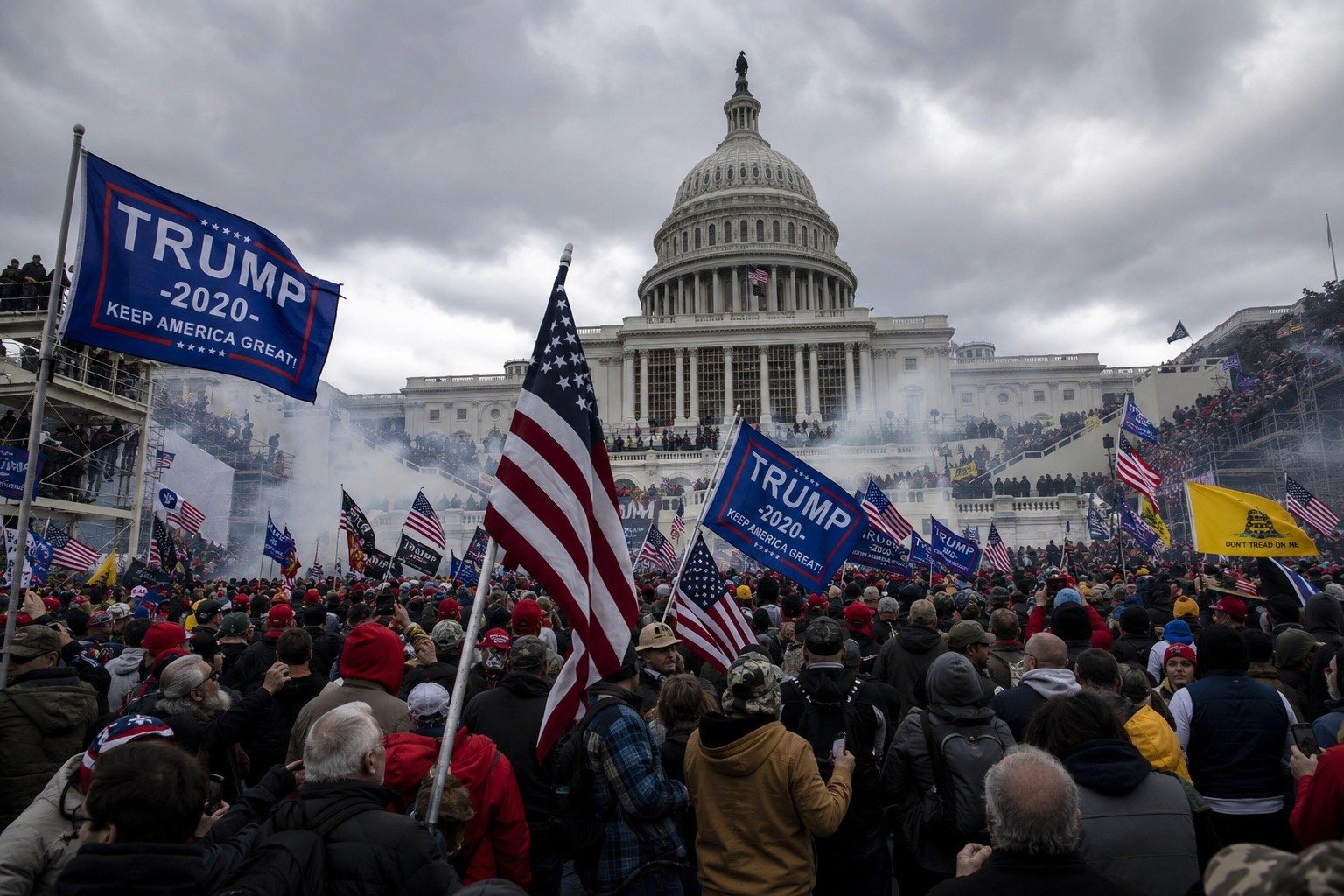
A Massachusetts physician who took part in the January 6, 2021 attack on the U.S. Capitol has lost the ability to renew her medical license — and a presidential pardon did nothing to prevent it. The Massachusetts Board of Registration in Medicine revoked Dr. Jacquelyn Starer’s right to renew her license, drawing a hard line between a federal pardon and a state’s authority to decide who is fit to practice medicine.
A Capitol Rioter Who Happened to Be a Doctor
Starer, a physician from Ashland, Massachusetts, was among the crowd that breached the Capitol as Congress met to certify the 2020 election. She later admitted to striking a police officer during the chaos and pleaded guilty in federal court. Her case was one of hundreds brought against people who stormed the building that day.
Then came the pardons. After returning to office, President Trump issued sweeping clemency to January 6 defendants, and Starer’s federal conviction was wiped away. For many, that seemed to close the book. But a pardon only reaches the charges a president has power over — federal ones.
Why the Pardon Couldn’t Save Her License
Medical licensing is a state function. Every doctor who wants to practice answers not just to the courts but to a professional board that judges character and conduct. In Massachusetts, that board reviewed Starer’s admitted conduct — joining a violent attack on the seat of government and striking an officer — and concluded she should not be allowed to renew her credential.
One detail matters here. The board did not strip an active, in-good-standing license out from under her. Every credible account — from NBC News to the Boston Globe to the state’s own records — describes the action as revoking her right to renew. The legal distinction is real, but the practical effect is the same: her path back to practicing medicine in the state is closed.
The action was dated in mid-July and announced in the days that followed. It landed after months in which the pardons had appeared, to some observers, to erase the consequences of that day entirely.
Two Systems, Two Different Answers
The Starer case has become a clean illustration of something that often gets lost in the noise around January 6: federal and state accountability run on separate tracks. A president can pardon a federal crime. He cannot order a state medical board to certify someone it considers unfit.
Supporters of the board’s decision argue that is exactly how professional accountability is supposed to work — that a doctor’s fitness to practice is a question of character and public trust, not partisan politics. Others will frame any consequence that survives a pardon as piling on. Both reactions are already familiar in a country that remains deeply split over how to remember that day.
What This Means for Americans
For ordinary people, the takeaway is straightforward. The professionals a state licenses — the doctors, nurses, and others the public depends on — are held to standards that do not disappear because of a political favor. A pardon can end a prison sentence. It cannot force a licensing board to vouch for someone it has judged unfit to hold the public’s trust.
Stay informed on the stories that matter most. Follow Your Daily Updates on Facebook and bookmark yourdailyupdates.news for breaking news and analysis.