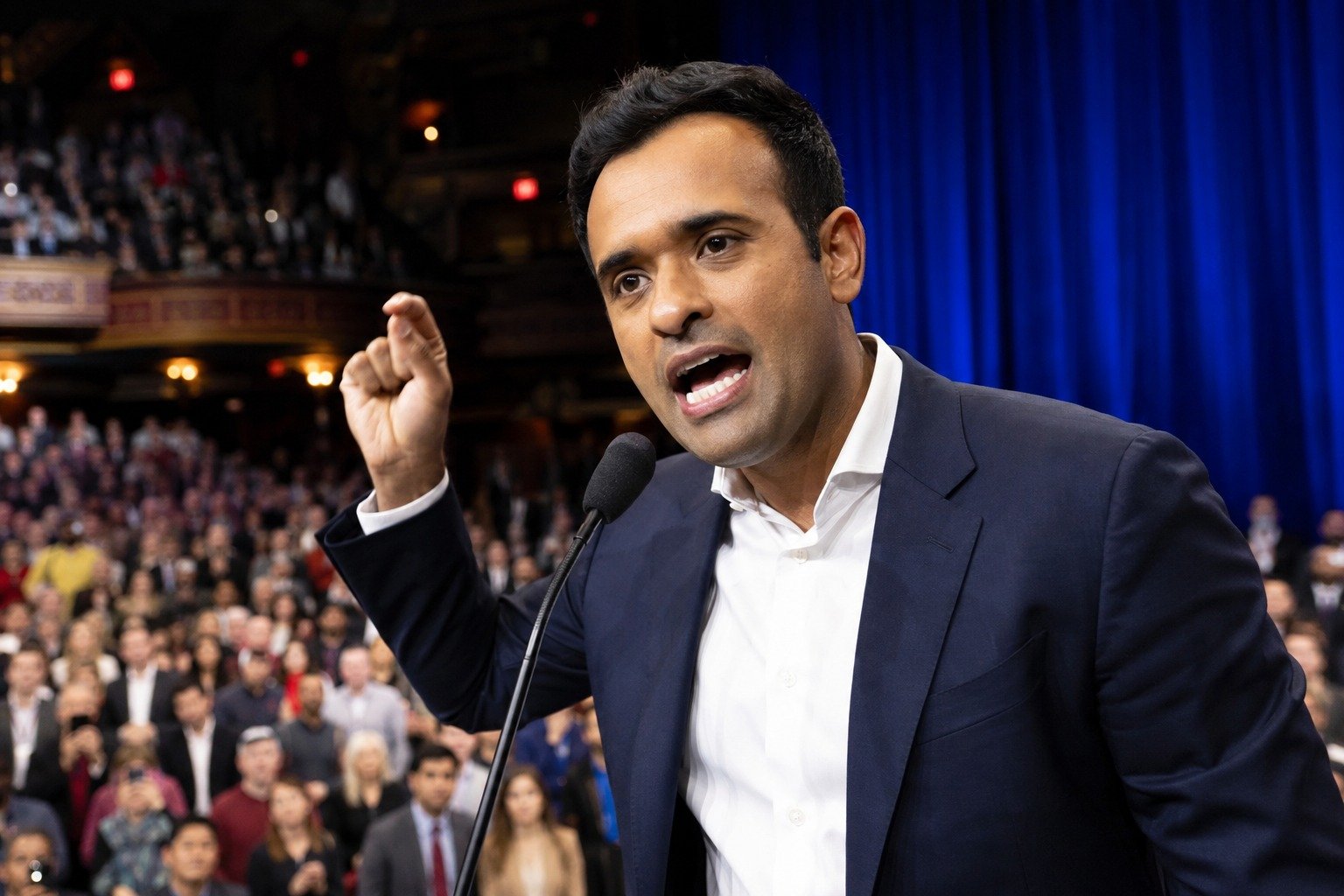
New York City Mayor Zohran Mamdani brought a packed Brooklyn rally to its feet on June 18 with a blunt warning about who he believes is trying to buy America’s elections — and he named the target directly: AIPAC.
Speaking at the historic Kings Theater at an event headlined by Senator Bernie Sanders ahead of the New York primaries, Mamdani told the crowd, “The monsters that we are up against, they take many different forms.” He then singled out the American Israel Public Affairs Committee — the pro-Israel lobbying powerhouse that has poured millions of dollars in largely untraceable money into races across the country to boost its preferred candidates.
A sitting mayor takes on a lobbying giant
The moment was striking for its source. Mamdani is not a long-shot challenger or a fringe activist — he is the sitting mayor of the largest city in the United States, sworn in on January 1, 2026. For a leader of that stature to stand before thousands of supporters and brand one of Washington’s most powerful lobbying operations as “monsters” marked an unusually direct confrontation with the political establishment.
AIPAC has long been one of the most influential forces in American electoral politics. Through affiliated political action committees, it has spent enormous sums in Democratic primaries in particular, often targeting progressive candidates who have been critical of Israeli government policy. Supporters of the lobby describe that spending as ordinary political participation. Critics, including Mamdani, argue that the scale and opacity of the money distort the democratic process and drown out the voices of ordinary voters.
“Dark money” and the fight over influence
The phrase Mamdani leaned on — “dark money” — has become shorthand in progressive politics for political spending whose original donors are difficult or impossible to trace. To his supporters in the Kings Theater, the message landed as a articulation of a frustration they already feel: that floods of cash from powerful interests can overwhelm grassroots campaigns and shape who gets to win.
The setting amplified the message. Sanders, who has built a national movement around the argument that billionaires and corporate interests have captured too much of American politics, headlined the rally. Mamdani’s callout of AIPAC fit squarely within that frame — a contention that the country’s elections are increasingly contests over who can spend the most, rather than who best represents the people.
Pushback is certain
The “monsters” language is the kind of rhetoric that guarantees a reaction. Defenders of AIPAC and its allied candidates are likely to call the framing inflammatory and unfair, arguing that the organization is exercising the same First Amendment rights as any other advocacy group and that demonizing it crosses a line. Some will see in the remark an attempt to single out a pro-Israel group for criticism that other lobbies do not receive.
Mamdani’s allies counter that the issue is not the cause a group champions but the mechanics of how it wields power — the volume of money, the difficulty of tracing it, and the outsized effect it can have on competitive primaries. In their telling, calling out that dynamic is not an attack on any community but a defense of fair elections.
Why it matters heading into the primaries
The timing was no accident. With New York primaries approaching, Mamdani used one of the biggest progressive stages in the city to draw a sharp line about the role of money in politics. Whether voters see his words as an overdue act of accountability or as needlessly combative, the line has already entered the conversation — and it sets a marker for how the mayor intends to talk about influence and power in the months ahead.
For now, the takeaway is simple: a sitting big-city mayor stood in front of a roaring crowd and told the most powerful pro-Israel lobby in the country, by name, that he considers its spending a threat to democracy. In an era when many politicians choose their words to avoid offense, that kind of bluntness is itself the story.