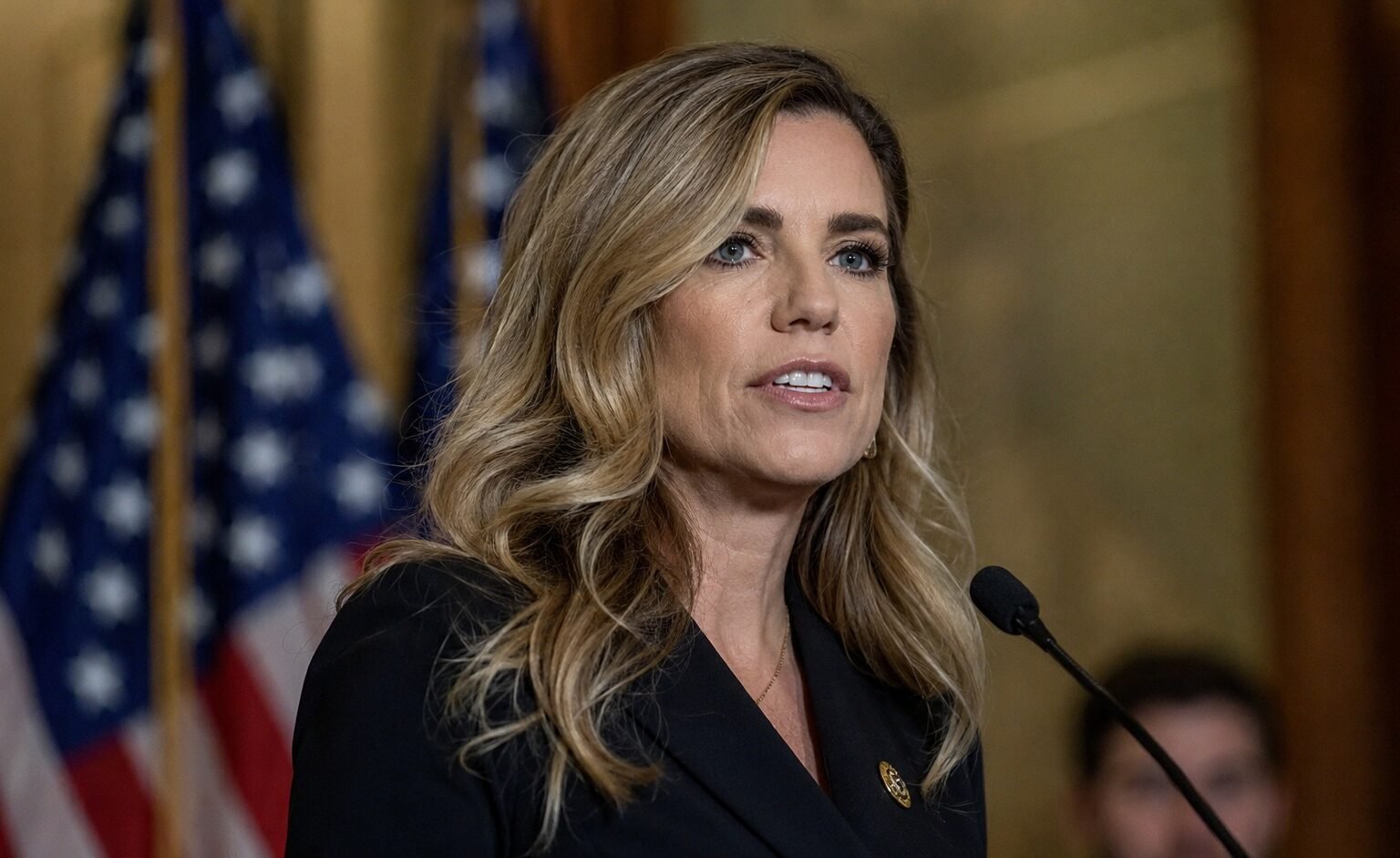
Rep. Nancy Mace (R-SC) has introduced federal legislation that would make certain child s*xual abuse offenses punishable by death. The bill, titled the Death Penalty for Child R*pists Act and designated H.R. 7702 in the 119th Congress, was introduced in late February and referred to the House Judiciary and Armed Services Committees.
The measure would amend Title 18 of the U.S. Code to authorize capital punishment for three categories of federal offenses against children: aggravated s*xual abuse of a child, s*xual abuse of a minor, and abusive s*xual contact against a child. It would also authorize the death penalty for the r*pe of a child under the Uniform Code of Military Justice.
What the Bill Would Do
The legislation builds on a step Mace took the previous year. In September 2025, she secured an amendment to the House-passed National Defense Authorization Act for fiscal year 2026 that authorized the death penalty under military law for service members convicted of r*ping a child. The new standalone bill extends that approach into the broader federal criminal code, reaching civilian offenses prosecuted under Title 18 rather than only those handled through the military justice system.
Mace has framed the bill as a matter of proportionality, arguing that offenders who commit the most serious crimes against children should face the harshest penalty the law can impose. Supporters of the measure say capital punishment is a justified response to crimes they regard as among the most severe.
A Direct Conflict With Supreme Court Precedent
The bill faces a significant constitutional obstacle. In 2008, the U.S. Supreme Court ruled in Kennedy v. Louisiana that the Eighth Amendment’s ban on cruel and unusual punishment prohibits the death penalty for the r*pe of a child in cases where the victim did not die. That decision set a national standard limiting capital punishment to crimes involving the death of the victim, or certain crimes against the state such as treason and espionage.
Because the bill would authorize executions for non-homicide child s*xual abuse offenses, it runs directly counter to that ruling. Legal observers note that if the measure became law, it would almost certainly draw an immediate court challenge. For supporters, that confrontation may be part of the point: the bill could serve as a vehicle to bring the question back before a Supreme Court whose composition has changed since 2008, in the hope that the justices revisit or narrow the Kennedy precedent.
Arguments From Critics
Opponents raise both legal and practical objections. Beyond the constitutional conflict with Kennedy, some argue that making child s*xual abuse a capital offense could have unintended consequences for the very victims the law is meant to protect. They warn that the threat of an execution could discourage reporting, particularly in cases where the abuser is a family member, because victims or relatives may be unwilling to come forward if doing so could lead to a death sentence.
Critics also point to the heightened stakes of capital cases. With a life on the line, they argue, the risk of wrongful conviction carries even graver consequences, and the emotional intensity surrounding these prosecutions can complicate the search for reliable evidence.
Part of a Broader Movement
Mace’s bill does not exist in isolation. Several states have already moved in the same direction. Florida enacted a law in 2023 allowing the death penalty in certain child s*xual abuse cases, and Tennessee has passed a similar measure. Both are facing legal challenges that test the boundaries of the Kennedy decision.
A group of roughly 20 state attorneys general, led by South Carolina Attorney General Alan Wilson, has urged the courts to reconsider the 2008 precedent, arguing that the wave of newer state laws reflects a shift in the national consensus the Supreme Court relied on when it decided the case. Whether that argument gains traction will likely shape the fate of both the state statutes and Mace’s federal proposal.
What This Means Going Forward
For now, H.R. 7702 sits in committee, one of thousands of bills introduced each session that may never reach a floor vote. But its significance lies less in its immediate legislative odds than in the constitutional fight it is designed to provoke. If it advances, it would set up a renewed national debate over the limits of capital punishment and the meaning of the Eighth Amendment.
Stay informed on the stories that matter most. Follow Your Daily Updates on Facebook and bookmark yourdailyupdates.news for breaking news and analysis.