A District of Columbia judge has thrown out the Kennedy Center’s $1 million breach-of-contract lawsuit against jazz musician Chuck Redd, handing the embattled arts institution a stinging legal defeat. On June 5, 2026, D.C. Superior Court Judge Tanya Jones Bosier dismissed the case with prejudice — meaning it cannot be refiled — after finding that no binding agreement ever existed between the venue and the musician who refused to perform there in protest.
A 19-Year Tradition Ends in Protest
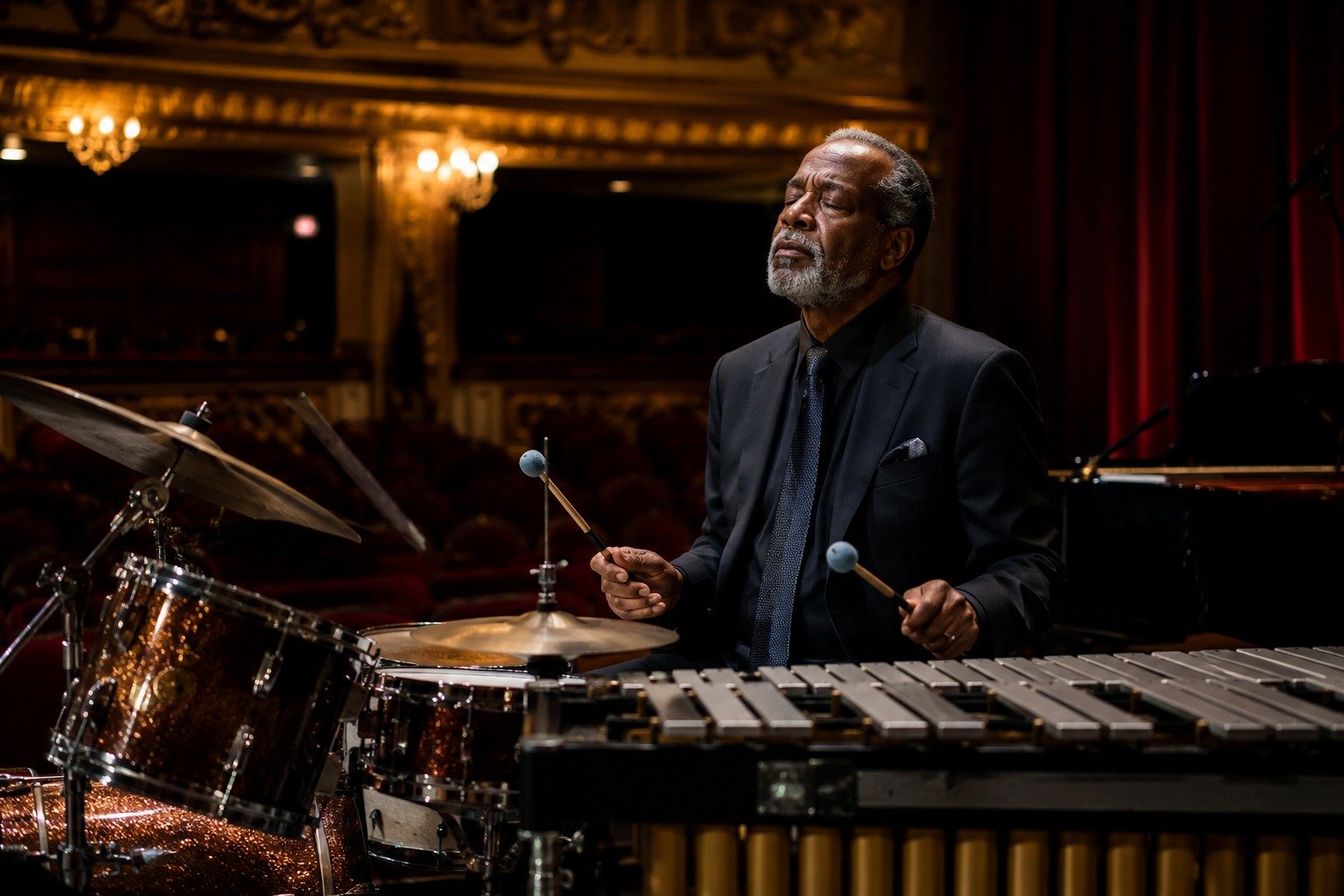
For nearly two decades, Chuck Redd was a fixture of the holiday season at the Kennedy Center. A respected jazz drummer and vibraphonist who has shared stages with some of the genre’s biggest names, Redd hosted the venue’s free “Christmas Eve Jazz Jam” every year beginning in 2006. The event was a gift to the public — a no-cost evening of live music in one of the nation’s most prestigious cultural spaces.
That changed in 2025. After President Donald Trump’s handpicked board at the Kennedy Center voted to add the president’s name to the venue, Redd canceled his scheduled performance in protest. For him, lending his art to an institution he believed had been politically commandeered was a line he would not cross.
A Million-Dollar Lawsuit Over a Free Show
Rather than let the cancellation pass, the Kennedy Center — then led by Richard Grenell — took Redd to court. The institution sued the musician for $1 million, alleging breach of contract over a performance that was, notably, free to the public.
As the case progressed, the Center floated a settlement offer that drew sharp attention. It proposed to settle for $7,500 — but only if Redd agreed to return and perform with no “political commentary.” Critics saw the condition as an attempt to buy a musician’s silence, attaching a gag order to the price of peace.
The legal foundation of the suit, however, was shaky. Redd had never signed the 2025 contract the Kennedy Center pointed to. Without his signature, there was no enforceable agreement — and without an agreement, there was nothing to breach.
The Anti-SLAPP Ruling
Judge Jones Bosier dismissed the case under the District of Columbia’s Anti-SLAPP law. SLAPP stands for “Strategic Lawsuit Against Public Participation” — a category of litigation designed not to win on the merits, but to silence and financially exhaust people who speak out on matters of public interest. Anti-SLAPP statutes exist precisely to shut such suits down early.
By dismissing with prejudice, the judge ensured the Kennedy Center cannot simply refile the same claim and try again. The ruling found that there was no contract to enforce and that the suit ran afoul of protections meant to safeguard free expression.
What This Means for Americans
The case is about more than one jazz musician and one holiday concert. It raises a pointed question about how powerful institutions respond when individuals exercise their right to protest. A publicly prominent arts venue tried to use a million-dollar lawsuit to punish an artist for declining to perform — and a court said no. For anyone who has ever worried about the cost of speaking up, the ruling is a reminder that Anti-SLAPP laws exist to protect ordinary people from being litigated into silence.
Stay informed on the stories that matter most. Follow Your Daily Updates on Facebook and bookmark yourdailyupdates.news for breaking news and analysis.