A federal judge has ordered President Donald Trump’s name removed from the John F. Kennedy Center for the Performing Arts, ruling that the administration broke federal law when it moved to rename the storied institution. The decision, handed down Friday, found that only Congress holds the power to alter a national memorial dedicated to a former president – and that Trump-branded signage must come down within 14 days.
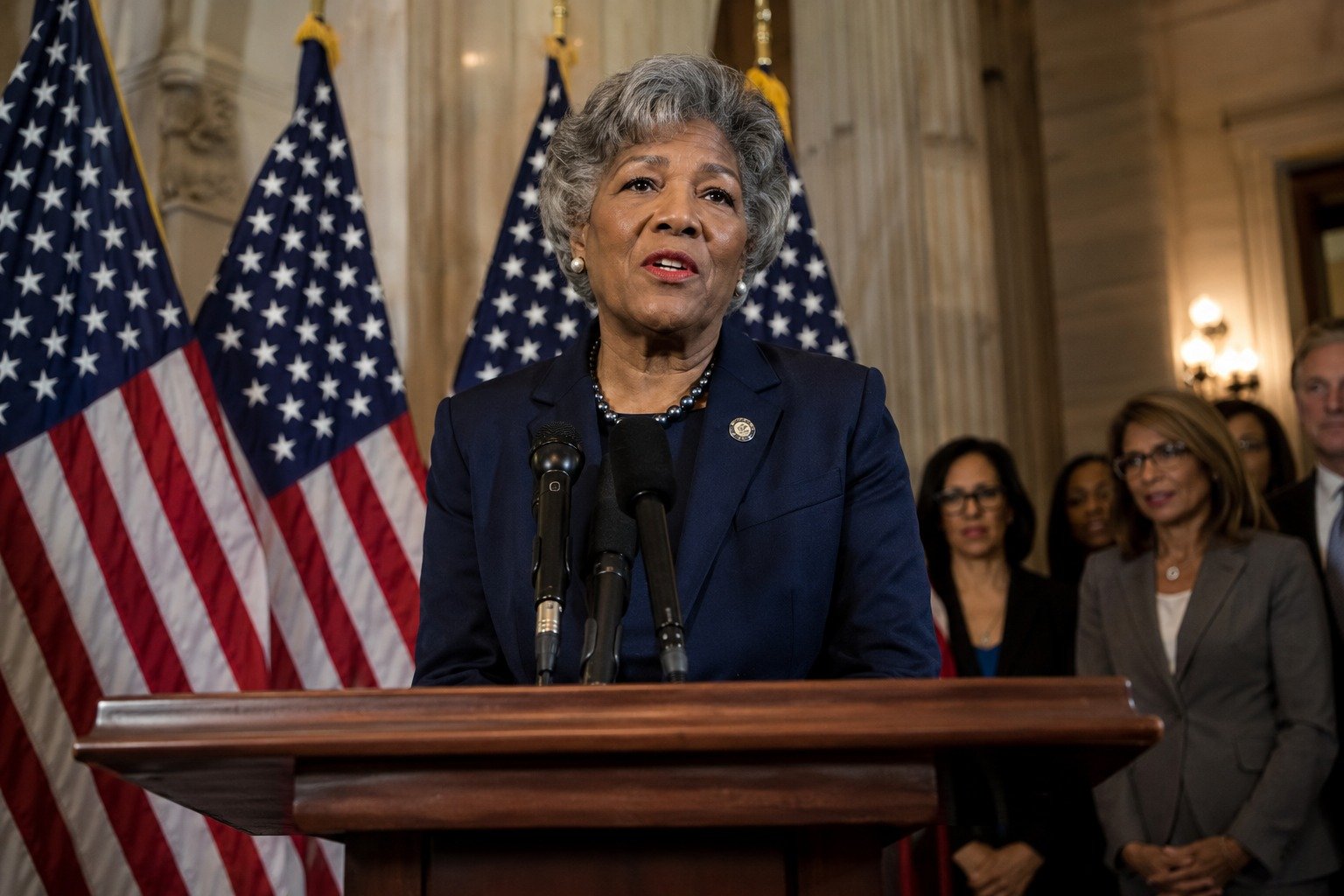
The ruling is a sweeping victory for U.S. Rep. Joyce Beatty of Ohio, a Democrat and former member of the Kennedy Center Board who brought the lawsuit that stopped the renaming in its tracks. “Congress gave the Kennedy Center its name, and only Congress can change it,” the judge wrote in the opinion.
How the Fight Began
The dispute traces back to December 2025, when a Trump-appointed Kennedy Center Board voted to rename the national arts complex. The move alarmed lawmakers and arts advocates who saw it as an unprecedented attempt to rebrand a memorial that Congress had established and dedicated to President John F. Kennedy decades earlier.
Beatty, who had served on the Center’s board, filed suit to halt the renaming. Then, in February 2026, the situation escalated. The administration announced – without advance warning, and amid reports of declining ticket sales – that the Kennedy Center would shut down, ostensibly for renovations. Beatty amended her lawsuit to block that closure as well, arguing the administration was overstepping its authority over an institution that belongs to the public.
What the Court Decided
The judge’s order does two major things. First, it directs that Trump’s name be stripped from the Kennedy Center and that any signage bearing it be removed within two weeks. Second, it blocks the administration from formally renaming or shutting down the institution. The court did carve out one allowance: capital repair work on the building may continue.
At the heart of the decision is a question of who controls a national memorial. The Kennedy Center was created and named by an act of Congress. The judge concluded that the executive branch cannot unilaterally rename or close it – that power rests with the legislative branch that established it in the first place. It is a narrow, structural argument rather than a verdict on whether the renaming was a good or bad idea.
Reactions on Both Sides
Beatty framed the outcome in plain terms, saying the memorial belongs to the American people. Supporters of the ruling cast it as a defense of an institution and a check on executive power – a reminder that even a sitting president must operate within the limits set by Congress.
Critics see it differently. Some argue the decision represents judicial overreach into a sitting president’s authority to manage federal property and the institutions under the executive branch’s care. They contend the administration was acting within its discretion, and that the courts have inserted themselves into a matter that should have been left to the political process.
What This Means for Americans
For most people, the Kennedy Center is a place to see a concert, a play, or a ballet – not a battleground over constitutional power. But the ruling touches something larger than a building. It tests where the line falls between what a president can decide alone and what requires Congress, and it sets a marker for how the nation’s public memorials are protected. Whether the administration appeals, and how higher courts respond, will determine whether this becomes a lasting precedent or a single round in a longer fight.
Stay informed on the stories that matter most. Follow Your Daily Updates on Facebook and bookmark yourdailyupdates.news for breaking news and analysis.