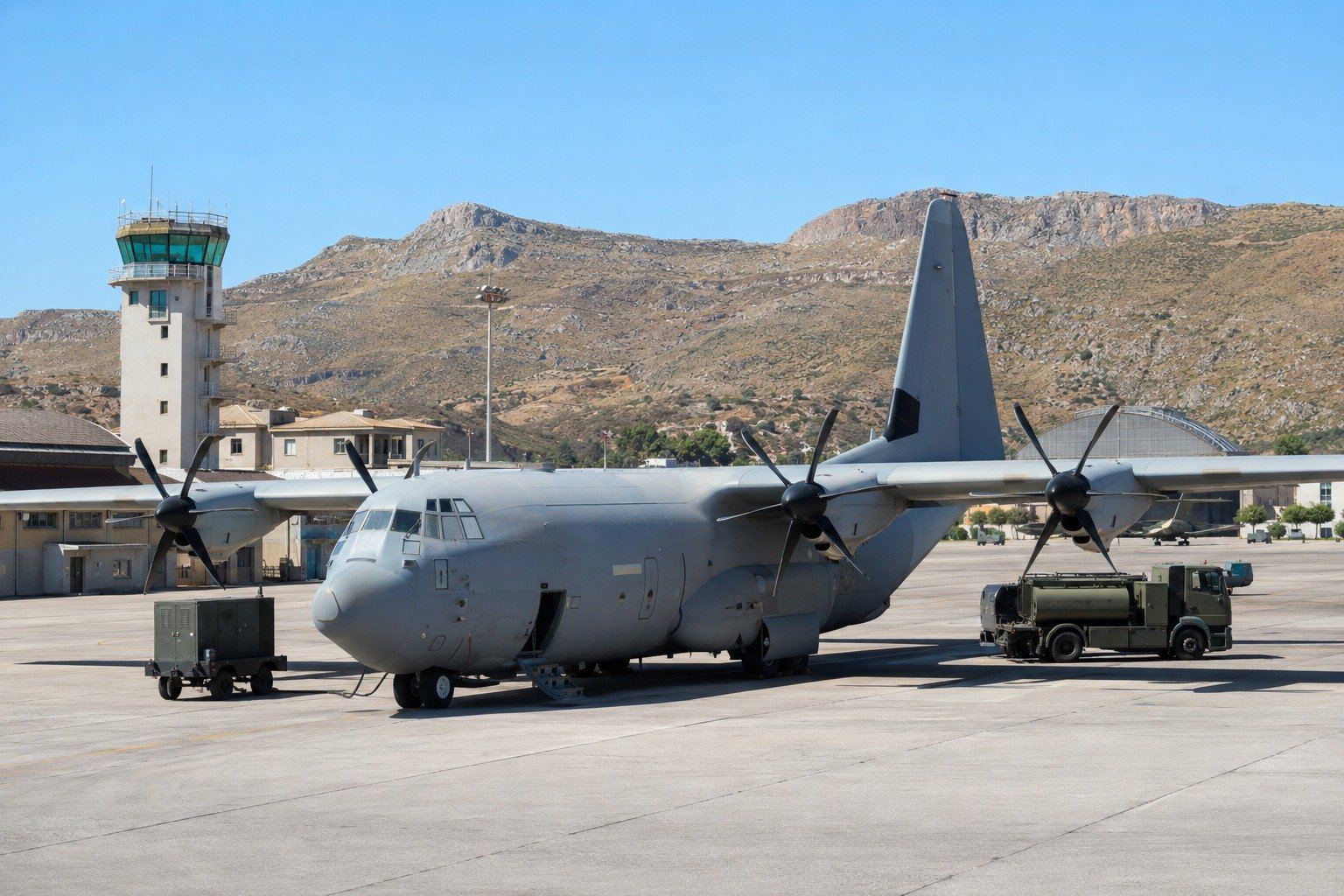
Late this past March, Italy turned away a single United States military flight that had been due to land and refuel at Naval Air Station Sigonella, the sprawling American-used base on the island of Sicily, as the aircraft made its way toward the Middle East. The decision, reported by the Italian news agency ANSA, was narrow in scope but loud in symbolism, and it set off a round of careful explanations from Rome.
This was not, officials stressed, a blanket ban on American planes. It was one flight, turned away on procedural grounds. Italian authorities said the aircraft had not followed the proper advance-notification rules laid out in the long-standing basing agreement that governs how the United States uses Italian soil. In other words, the paperwork and prior notice required under the arrangement had not been satisfied, and Italy declined the request rather than wave it through.
A Treaty Ally Drawing a Line
Sigonella has been a key hub for American and NATO operations in the Mediterranean for decades. Aircraft routinely pass through on their way to and from the Middle East and North Africa, and the base is woven into the daily rhythm of U.S. logistics in the region. That history is exactly why a single denied flight drew attention: it is unusual enough to raise eyebrows, even when the reason is bureaucratic rather than political.
Defense Minister Guido Crosetto moved quickly to frame the episode. Respecting treaties, he said, “does not mean being involved in a war… we are not at war.” He went out of his way to stress that the refusal did not signal any tension with the United States, and that it was not a ban on the American use of Italian bases. The point, as Rome described it, was about process – the rules that both sides agreed to – not about closing the door on a close ally.
Prime Minister Giorgia Meloni echoed the same message in plainer terms. “We’re not at war; we don’t want to go to war,” she said. The two statements, taken together, were less a rebuke of Washington than a public reminder of where Italy sees the limits of its commitments.
Why the Distinction Matters
The gap between what happened and how it can be described is wide, and it matters. A headline that says Italy “blocked U.S. military planes” suggests a sweeping rupture – a country slamming its airspace shut and pulling away from an alliance. The reality is far more contained: one flight, one notification problem, and a quick clarification from the top of the Italian government that bilateral ties remain intact.
Still, the moment is telling. Being part of an alliance like NATO does not mean a member state automatically signs on to every operation a partner wants to run through its territory. Basing agreements come with conditions, and those conditions are meant to be honored in both directions. Italy’s decision was a reminder that even the closest partners are expected to follow the rules they negotiated – and that a host nation retains the right to say no when those rules are not met.
What This Means for Americans
For Americans watching U.S. military movements toward the Middle East, the episode is a small window into how alliances actually function day to day. Access to overseas bases is not unlimited or guaranteed; it depends on agreements, advance notice, and the political comfort of host governments. When a flight is turned away over procedure, it is a sign that those guardrails are real – and that allies expect them to be respected. It also underscores a broader truth: an alliance is a partnership, not a blank check, and host nations like Italy can draw a line between supporting a partner and being drawn into a conflict they did not choose.
Stay informed on the stories that matter most. Follow Your Daily Updates on Facebook and bookmark yourdailyupdates.news for breaking news and analysis.