When President Trump reached a settlement with the IRS over his sprawling $10 billion lawsuit, most media attention focused on the $1.8 billion “Anti-Weaponization Fund” — a pool of money created to compensate those who claimed they were improperly targeted by the agency during the Biden years. But buried deep in the fine print was something far more significant: a legal addendum declaring the IRS “forever barred and precluded” from prosecuting or pursuing examinations of Trump, his affiliates, and his businesses.
That single clause is now the center of a growing political and legal firestorm — one that spans both chambers of Congress and has drawn direct accusations of corruption at the highest levels of the federal government.
Warren and Wyden Sound the Alarm
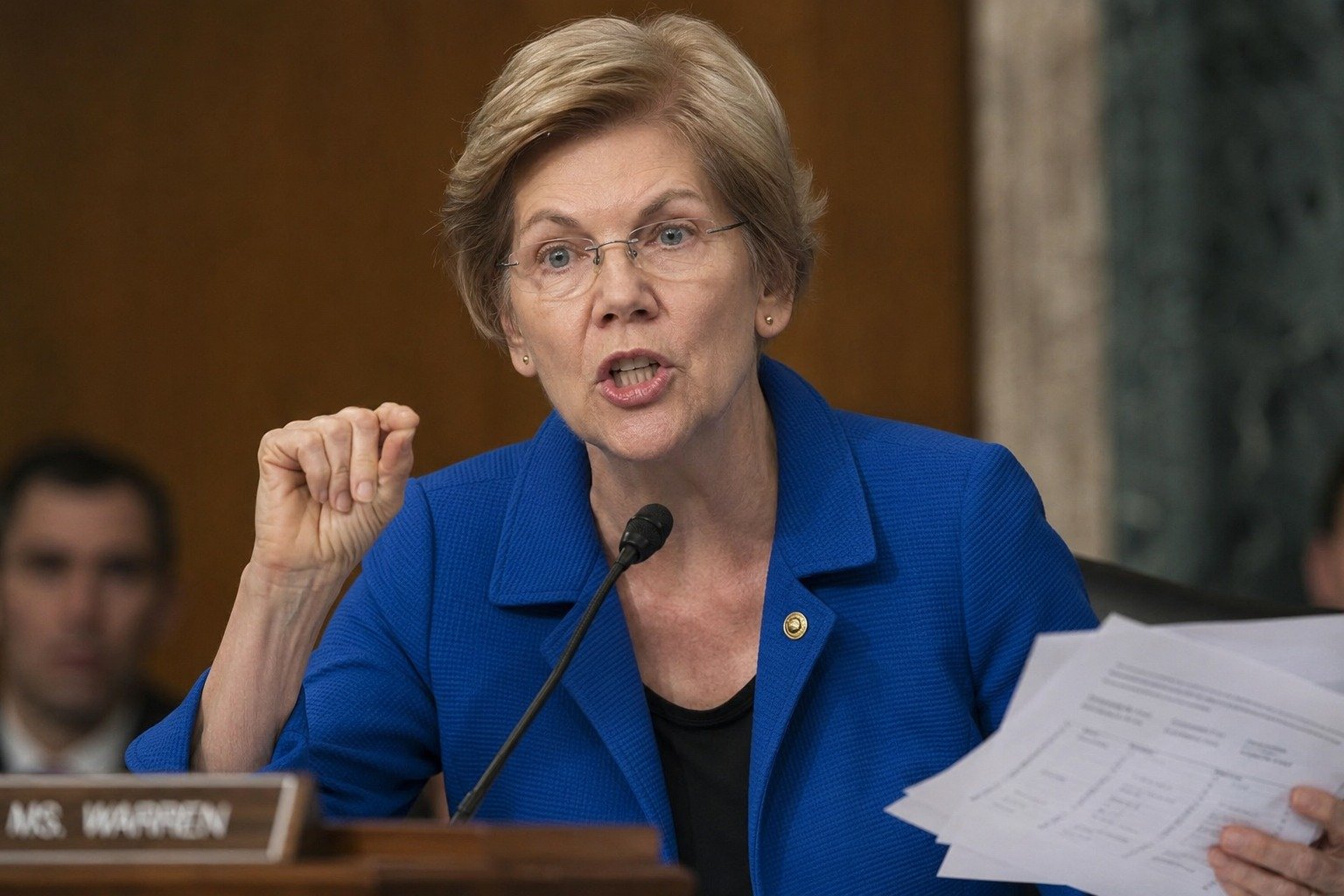
Senate Democrats Elizabeth Warren and Ron Wyden fired the first volley on May 20th, sending a formal letter to Treasury Secretary Scott Bessent and IRS Commissioner Frank Bisignano demanding a full accounting. Their questions were pointed and specific: Was the president personally involved in negotiating the settlement terms? Who authorized the inclusion of the “forever barred” language? And does the clause as written extend beyond currently active audits to cover any future examination of Trump or his business empire?
Warren, in particular, has been one of the most aggressive critics of the deal. She argued that the settlement represents an unprecedented use of presidential authority to personally insulate a sitting president from federal tax enforcement — a power no previous administration has attempted to claim.
The DOJ Pushback — and Why It’s Not Settling the Debate
The Department of Justice moved quickly to contain the fallout, issuing a statement asserting that the permanent protection only applied “with respect to existing audits, not future” investigations. On its face, that clarification sounds reassuring. But legal analysts and congressional critics were quick to point out the problem: the written text of the addendum doesn’t say that.
The actual language uses the phrase “any matters currently pending or that could be pending” — a construction that legal experts say is broad enough to encompass not just open audits but any investigation that might arise in the future. The gap between what DOJ says the settlement means and what the document actually says is precisely what is driving the demand for answers.
House Democrats Escalate — Calling It “Public Corruption”
House Democrats did not wait for Senate colleagues to lead the charge. Judiciary Ranking Member Jamie Raskin and Ways and Means Ranking Member Richard Neal sent their own letter to DOJ and Treasury, going even further in their characterization of the deal. They demanded a full list of every audit and enforcement action the IRS dropped as a condition of the settlement — and did not mince words about what they believe it represents.
“One of the most brazen acts of public corruption and self-dealing in American history,” their letter read. The language was deliberately blunt: the allegation is not merely that the settlement was legally questionable, but that a sitting president used the power of his office to negotiate personal immunity from federal tax enforcement.
The Bigger Constitutional Question
Strip away the partisan framing on both sides, and a genuinely serious constitutional question remains. A sitting president personally negotiated a settlement with the federal agency statutorily responsible for auditing him. The written terms of that settlement appear — at minimum in their plain language — to permanently shield him, his family members, and his business entities from the IRS’s reach. Whether that protection is legally enforceable, and whether it survives a court challenge, remains to be determined.
What is already certain is that the political battle over the clause is not going away. Congressional Democrats have made clear they intend to pursue every avenue available — including subpoenas for internal DOJ and Treasury communications — to determine exactly how the “forever barred” language ended up in a federal settlement agreement signed by officials acting in the public’s name.
The answers, when they come, are likely to matter for far more than just one president’s tax bill.