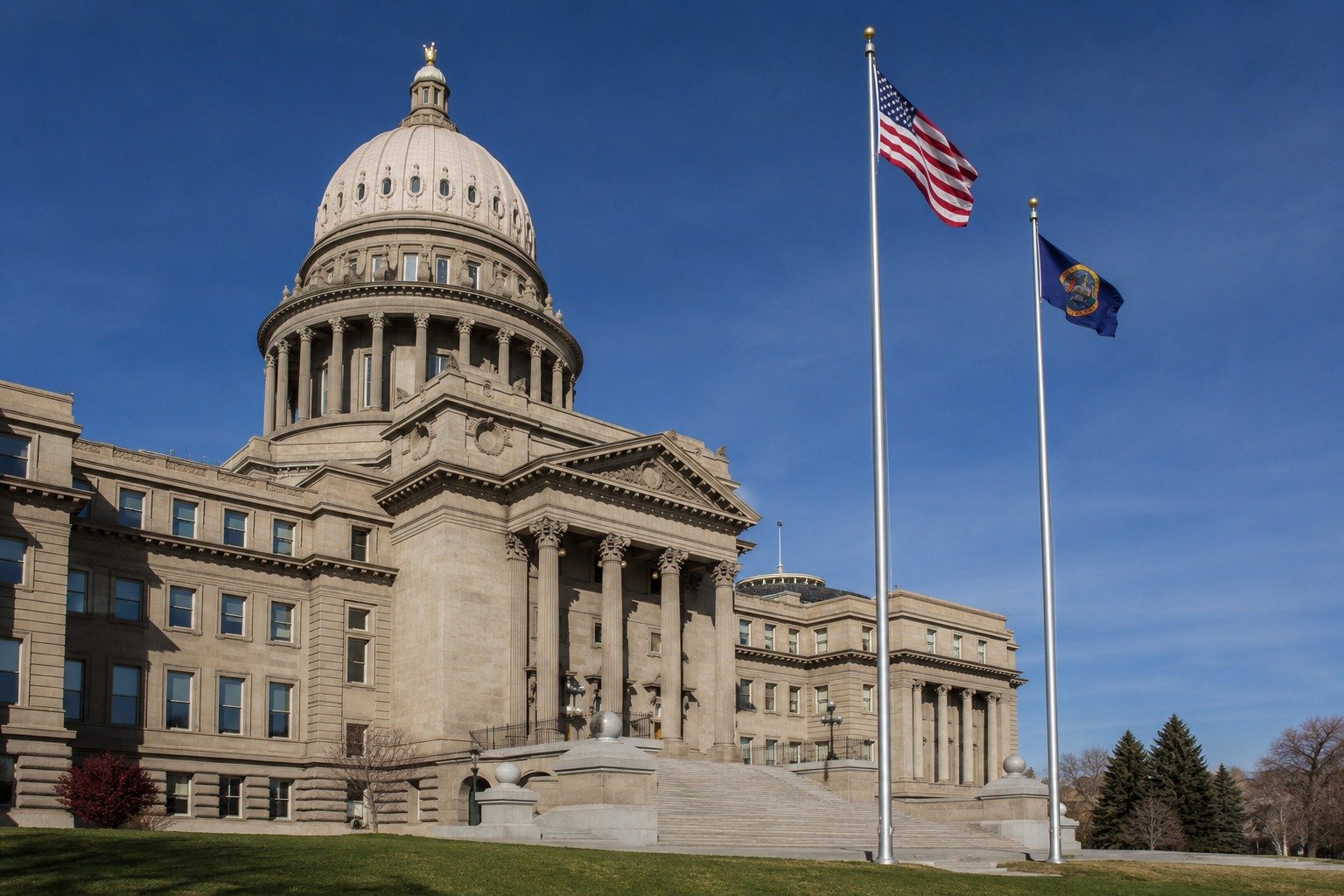
Idaho is stepping into territory no other state has entered. As of July 1, 2026, Idaho becomes the first state in the nation to make death by firing squad its primary method of execution — not a backup or a last resort, but the default way the state carries out a death sentence.
The change comes from House Bill 37, which state lawmakers passed and advanced earlier this year. Supporters of the measure argue that lethal-injection drugs have become increasingly unreliable and difficult to obtain, and that a firing squad is faster and more certain. Critics counter that it drags the state toward a harsher, more violent form of punishment — and that making it the primary method, rather than an alternative, marks a significant escalation.
Idaho already authorized firing squads as an option in 2023, joining a small group of states that permit the method in some form. But no other state has gone as far as making it the default. That distinction is what genuinely sets Idaho apart in 2026.
A separate law on child sexual abuse
At the same time, Idaho has a separate and highly controversial law on the books. House Bill 380, signed by Gov. Brad Little in 2025, allows the death penalty for aggravated sexual abuse of a child under the age of 12. It is a punishment reserved for one of the most serious non-homicide crimes a person can be charged with.
It is important to be precise here: Idaho is not the first state to authorize capital punishment for child sexual abuse. Florida passed a similar law in 2023, and Tennessee followed in 2024. Idaho is the third state to take this step. Any claim that Idaho is “the first” to pair the death penalty with child abuse is inaccurate — the state’s genuine first is on the firing-squad question, not this one.
A constitutional cloud
There is a major legal question hanging over laws like House Bill 380. In Kennedy v. Louisiana (2008), the U.S. Supreme Court ruled that the death penalty is unconstitutional for crimes against an individual that do not result in the victim’s death. That decision specifically struck down a Louisiana law allowing execution for the rape of a child.
Because of that precedent, every state that has passed a modern child-sexual-abuse death penalty law is, in effect, inviting the courts to revisit the 2008 ruling. Legal experts widely expect that any attempt to actually impose a death sentence under these newer laws would trigger years of appeals — and could ultimately land back before the Supreme Court, which now has a different composition than it did in 2008.
In other words, the debate is far from settled. Supporters see these laws as a statement about how seriously the state treats crimes against children. Opponents warn that they may be unenforceable as written, and that they raise profound questions about the direction of American criminal punishment.
What it adds up to
Taken together, the two laws put Idaho at the leading edge of a national debate over the death penalty. On one front, the state is the first to make firing squads its primary execution method — a genuine national first. On the other, it has joined Florida and Tennessee in opening the door to capital punishment for child sexual abuse, a move shadowed by unresolved constitutional questions.
Whether Idaho is seen as leading on accountability or crossing a line the courts have already drawn will likely depend on what happens next in the state’s courtrooms — and, potentially, in Washington.