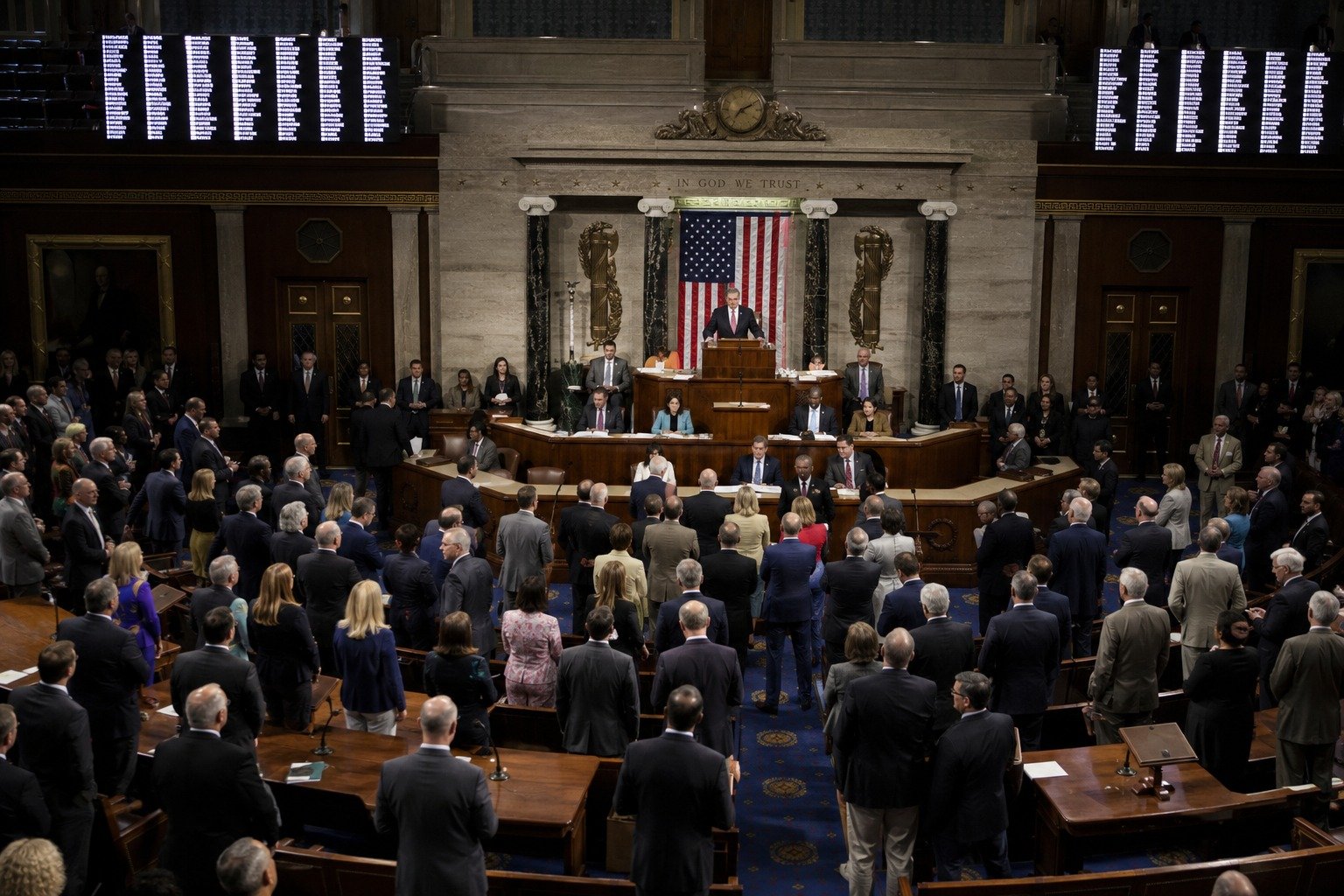
In a rare display of unanimity, the U.S. House of Representatives voted 420-0 to force the disclosure of every lawmaker who used taxpayer money to settle sexual misconduct and harassment claims. The resolution, brought by Rep. Thomas Massie, cleared the chamber around July 1, 2026, with Rep. Nancy Mace the lone member voting present.
The measure does not release any names on its own. Instead, it directs the House Ethics Committee and the Office of Congressional Workplace Rights to compile the records and make them public within 60 days. For now, the names remain hidden — but for the first time, there is a hard deadline to bring them into the open.
How Taxpayers Ended Up Paying
For years, when a member of Congress was accused of sexual misconduct, the resulting settlement could be quietly paid using public funds. The system that handled these payments operated with little transparency, and the public was rarely told which lawmakers were involved or how much was spent on their behalf.
That arrangement meant ordinary Americans were footing the bill for misconduct claims against their own elected officials — often without ever knowing it happened. Critics have long argued that the secrecy protected powerful members at the public’s expense and removed any real accountability for the behavior being settled.
What the Resolution Does
Massie’s resolution instructs the Ethics Committee and the Office of Congressional Workplace Rights to assemble a full accounting of members who used taxpayer dollars to settle sexual misconduct and harassment claims, and to release that information publicly within 60 days of passage.
The 420-0 tally is striking in an era of deep partisan division. With Rep. Nancy Mace the only member recorded as voting present, the vote signaled that lawmakers across the political spectrum concluded they could not afford to be on record defending the secrecy. Whether that unanimity survives once actual names are attached is the question now hanging over the Capitol.
The Test Comes in 60 Days
The real measure of this vote will not be the unanimous show of support — it will be what happens when the deadline arrives. A resolution directing disclosure is only as meaningful as the disclosure it produces. In two months, the public is set to learn who spent taxpayer money to make these claims disappear.
For voters, the stakes are direct. This is public money and public accountability. When the records finally surface, Americans will be able to see, for the first time, which of their representatives relied on their tax dollars to settle allegations that were kept out of view for years.
Stay informed on the stories that matter most. Follow Your Daily Updates on Facebook and bookmark yourdailyupdates.news for breaking news and analysis.