The U.S. military has been conducting lethal strikes on boats in the Caribbean for months — targeting vessels suspected of carrying narcotics. Reports indicate at least 186 people have been killed across these operations. Now a sitting congressman is saying those strikes have crossed a line that could make the people who ordered them criminals under international law.
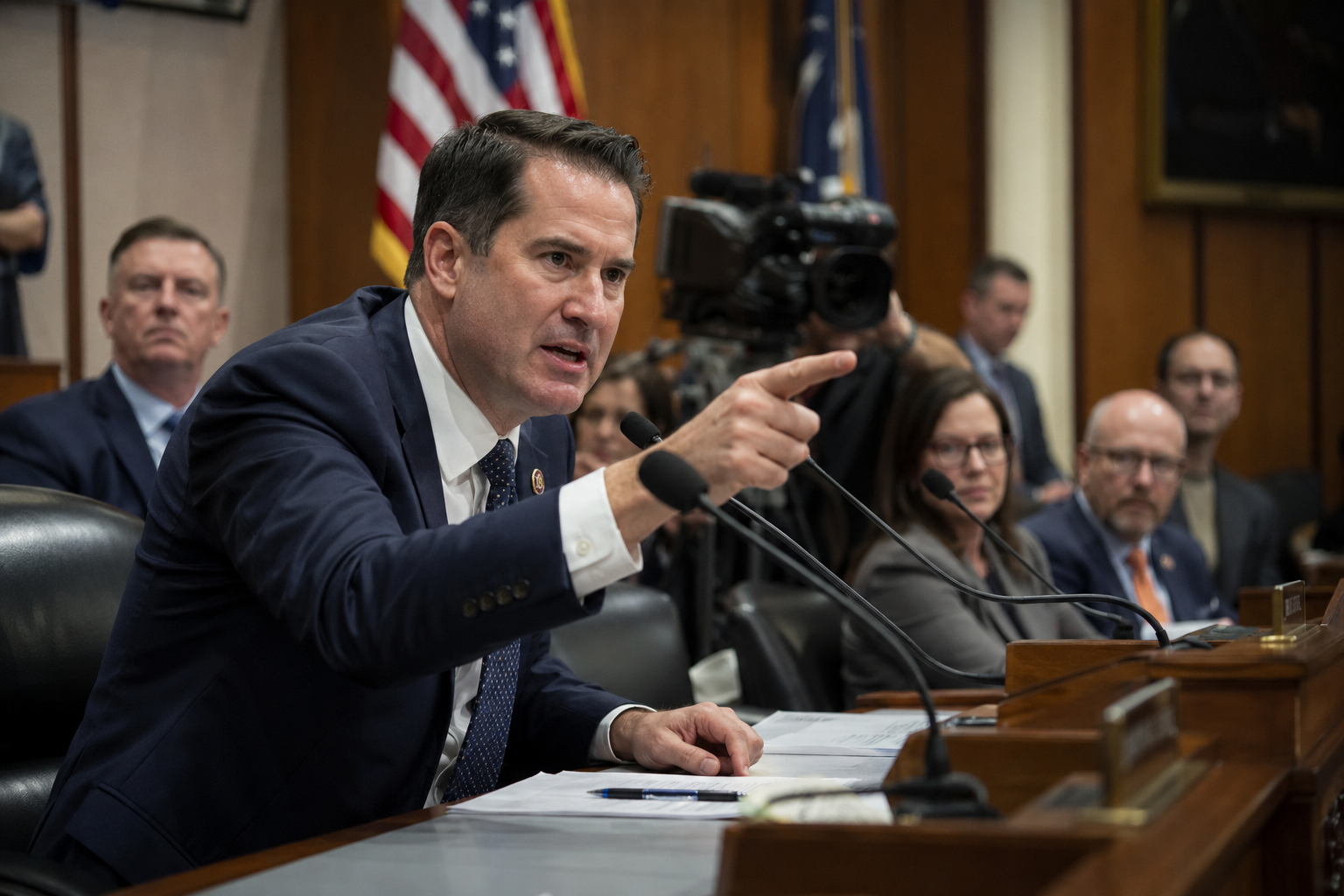
Rep. Seth Moulton of Massachusetts — a decorated Iraq War combat veteran and Democratic member of Congress — went on CNN on April 29 and didn’t hold back. When anchor Erin Burnett asked directly whether he believed Defense Secretary Pete Hegseth was guilty of war crimes, Moulton’s answer was immediate: “Absolutely.”
His argument is specific and legally grounded. According to Moulton, the core problem with the Caribbean strikes is that there is no reliable way to confirm the identity of who is actually on a vessel before the order to strike is given. Drug boats and fishing boats can look identical from aerial surveillance. That means innocent people — fishermen, civilians with no connection to narco-trafficking — may be getting killed, with no way for anyone in the chain of command to know the difference.
“These people have no trial. They have no ability to prove their innocence. They’re simply killed,” Moulton argued, contending that conducting lethal strikes on vessels without verifiable target identification constitutes a war crime under international law.
Moulton didn’t stop at the legal argument. He reached back to World War II and the Nuremberg trials — one of the most consequential legal proceedings in modern history — to make his case. Allied nations prosecuted Nazi submarine captains for conducting unrestricted warfare on vessels at sea without verifying whether they carried combatants or civilians. Under the Nuremberg framework, that practice was classified as a war crime.
Moulton’s contention is that the Caribbean strikes authorized by Secretary Hegseth bear a disturbing resemblance to those Nazi submarine tactics. He made the historical consequence plain: the captains who carried out those operations were executed at Nuremberg.
The comparison drew immediate, sharp pushback from conservatives and Trump allies. Many called it an outrageous, politically motivated smear — the kind of extreme rhetoric that opponents reach for when they lack a substantive policy counter. Some critics pointed to Moulton’s own voting record on military operations, questioning whether he applies the same standard consistently.
The Trump administration pushed back hard on the substance as well. Officials have characterized the Caribbean operation as a necessary and legally authorized response to narco-terrorism — a direct threat to American security moving through the region’s maritime corridors. The administration has argued that the strikes comply fully with U.S. and international law, and that the program is critical to disrupting cartel supply chains that funnel deadly drugs into American communities.
Defense Secretary Hegseth has rejected any suggestion of wrongdoing. He has framed the military action as decisive, necessary leadership — exactly the kind of hard call a serious defense secretary must be willing to make to protect Americans from cartels and narco-traffickers who have turned the Caribbean into a supply route for fentanyl and other dangerous drugs.
The operational details of how target identification actually works in these strikes remain classified. The Pentagon has declined to describe the specific intelligence protocols used before each engagement, making it impossible for outside observers — or members of Congress — to independently evaluate Moulton’s claims about the lack of target verification.
That opacity is central to the controversy. Without knowing what confirmation protocols exist before a strike is authorized, it is impossible to determine whether the 186 reported deaths include civilians — or whether the operations have been as precise as the administration claims.
Moulton’s comments were made in a television interview, not as part of a formal congressional investigation or oversight hearing. But they have reignited a debate that had been largely confined to military and legal circles: What are the actual rules of engagement governing the Caribbean operation, and who is accountable if civilians have been killed?
Whether Moulton’s accusations gain traction or fade as partisan noise may depend on what — if anything — comes out of congressional oversight efforts in the weeks ahead. As of now, no formal inquiry has been announced.
But a combat veteran congressman using the word “executed” on national television — paired with a reported body count of 186 — makes this a story that isn’t going away quietly. The debate over what the U.S. military is doing in the Caribbean, and who bears responsibility for the consequences, is far from over.