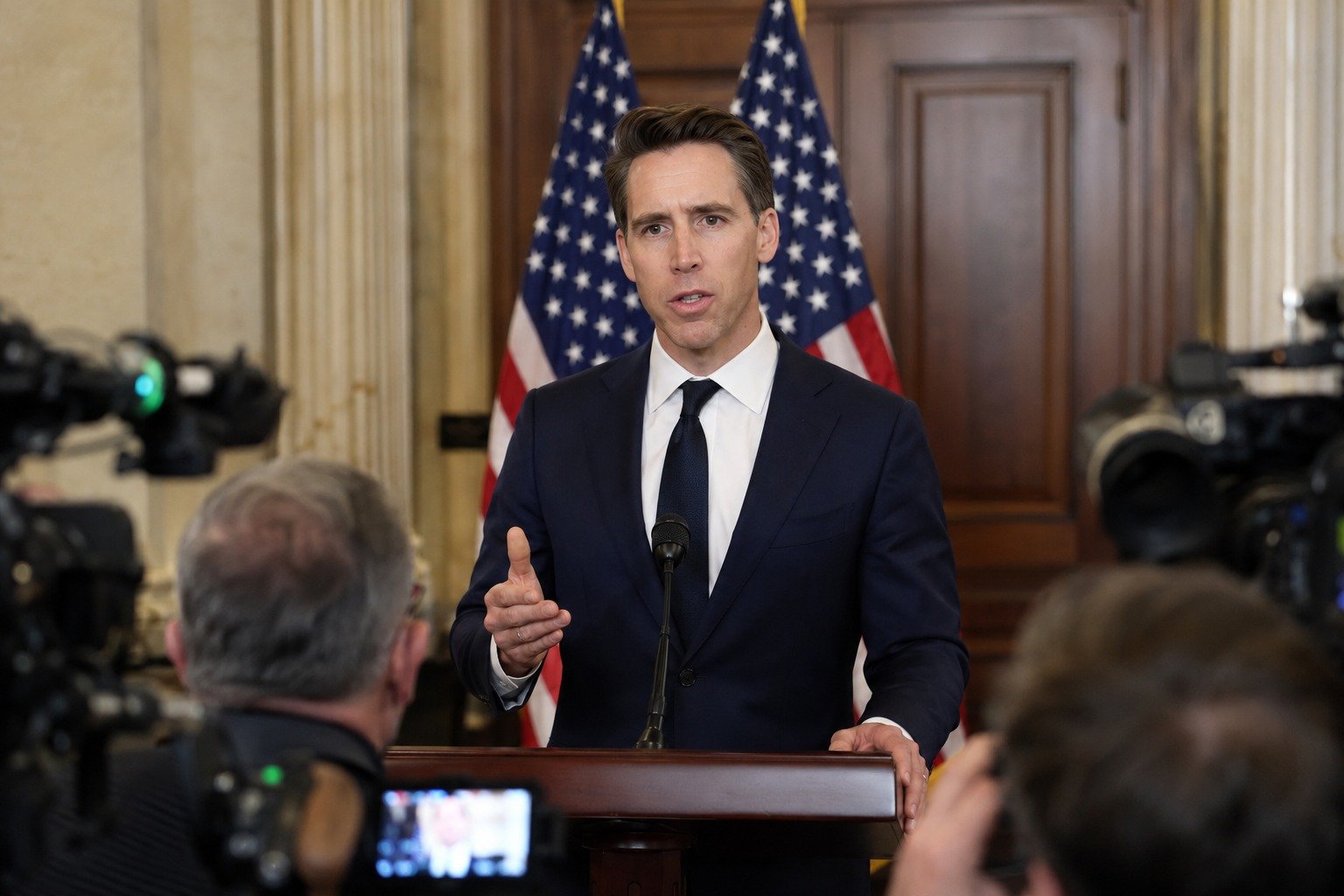
A member of Congress can be convicted of a felony s*x crime and still collect a taxpayer-funded federal pension for the rest of their life. Sen. Josh Hawley of Missouri wants to close that loophole. On April 20, 2026, he introduced the “No Pensions for Congressional Predators Act,” a bill that would bar any lawmaker convicted of a felony s*x crime from drawing their congressional retirement benefit.
The Loophole the Bill Targets
Federal law is not silent on the question of stripping pensions from misbehaving members of Congress. Under existing rules, a lawmaker convicted of certain serious felonies – bribery, fraud, treason, and perjury among them – can already lose the federal pension they would otherwise collect after leaving office. The logic is straightforward: betray the public trust in specific ways, and you forfeit the taxpayer-funded benefit that comes with the job.
But felony s*x crimes were never written into that list. That means under current law, a sitting or former member of Congress can be convicted of a felony s*x offense and continue collecting a pension funded by the very public they wronged. Hawley’s bill would add s*x crimes to the existing forfeiture statute, putting them alongside bribery and fraud as offenses that automatically trigger the loss of retirement benefits.
What the Bill Would Do
The proposal is narrow and direct. If a member of Congress is convicted of a felony s*x crime, they lose their congressional pension. There are no graduated penalties, no partial reductions – the benefit is forfeited upon conviction. Supporters frame it as a basic accountability measure: commit a s*x crime, lose the perk.
For a body that writes its own rules and votes on its own benefits, that kind of self-imposed consequence is notable. Congress has historically been slow to police its own conduct, and measures that would cost sitting members money or privileges tend to face quiet resistance. The bill’s simplicity is part of its appeal to backers – it is hard to argue publicly that a convicted predator should keep a taxpayer-funded retirement check.
Why Now
The timing is not accidental. The bill follows back-to-back resignations of House members over misconduct allegations, a wave of departures that put fresh public pressure on Congress to demonstrate it can hold its own members accountable. When scandals stack up in quick succession, the gap between what the public expects and what the law actually requires becomes harder to ignore.
That gap is exactly what this legislation is built to address. For many Americans, the idea that a lawmaker could be convicted of a serious s*x offense and still draw a government pension is the kind of detail that erodes trust in institutions. Closing the loophole is, in part, an effort to restore some of that trust.
An Introduced Bill, Not Law
It is important to be precise about where this stands. The “No Pensions for Congressional Predators Act” is an introduced bill – not law. It has been formally proposed, but it still has to move through committee and pass both the House and the Senate before it could ever take effect. Plenty of accountability bills get introduced with fanfare and then quietly die without a vote.
So the real test is what happens next. Does the bill get a committee hearing and a floor vote, or does it stall in the legislative pipeline like so many proposals before it? The answer will say a lot about whether Congress is willing to apply real consequences to its own members, or whether protecting the pension quietly wins out.
What This Means for Americans
At its core, this is a question about whose money is on the line and who answers for serious crimes. Congressional pensions are paid for by taxpayers. When a convicted predator keeps that benefit, the public is effectively underwriting the retirement of someone who committed a felony s*x crime while holding public office. The bill asks a simple question: should that continue? For voters who want lawmakers held to the same standards as everyone else, the answer – and whether Congress is willing to act on it – matters.
Stay informed on the stories that matter most. Follow Your Daily Updates on Facebook and bookmark yourdailyupdates.news for breaking news and analysis.