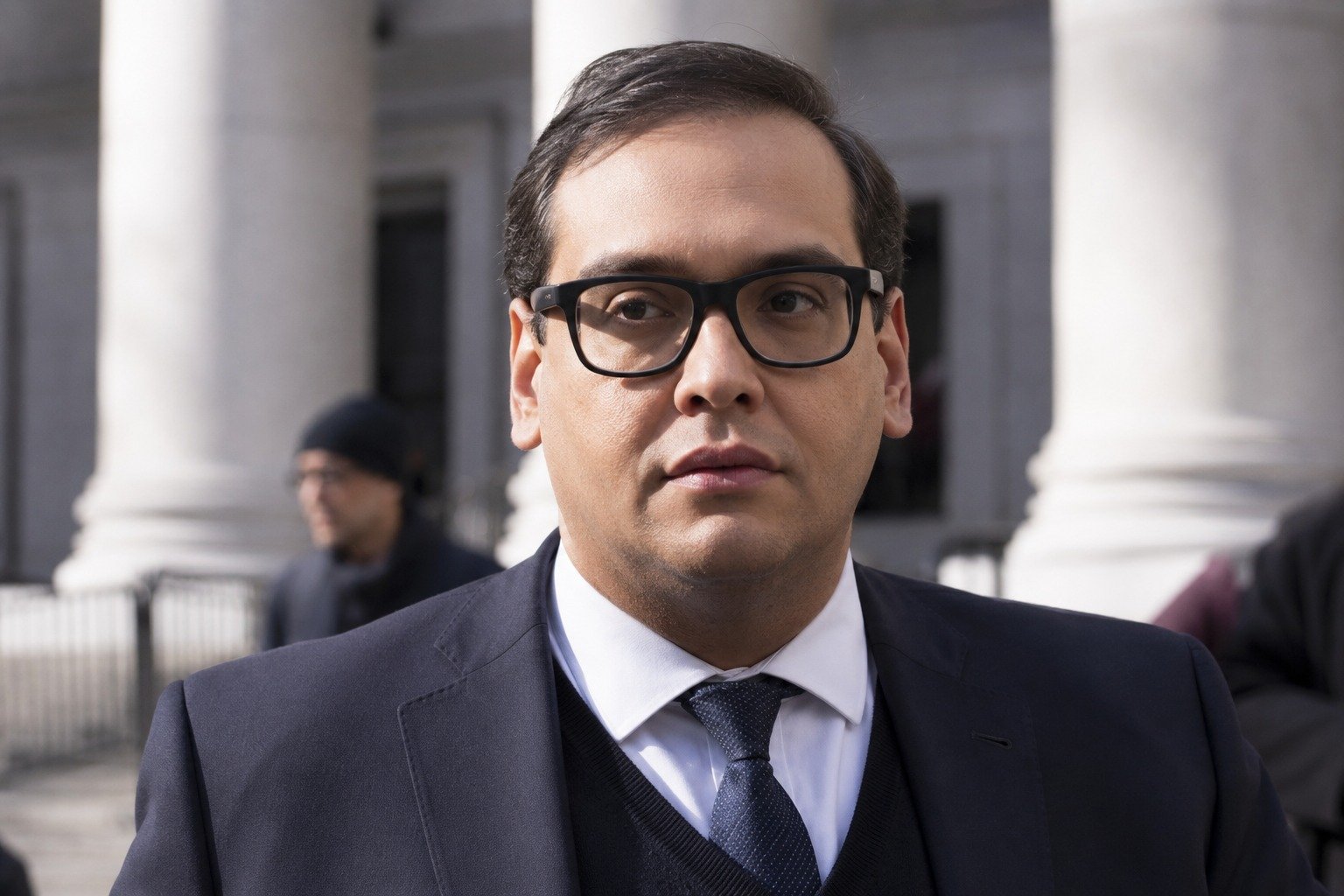
Former U.S. Representative George Santos is once again at the center of a federal inquiry — this time over a bet he allegedly placed against his own attendance at President Donald Trump’s State of the Union address. The prediction marketplace Kalshi has reported Santos to the Department of Justice after detecting a pattern of suspicious trades tied to the February 24 speech, and it has also notified the Commodity Futures Trading Commission.
How a Betting Market Ended Up Talking to Prosecutors
Kalshi is one of a new wave of regulated prediction platforms where users can wager real money on the outcomes of real-world events — elections, economic data, and, increasingly, the behavior of public figures. One of the markets ahead of the State of the Union asked a simple question: would George Santos actually show up?
It was a reasonable thing to bet on. Santos had spent weeks publicly insisting he would attend. On the eve of the address, the market reflected that confidence, pricing his odds of attending at roughly 75 percent. Then, according to the platform, something unusual happened in the trading data — wagers that bet against his attendance, placed in a way that caught the company’s compliance systems.
The Timeline That Raised Red Flags
The sequence is what investigators are now examining. Santos talked up his attendance. The market priced it as likely. And then, minutes into Trump’s speech, Santos posted on X that he had been held up at the airport and would not be able to make it after all.
To Kalshi, that looked less like bad luck and more like a person trading on information only he could have known for certain: his own intentions. The Commodity Futures Trading Commission, which oversees these markets, has pledged to crack down on insider-style activity on prediction platforms as they grow in popularity and dollar volume. A referral from a marketplace to federal regulators is a significant escalation, even if it is only a first step.
A Familiar Name in an Unfamiliar Kind of Case
For Santos, the scrutiny is the latest chapter in an extraordinary fall from grace. He was elected to Congress in 2022, then saw his fabricated biography unravel publicly. He was convicted of fraud, expelled from the House of Representatives, and appeared headed for a lengthy prison term — until Trump granted him clemency just four months ago.
That clemency is part of what makes the current situation so striking. A man who was given a second chance after a fraud conviction is now facing questions about whether he tried to profit from a different kind of deception — one measured not in resume lines but in betting odds.
What Happens Next
Important to note: Santos has not been charged with any crime. A referral is not a conviction, and there is a meaningful legal distinction between a market flagging unusual activity and prosecutors proving intent. Whether the DOJ or the CFTC pursues the matter further remains to be seen, and Santos may well argue that betting on his own well-publicized plans broke no rules at all.
The case also lands at a moment when prediction markets are exploding in size and reach. Regulators are still defining where the lines are. If a public figure can wager on his own actions, where does ordinary speculation end and insider trading begin? Santos may end up being an early test case for exactly that question.
What This Means for Americans
As prediction markets move into the mainstream, more Americans are putting money on outcomes that public figures can influence. The Santos referral is a preview of the kind of fights that are coming: who gets to bet, on what, and what happens when the person placing the wager is also the person who controls the result. The answers will shape how trustworthy these fast-growing platforms turn out to be.
Stay informed on the stories that matter most. Follow Your Daily Updates on Facebook and bookmark yourdailyupdates.news for breaking news and analysis.