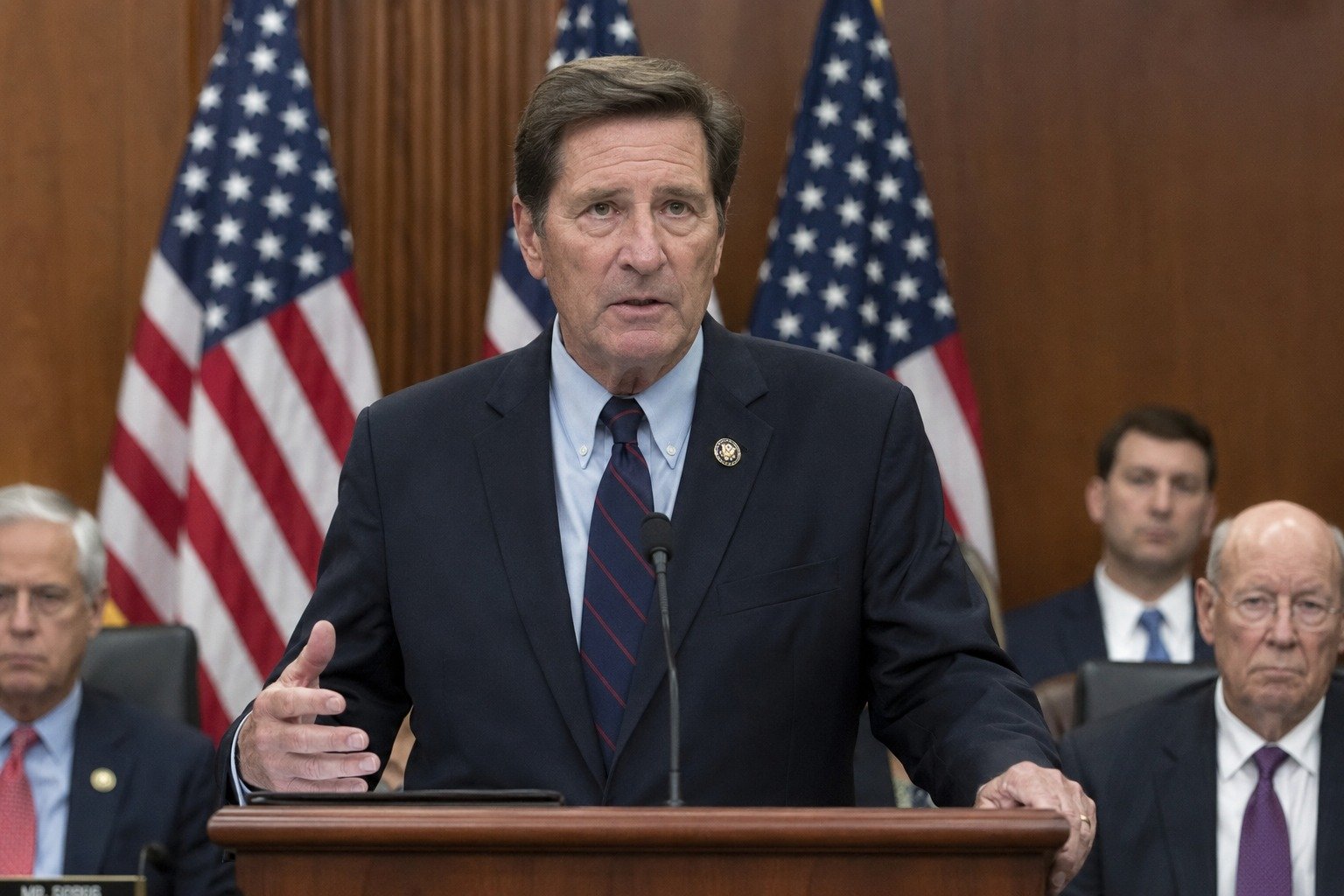
A senior House Democrat is drawing a hard line over where military money should go – and it does not include a ballroom at the White House. Rep. John Garamendi of California, a senior member of the House Armed Services Committee, has introduced an amendment to the annual defense authorization bill that would bar at least $150 million in Pentagon funds from being spent on President Donald Trump’s new White House ballroom.
The project sits on the site of the former East Wing, which was demolished to make way for the new construction. Garamendi’s proposal aims to keep defense dollars from being redirected toward it.
"Defense Dollars Should Be Spent On Our Service Members"
Garamendi framed his amendment in plain terms. "Defense dollars should be spent on our service members," he said, "not on a White House ballroom." The message is designed to be difficult to argue against: the money in the defense budget, he contends, exists to support the men and women in uniform and the readiness of the armed forces – not to finance a construction project at the president’s residence.
For a lawmaker who has spent years on the House Armed Services Committee, the pitch leans on a familiar priority. Service members and their families routinely contend with tight budgets, housing challenges, and stretched resources. Against that backdrop, Garamendi is asking why any portion of Pentagon funding should flow toward a ballroom at all.
A Proposal, Not A Done Deal
It is important to be precise about what this is. Garamendi’s measure is a proposed amendment to the National Defense Authorization Act – not enacted law. Before it could take effect, it would need to clear the committee process and survive a floor vote as part of the broader defense package. In the current Congress, its odds are far from certain.
Amendments like this one frequently serve two purposes at once. They attempt to change policy, and they force a specific question onto the public record. Even if the measure does not ultimately make it into the final bill, it compels members to take a position on whether military appropriations should ever be used for a project like the White House ballroom.
Why It Matters
The fight over $150 million is small relative to the overall size of the defense budget, but the symbolism is larger. By tying the ballroom to the defense bill, Garamendi is reframing a construction story as a question about priorities: troops versus a ballroom, readiness versus renovation.
That framing is likely to resonate with voters who believe military spending should stay tightly focused on personnel and defense needs. It also puts colleagues on both sides of the aisle in the position of publicly explaining their vote.
For now, the amendment remains a proposal working its way through the legislative process. Whether it becomes part of the final defense package or not, it has already succeeded in putting a pointed question on the table about where the nation’s military dollars are supposed to go.