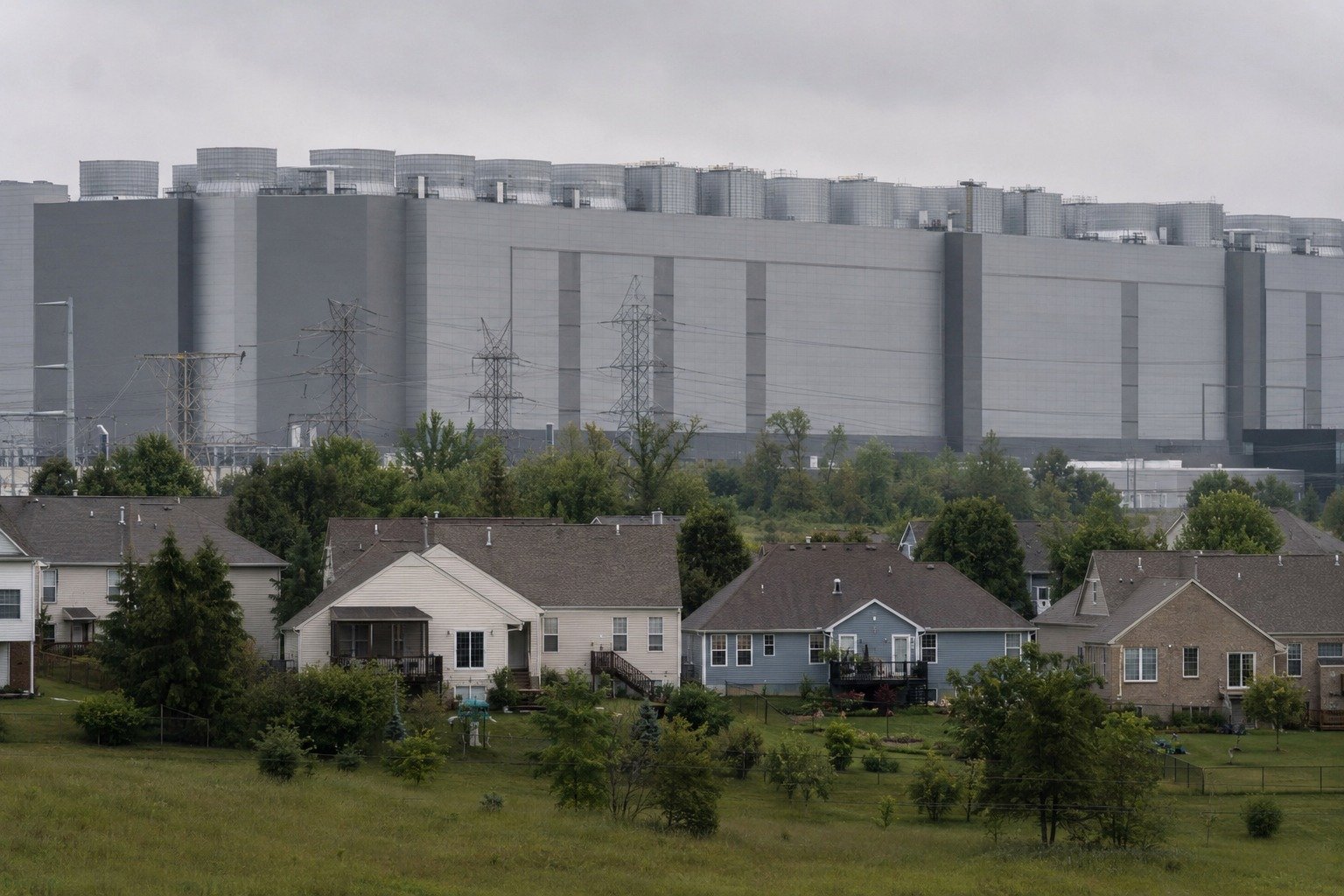
Most Americans don’t want an AI data center built where they live. A new Gallup poll, conducted March 2 through March 18, 2026, among 1,000 U.S. adults, found that 70% oppose the construction of an AI data center in their local area – and nearly half of the country, 48%, said they strongly oppose it.
That is not a narrow split. It is a broad, cross-cutting wall of resistance to one of the fastest-growing forms of industrial development in the country, and it puts ordinary residents on a collision course with some of the most powerful and well-funded companies in the world.
A Sharp, Fast Rise in Opposition
What makes the Gallup finding striking is not just the size of the opposition but how quickly it has grown. As recently as late 2025, a separate survey put opposition to nearby data centers at 47%. In a matter of months, that figure climbed to 70%. Public sentiment on these projects is hardening – and fast.
For perspective, Gallup found that opposition to AI data centers now exceeds opposition to building nuclear power plants nearby, which sits at 53%. In other words, Americans are now more wary of having a server farm next door than a nuclear reactor. For an industry that has spent years assuring communities that data centers are clean, quiet, and good for the local economy, that is a remarkable reversal.
Why People Are Pushing Back
The objections are not abstract. According to Gallup, opponents most often cite environmental concerns – and two in particular keep surfacing: water and electricity. AI data centers are enormous consumers of both. They draw vast amounts of power to run racks of servers around the clock, and they pull huge volumes of water to keep that hardware cool.
For a community, that can translate into strain on the local power grid, pressure on water supplies, and the prospect of higher utility costs – all while the promised payoff, local jobs, often turns out to be modest once a facility is up and running. A data center the size of several football fields might employ only a few dozen permanent workers.
Layered on top of that is a sense of process. In many towns, residents feel the projects arrived as done deals – negotiated quietly between developers and local officials, with the public given little real say until the bulldozers were nearly on site. The Gallup numbers suggest that frustration has now gone national.
A Defining Local Fight of the AI Era
The result is a growing wave of local resistance. Across the country, residents are showing up to zoning hearings and town hall meetings, demanding answers about water use, power draw, noise, and property values – and increasingly refusing to be steamrolled. What was once treated as an unstoppable buildout is now being slowed, delayed, and in some cases blocked outright by neighbors who simply do not want the trade-off.
This is shaping up to be one of the defining local fights of the AI era: billion-dollar technology companies that need somewhere to build, against the neighborhoods being asked to absorb the environmental and infrastructure costs. The Gallup poll makes clear which side the public is on.
What This Means for Americans
For everyday residents, the takeaway is that community pushback is no longer a fringe position – it is the majority view. When 70% of the country opposes a type of development and nearly half feels strongly about it, local officials weighing these projects are increasingly out of step with their own constituents if they wave them through. The question communities are now asking is simple: who benefits, who pays, and who gets a seat at the table before the deal is signed.
Stay informed on the stories that matter most. Follow Your Daily Updates on Facebook and bookmark yourdailyupdates.news for breaking news and analysis.