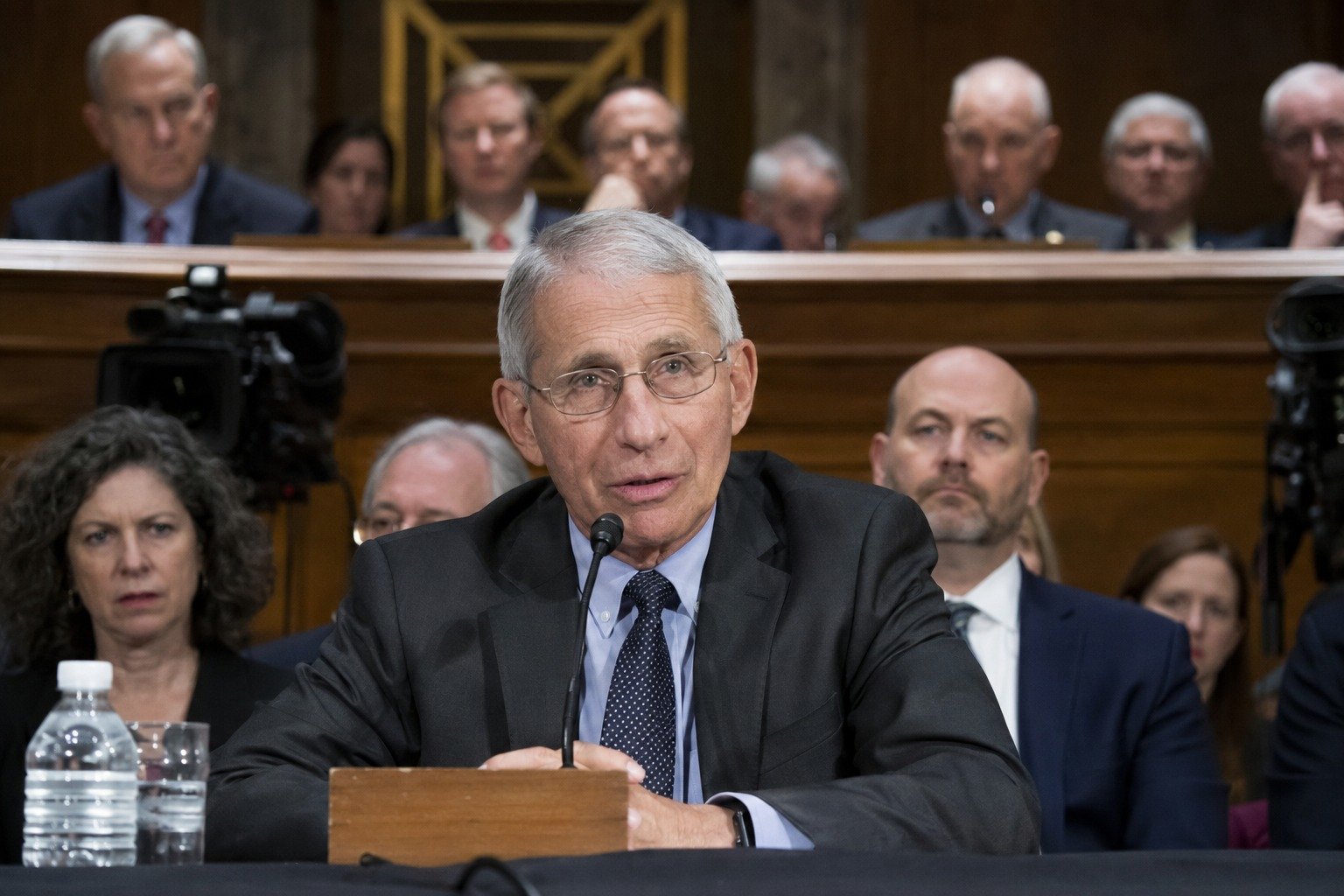
Dr. Anthony Fauci refused to answer questions at a combative Senate hearing on Wednesday, repeatedly invoking his Fifth Amendment right as Sen. Rand Paul pressed him on the origins of COVID-19. By the time the gavel fell, Fauci had called Paul “unhinged” to his face, and Paul was openly threatening to push his committee toward a contempt vote.
A Years-Long Feud Comes to a Head
Paul chairs the Senate Homeland Security and Governmental Affairs Committee, and Wednesday’s session was the latest round in a bitter, personal fight that has stretched on for years. As chair, Paul has used the committee to reexamine how the pandemic began and to scrutinize U.S. research funding, casting Fauci — who helped lead the federal response to COVID-19 — as the central figure in that story.
Fauci and his allies have long dismissed the investigation as a political spectacle rather than a genuine search for answers. Wednesday, that frustration boiled over in public. Rather than spar over each question, Fauci chose to say almost nothing at all — declining, again and again, to respond.
What Pleading the Fifth Actually Means
It is worth being precise about what happened. Invoking the Fifth Amendment is a constitutional right that protects any American from being compelled to testify against themselves. It is not an admission of wrongdoing, and courts have long warned against treating it as one. Witnesses plead the Fifth for many reasons, including a belief that a proceeding has become adversarial or politically charged.
That distinction matters here, because the reactions came fast and loud. Critics framed Fauci’s silence as an evasion. Supporters framed it as a reasonable response to a hearing they see as designed to produce a viral moment rather than facts. Both readings will now compete for attention.
Inside the Hearing Room
Seated at the witness table, Fauci met a barrage of questions about the pandemic’s origins with the same measured refusal. When the exchanges grew heated, he broke his silence only to hit back at the chairman directly, calling Paul “unhinged.” The remark instantly became the defining image of the day.
Paul, for his part, made clear he was not finished. He signaled that Fauci’s refusal to answer could trigger a contempt vote inside the committee — a formal escalation that would deepen an already toxic standoff and set up another round of legal and political conflict.
What Happens Next
A contempt vote would not settle the underlying dispute; it would sharpen it. Such a move would force other members of the committee to take a public side, and it would push the fight beyond the hearing room and into a broader argument about how far Congress can go to compel testimony from a former official who has chosen to stay silent.
What This Means for Americans
Underneath the personal clash is a real question about accountability and how it should work. Americans deserve a credible, fact-driven accounting of how a pandemic that upended their lives began. But they are also entitled to expect that oversight is aimed at answers, not at scoring points. When a hearing collapses into insults and a threatened contempt vote, the public is left to wonder whether this is genuine investigation — or a years-old grudge playing out on camera at taxpayer expense.
Stay informed on the stories that matter most. Follow Your Daily Updates on Facebook and bookmark yourdailyupdates.news for breaking news and analysis.