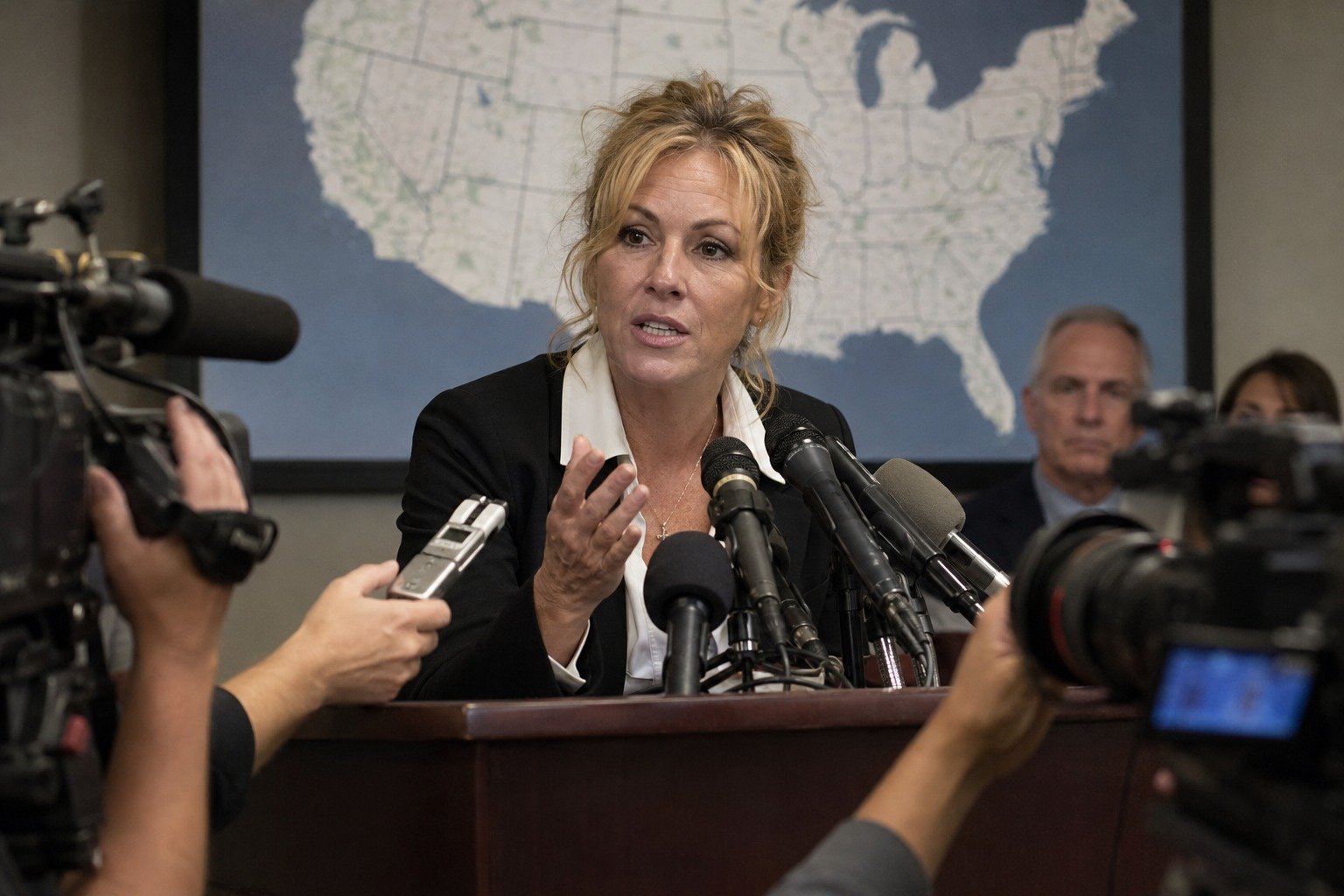
The woman who once took on a billion-dollar utility company and won is back with a new fight – and this time her target is the AI boom reshaping the American landscape. Erin Brockovich has launched an interactive online map at brockovichdatacenter.com that invites ordinary people to report what is happening with data centers in their own communities, and the response has been immediate.
Within the first week, more than 1,800 reports poured in from 47 states. As of late May 2026, communities had flagged concerns at 2,716 locations across the country. The map overlays major AI data centers – both operational and under construction – against the places where residents say they are already feeling the impact.
Why Brockovich Is Stepping In
Brockovich built her reputation decades ago by exposing contaminated groundwater in a small California town, a case that became a household name. Now she is applying that same playbook to one of the fastest-moving infrastructure stories in the country. Her message is direct: the infrastructure powering artificial intelligence should not come at the expense of the people living next to it.
The AI build-out has accelerated at a staggering pace. Tech companies are racing to construct massive computing facilities to train and run AI models, and those facilities need to go somewhere. Increasingly, that somewhere is rural towns and suburban edges where land is cheap and communities have little say in the approval process.
The Concerns Driving the Map
Brockovich has laid out a list of concerns that she says communities deserve answers on. The first is power. Data centers require enormous amounts of electricity, which means added pressure on already-strained grids and, in many regions, increased demand for fossil fuels to keep up.
The second is water. Many of these facilities consume staggering volumes of water to keep their servers cool – a flashpoint in drought-prone areas where every gallon counts. On top of that, the centers generate electronic waste and, critics note, create very few permanent local jobs once the construction crews leave. A facility might employ hundreds during the build, then a few dozen to run it.
The map is designed to make those trade-offs visible. By collecting reports directly from residents, it turns scattered local complaints into a national picture – one that policymakers and companies can no longer easily ignore.
Supporters and Critics
Supporters say Brockovich is giving residents a voice they never had against some of the most powerful technology companies on earth. For many small towns, a data center proposal arrives fully formed, backed by lawyers and lobbyists, and approved before most people even know it is coming. A tool that lets neighbors compare notes across state lines changes that dynamic.
Critics counter that these facilities are the backbone of modern technology and the economy of the future. Slowing them down, they argue, means falling behind in a global race for AI dominance – and the jobs, investment, and tax revenue that come with it. The debate cuts across the usual political lines, with concerns about land, water, and local control resonating with people on both the left and the right.
What This Means for Americans
For millions of Americans, the question is no longer abstract. The AI data center boom is arriving in real neighborhoods, and the decisions being made now will shape utility bills, water supplies, and local landscapes for years. Brockovich is betting that if people can see what is being built near them – and report it – the conversation shifts from boardrooms to kitchen tables. Her closing question to the public is blunt: do you know what is being built near you, and who is paying the real price for it?
Stay informed on the stories that matter most. Follow Your Daily Updates on Facebook and bookmark yourdailyupdates.news for breaking news and analysis.