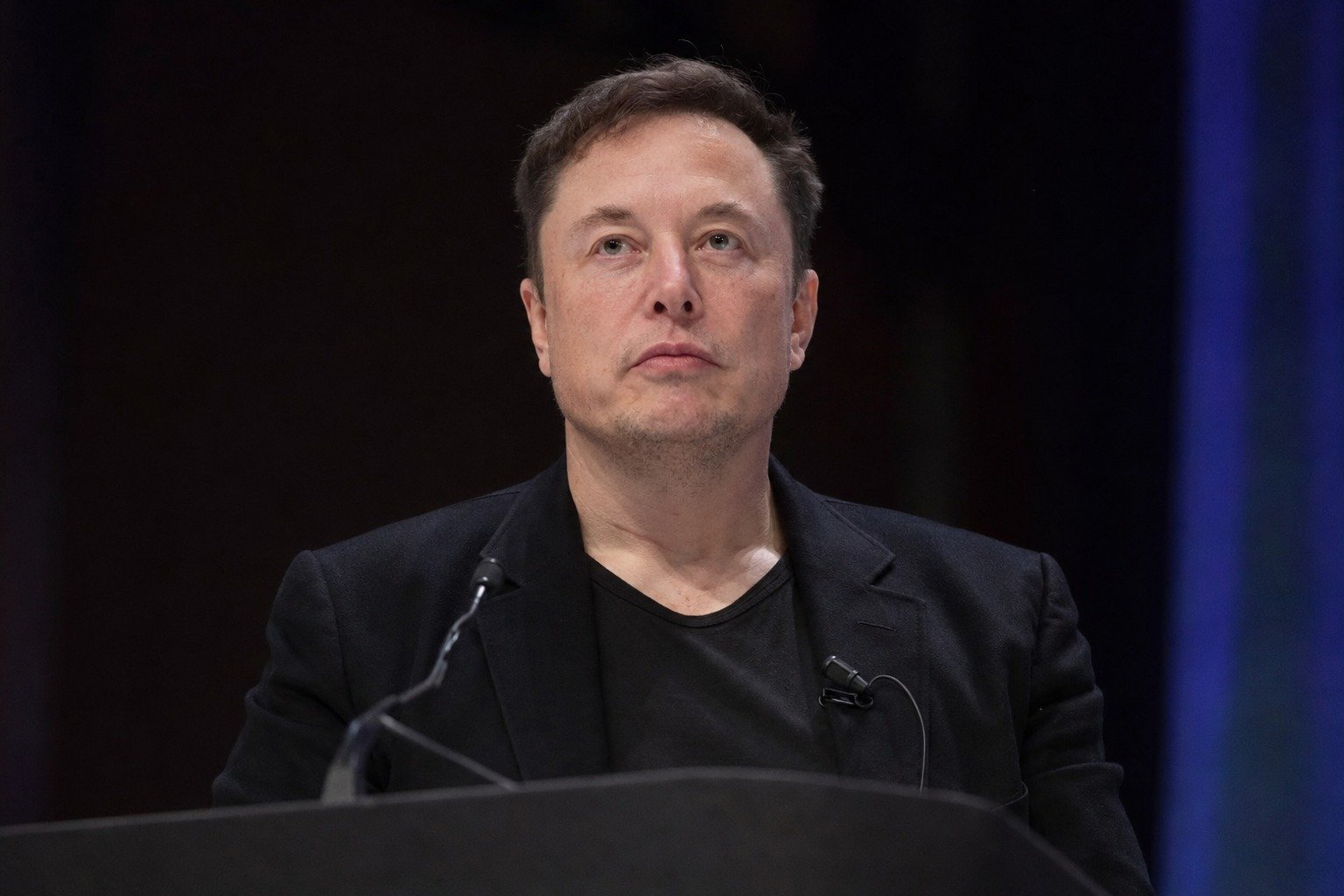
In late 2021, Elon Musk made a public offer that put the spotlight squarely on accountability: he said he would sell Tesla stock and put roughly $6 billion toward ending world hunger, but only if the United Nations could publicly show, in detail, exactly how the money would be spent. The UN met his condition with a detailed plan. The $6 billion never came.
How the Challenge Started
The exchange began when David Beasley, then the head of the UN World Food Programme (WFP), argued that a relatively small slice of the fortunes held by the world’s richest people could make a real dent in global hunger. He pointed to a figure of around $6 billion as an amount that could help address a crisis affecting tens of millions of people facing acute food insecurity.
Musk, at the time the wealthiest person in the world, responded on Twitter. His reply was pointed: if the WFP could describe on that very thread exactly how $6 billion would solve world hunger, he would sell Tesla stock right then and do it. Crucially, he attached a condition of radical transparency – the accounting had to be open and public, he said, so that anyone could see precisely how every dollar was spent.
The UN Took Him Up On It
Rather than dismiss the tweet as bluster, the World Food Programme treated it as a genuine offer. Within weeks, the agency published a detailed plan laying out how the money would be used. The proposal described feeding roughly 42 million people across dozens of countries who were, in the WFP’s assessment, at risk of starvation.
The plan was broken down line by line. It allocated billions for food procurement and delivery, a large share for cash and food vouchers, hundreds of millions for country-specific programs designed to build longer-term resilience, and a portion for administration, oversight, and logistics. In short, the UN did exactly what Musk had asked: it showed its work, in public, for the world to scrutinize.
The Money That Never Arrived
Then the story quietly stalled. The $6 billion donation to the World Food Programme never materialized. Around that same period, Musk did move an enormous amount of Tesla stock – billions of dollars’ worth – but public records and later reporting indicated it went to his own Musk Foundation rather than to the UN’s hunger effort.
That distinction matters. A private foundation operates under far less public scrutiny than the open-book accounting Musk had demanded of the UN. Reporting on the Musk Foundation during that stretch showed it holding billions in assets while distributing only a small fraction to charitable causes in a given year – and with nothing close to the dollar-by-dollar transparency he had insisted upon when challenging the WFP.
The Accountability Gap
What makes the episode worth revisiting is not simply that a promise went unkept. It is that the promise was built entirely on the idea of accountability – and then was measured against the very standard its author had set. Musk asked the UN to prove itself in public. The UN did. The follow-through did not.
Supporters have argued that a single tweet is not a binding contract, and that the WFP’s figure was always a starting point for a larger conversation about how to fund hunger relief. Critics counter that when one of the most powerful voices on the planet dangles billions in front of a starving population and then walks away, the gap between words and action becomes a public matter – not a private one.
What This Means for Americans
The exchange is a reminder that headline-grabbing pledges from the ultra-wealthy deserve the same scrutiny they demand of everyone else. Transparency cuts both ways. When a billionaire calls for open accounting as the price of his generosity, the public is entitled to ask whether his own giving meets that bar. The hunger crisis that prompted the whole exchange has not gone away – and neither have the questions about who is accountable for solving it.
Stay informed on the stories that matter most. Follow Your Daily Updates on Facebook and bookmark yourdailyupdates.news for breaking news and analysis.