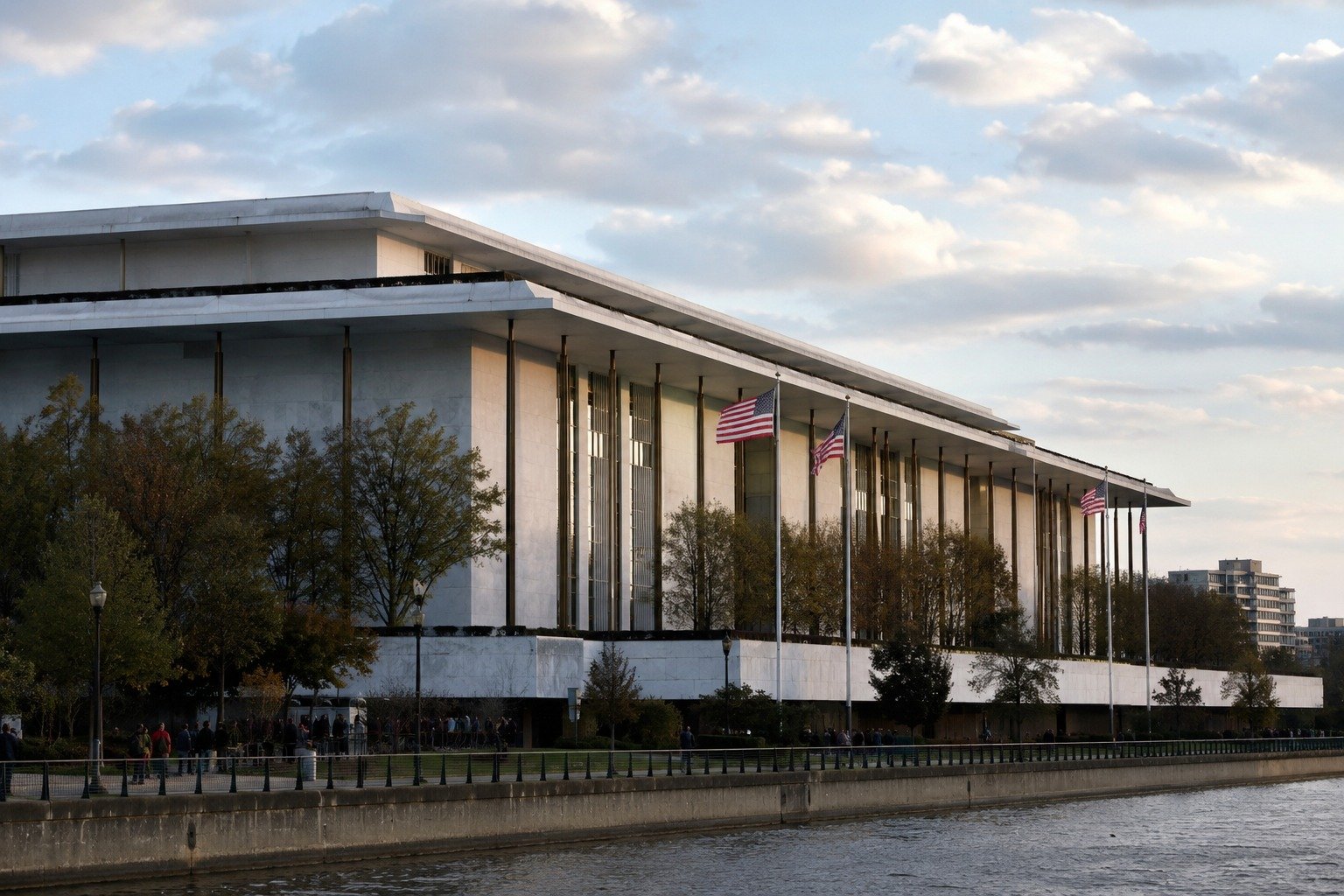
A federal judge ordered President Donald Trump’s name removed from the Kennedy Center by June 12, 2026. With just hours left before that deadline, the Department of Justice filed a notice of appeal — a last-minute move that freezes the order and keeps the name in place while the case heads to a higher court.
U.S. District Judge Christopher Cooper issued the ruling directing that Trump’s name come down from the storied performing arts complex on the banks of the Potomac River in Washington, D.C. Rather than comply by the court-set deadline, the administration’s lawyers chose to escalate, asking an appeals court to step in and reverse the decision.
A Deadline Met With an Appeal, Not Compliance
The timing is impossible to miss. A notice of appeal does more than signal disagreement — in practice, it can pause the underlying order while the appellate process plays out. By filing in the narrow window before the deadline, the Justice Department effectively ensured that the name would stay put, at least for now, instead of coming down on the date the court had specified.
That procedural choice transforms what could have been a quiet compliance into a prolonged legal fight. Appeals can take months, sometimes longer. For supporters of the original ruling, the maneuver looks like a way to run out the clock. For the administration, it is a defense of what it views as a legitimate honor that a single judge should not be able to strip away.
The Kennedy Center at the Center of the Fight
The John F. Kennedy Center for the Performing Arts is one of the nation’s most recognizable cultural institutions — a living memorial to a former president and a hub for theater, music, and dance that draws millions of visitors. Questions about whose name belongs on it, and who gets to decide, carry weight well beyond the building itself.
At its core, the dispute is about whether a sitting president’s name should be affixed to a prominent public landmark, and whether the courts can order it removed. The case has drawn coverage from major outlets including ABC News, CNN, The Washington Post, and Axios, reflecting how closely the standoff is being watched.
Taxpayer Resources and the Bigger Debate
There is also the matter of where the effort is being directed. The Justice Department — funded by taxpayers — is now committing legal resources to keep one man’s name on the institution. To critics of the appeal, that is a striking allocation of public muscle to protect a personal honor. To defenders of the administration, it is a routine and proper exercise of the right to appeal a ruling they believe is wrong.
Supporters of Judge Cooper’s order argue that public landmarks shouldn’t be turned into personal monuments, and that the name’s placement was improper to begin with. Critics of the ruling counter that the judge overstepped, and that decisions about honoring public figures belong to elected officials and the political process — not the bench.
What This Means for Americans
For everyday Americans, the fight is a window into how power is exercised and contested. It raises a basic accountability question: when a court issues an order, should the federal government comply — or use the appeals process to keep things as they are until a higher court weighs in? How that question gets answered here could shape expectations far beyond one building’s signage.
For now, the name stays — not because the deadline passed quietly, but because the DOJ raced to court to make sure it did. The appeal means this won’t be settled for a while, and both sides appear ready for a long contest.
Stay informed on the stories that matter most. Follow Your Daily Updates on Facebook and bookmark yourdailyupdates.news for breaking news and analysis.