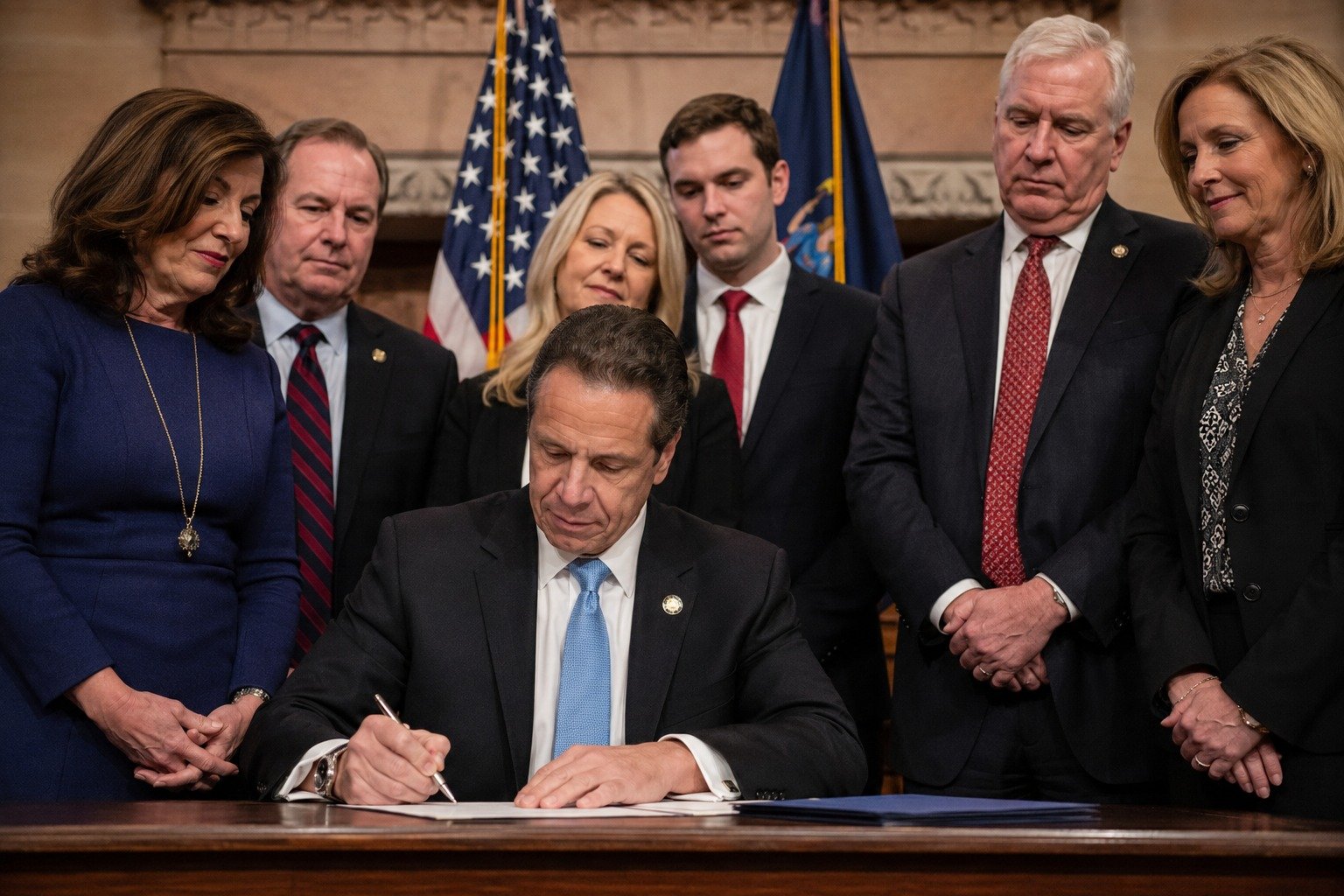
Connecticut has drawn a hard line on where federal immigration agents can operate inside the state. On May 4, 2026, Governor Ned Lamont signed Senate Bill 397 into law, creating a roster of “protected areas” where Immigration and Customs Enforcement must obtain a judicial warrant — one signed by an actual judge — before carrying out a civil immigration arrest.
What the Law Actually Does
The distinction at the heart of SB 397 is a technical one with major real-world consequences. ICE routinely operates using administrative warrants — paperwork the agency issues itself, without a judge’s review. SB 397 says that inside designated protected areas, that is no longer enough. Agents need a judicial warrant, signed by a judge based on probable cause, to make a civil arrest there.
The list of protected areas is broad. It covers schools from preschool through university, licensed hospitals and urgent care centers, houses of worship, food banks, homeless shelters, domestic violence shelters, child care facilities, school bus stops, playgrounds, and disaster relief sites. The goal, supporters say, is to keep people from avoiding essential services — a doctor’s visit, a church service, dropping a child at school — out of fear of being detained.
More Than Just Warrants
The protected-areas provision is the headline, but the law goes considerably further. SB 397 creates a civil cause of action allowing Connecticut residents to sue federal law enforcement agents for constitutional violations — a framework modeled on the federal Section 1983 statute but extended to reach federal officers. It also restricts how automated license plate reader data can be used, barring its use for immigration enforcement and limiting how long that data can be retained to 21 days. And it bans federal officers from wearing masks during enforcement actions.
The protected-areas requirement does not take effect immediately. That provision is scheduled to begin on October 1, 2026, while most of the other measures took effect as soon as the governor signed the bill.
How the Vote Broke Down
The bill passed the Connecticut House 91-53 and cleared the Senate 24-10 — largely along party lines. Not a single Republican lawmaker voted for it in either chamber. The split underscored just how sharply the two parties divide on the proper boundary between state authority and federal immigration enforcement.
Supporters and Critics
Governor Lamont framed the law as a commonsense protection of constitutional rights. “The people of Connecticut should not fear for their safety when visiting hospitals, schools, and religious and government buildings,” he said, describing the measures as safeguards against federal overreach.
Republicans saw it very differently. Critics predicted the law would be challenged in court and ultimately struck down, arguing that states cannot dictate how federal immigration enforcement operates and that the Constitution’s Supremacy Clause places federal officers beyond the reach of this kind of state regulation. Some warned the new liability provisions could expose officers to lawsuits and complicate everyday law enforcement.
What This Means for Americans
For Connecticut residents, the immediate effect is a new set of legal protections at the places people use most — schools, hospitals, and houses of worship. But the bigger story is the constitutional showdown it sets up. If the law is challenged, the courts will be asked to draw a clearer line between where a state’s power ends and federal authority begins. That answer could ripple far beyond Connecticut, shaping how other states attempt to regulate federal enforcement in the years ahead.
Stay informed on the stories that matter most. Follow Your Daily Updates on Facebook and bookmark yourdailyupdates.news for breaking news and analysis.