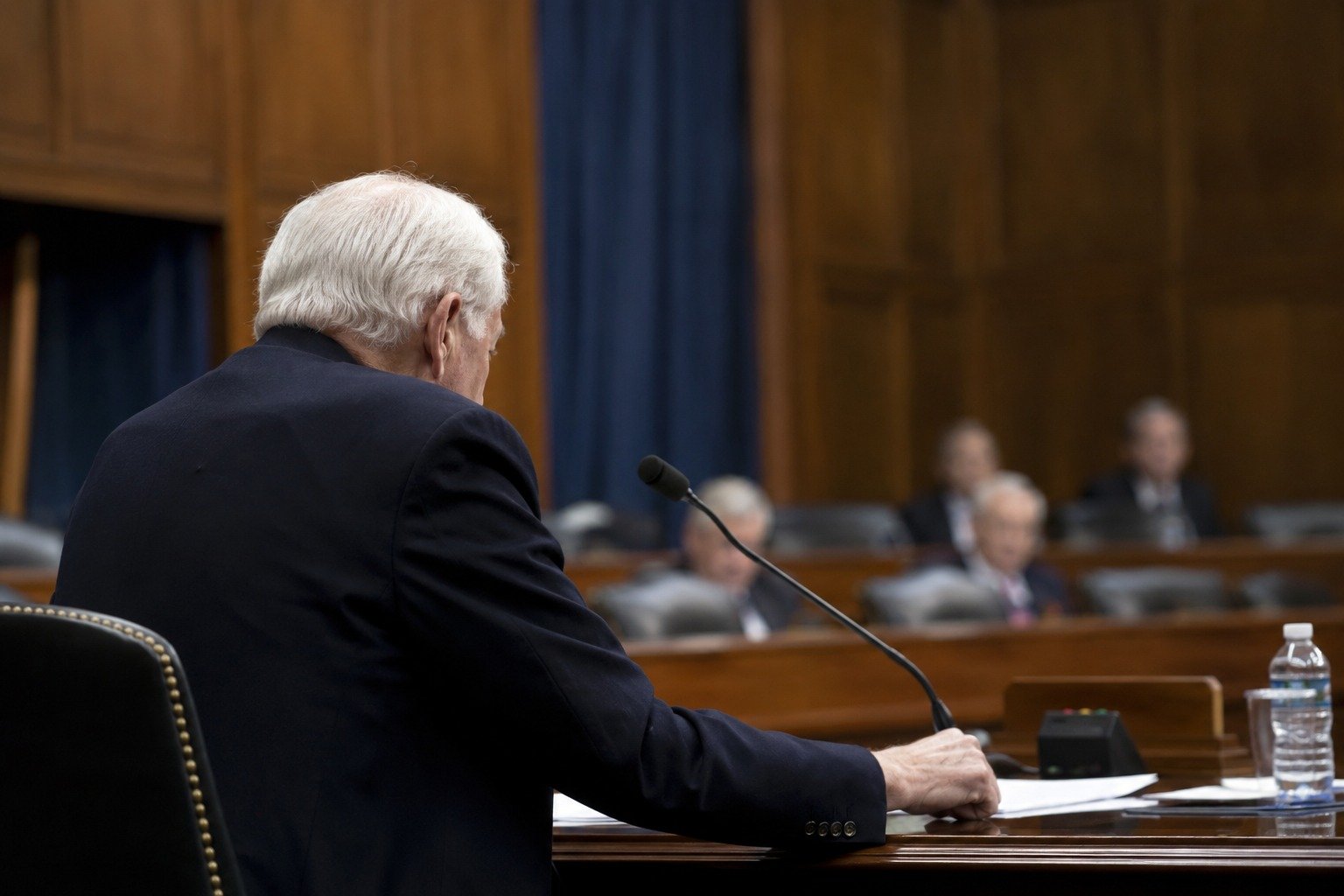
The debate over how old is too old to serve in Congress is moving from cable-news chatter to the legislative floor. A proposal circulating on Capitol Hill would require aging members of Congress to pass a cognitive or mental-fitness screening to keep holding office — and it is forcing both parties to confront an uncomfortable question.
Why This Is Coming Up Now
The average age of American lawmakers is near record highs. Several sitting members are now in their 80s, and high-profile moments of confusion, long absences for health reasons, and visible decline have repeatedly put the issue in the spotlight. Voters across the political spectrum have started asking the same thing: if the people writing the nation’s laws are making decisions that affect 330 million Americans, shouldn’t there be some baseline check that they are still up to the job?
The idea is not entirely new. In recent years, lawmakers from both parties have floated versions of cognitive-screening requirements, and at least one measure aimed at creating a fitness standard for members reached committee before stalling. The concept keeps resurfacing because the underlying concern is not going away — the demographics of Congress are trending older, not younger.
What The Proposal Would Do
At its core, the proposal would establish a clear, neutral standard to confirm that a sitting lawmaker can still perform the duties of the office. Supporters frame it as no different from the routine evaluations already required in other high-stakes professions. Commercial airline pilots face mandatory medical and cognitive checks as they age. Surgeons, long-haul truck drivers, and many licensed professionals undergo periodic assessments. The argument is simple: why should the people with their hands on the levers of federal power be the only ones who never have to demonstrate they remain capable?
Under the framework being discussed, the screening would apply to members above a certain age rather than singling out any one individual. Backers stress that the goal is accountability, not humiliation — a standard applied evenly to everyone, regardless of party.
The Case For — And Against
Supporters say voters deserve confidence that their representatives are mentally sharp enough to do the work. With age-related decline a real and documented phenomenon, they argue that checking for it is a fair and reasonable safeguard, not an insult to anyone’s dignity.
Critics push back hard. They warn that a mandatory test could be weaponized by whichever party holds the majority, turning “cognitive fitness” into a political weapon to force out rivals. They also point out that defining and fairly measuring fitness is genuinely difficult — who designs the test, who administers it, and who decides what counts as a passing score? Above all, opponents argue that voters, not an unelected screening panel, should be the ones who decide who stays in office. Elections, they say, are the cognitive test.
What It Means For Americans
Whatever side you land on, the conversation touches something every voter understands: the desire to know that the people in power can actually do the job. As more Americans question whether there should be limits tied to age or health, this debate is likely to keep returning — even if this specific proposal, like earlier efforts, never becomes law. For now, it has not been enacted, and its path forward is uncertain.
So the question lands with the public. Should there be a mental fitness test for aging members of Congress, or should that decision stay entirely with voters at the ballot box?
Stay informed on the stories that matter most. Follow Your Daily Updates on Facebook and bookmark yourdailyupdates.news for breaking news and analysis.