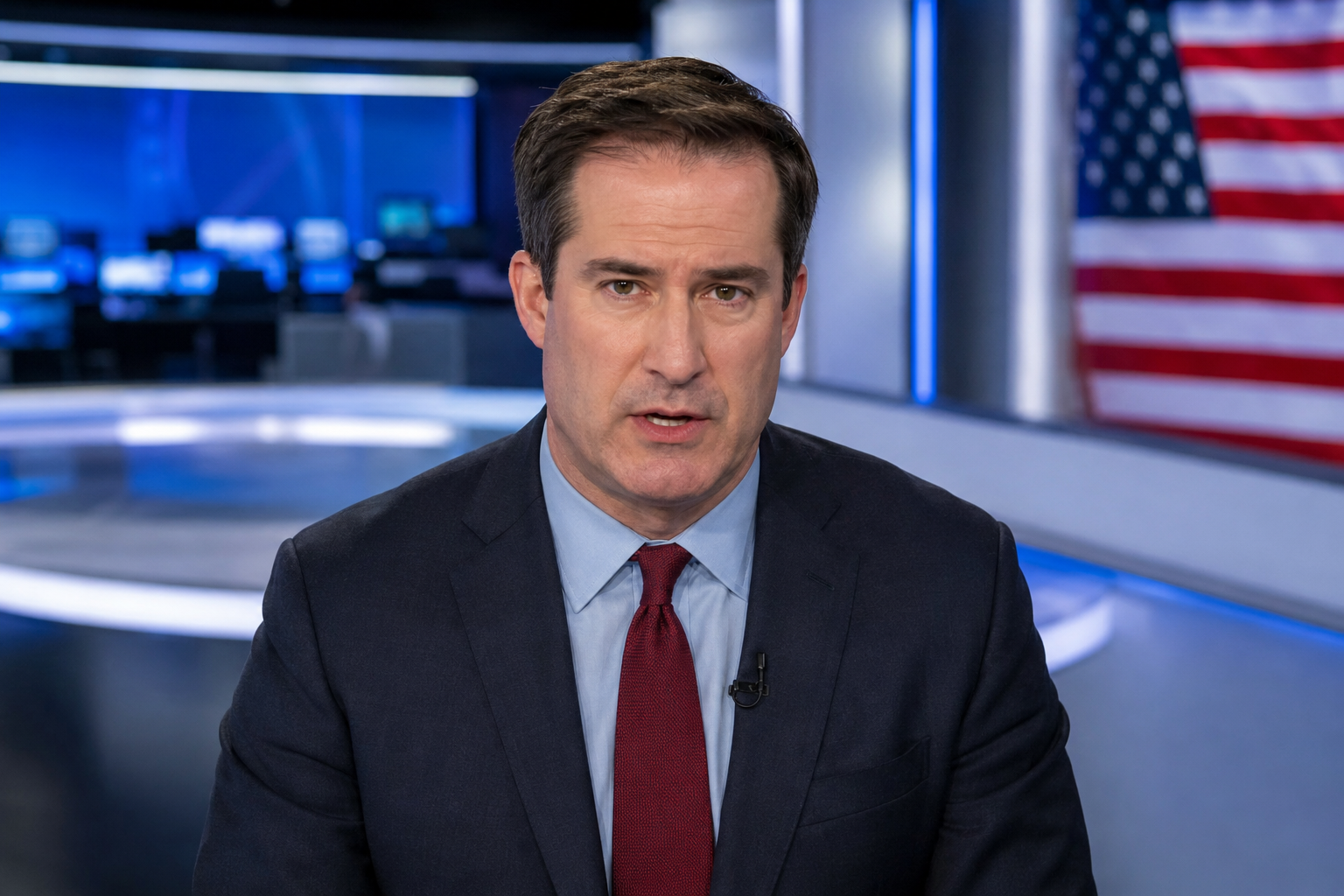
Rep. Seth Moulton, a Massachusetts congressman who served four combat tours in Iraq, appeared on CNN Thursday and leveled one of the most serious accusations ever made by a sitting U.S. lawmaker against a Cabinet secretary — accusing Defense Secretary Pete Hegseth of war crimes. Asked directly whether Hegseth was guilty, Moulton answered without hesitation: “Absolutely.”
The Accusation
Moulton, a Marine Corps veteran and member of the House Armed Services Committee, made the accusation in a live interview with anchor Erin Burnett. The claim centers on a series of U.S. military strikes conducted over recent months against vessels in the Caribbean, which the government says were targeting drug traffickers. At least 186 people were killed. The problem, according to Moulton: there was no reliable verification of who was on those boats before the strikes were ordered.
The accusation is not vague. Moulton pointed to two specific practices he says violate the laws of armed conflict. First, the absence of adequate target verification before lethal strikes were approved. Second — and more explosive — the use of “double taps”: deliberate follow-up strikes targeting survivors who were already in the water after the initial hit.
The Nuremberg Comparison
That second practice is not a gray area in international law. Striking at survivors who no longer pose a threat is a war crime — and it is not a historical abstraction. Allied nations prosecuted German naval officers for conducting near-identical operations after World War II. Some of those officers were executed. The same legal standard Moulton is invoking today was used at Nuremberg to convict men who gave or carried out orders that mirrored what Moulton says happened in the Caribbean.
“You can’t just shoot first and ask questions later when you’re talking about killing people,” Moulton said on CNN. “That’s not how the law of armed conflict works. That’s not how it works under any theory of military justice.” The accusation names Hegseth specifically — not the operational commanders, not the admiral who may have given the order — but the Secretary of Defense himself, who sits at the top of the military chain of command.
The White House Response
The Trump administration pushed back quickly. White House Press Secretary Karoline Leavitt defended the operation, saying the admiral involved was following lawful orders to eliminate a threat to American waters entirely, and that every strike was conducted within the legal authority granted for counter-narcotics operations. Pentagon officials declined to address the specific tactics used but maintained that all actions complied with applicable rules of engagement.
Legal scholars and former military JAG officers who have reviewed the publicly available information have been divided. Some say the double-tap allegation, if accurate, would be extremely difficult to defend under international law. Others caution that the full operational picture — target packages, rules of engagement, after-action assessments — has not been made public, making a definitive legal judgment premature. What is not in dispute is that 186 people are dead, and the confirmation standards used to authorize those strikes have not been disclosed.
No Investigation, No Hearing
What has not happened is as notable as what has. No congressional investigation has been announced. No Department of Defense inspector general inquiry has been opened. Hegseth has not been called to testify before the Armed Services Committee about the specific tactics used. A sitting member of Congress — one who has actually been in combat and understands the laws of war firsthand — has publicly accused the sitting Secretary of Defense of conduct that was prosecuted as a capital offense after World War II. And Washington’s response, so far, has been silence.
What This Means for Americans
The laws of war exist for a reason. They protect American service members abroad by establishing standards that other nations are expected to follow toward U.S. troops. When the United States is credibly accused of violating those same standards, it weakens the legal and moral authority to demand that others respect them. Whether this accusation triggers formal accountability — a congressional hearing, a DoD investigation, testimony under oath — or disappears into the partisan noise is a question that Americans who care about the rule of law should be pressing their representatives to answer.
Stay informed on the stories that matter most. Follow Your Daily Updates on Facebook and bookmark yourdailyupdates.news for breaking news and analysis.