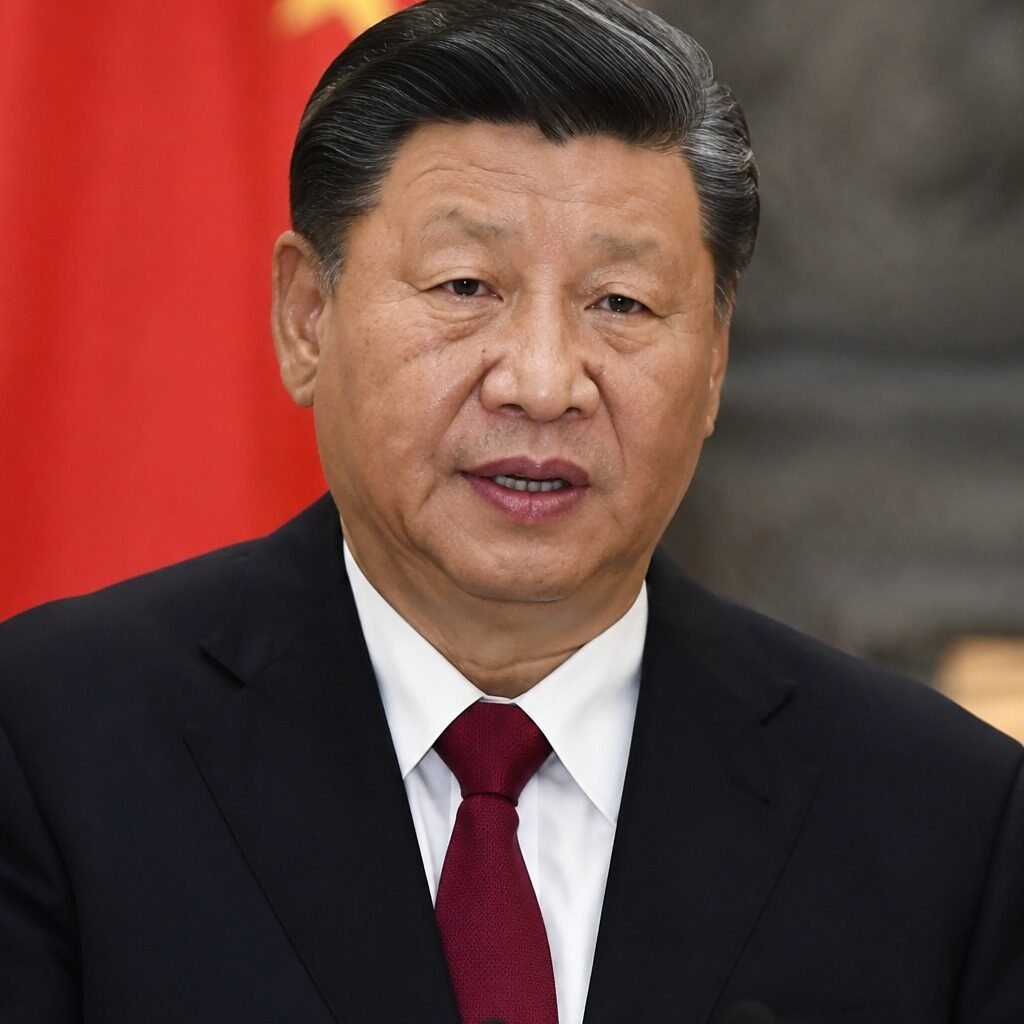
A Chinese lawyer and prominent Beijing commentator has publicly claimed that China may now be in possession of the entire unredacted Jeffrey Epstein files — and that the moment to expose them has arrived. The remarks, made by Victor Gao in a widely circulated interview, sent shockwaves through Washington and beyond, raising urgent questions about foreign intelligence access to one of the most sensitive document troves in modern American history.
Gao, who has close ties to Chinese state-aligned media and has served in senior advisory roles connected to Beijing’s foreign policy establishment, did not provide direct evidence of possession. But his framing was deliberate and pointed — suggesting China holds leverage the U.S. has long feared could fall into foreign hands.
The backdrop makes the claim even more alarming. The U.S. Department of Justice released a massive tranche of Epstein documents in January 2026 — over 3 million pages of records, more than 2,000 videos, and 180,000 images. The release was historic in scale. But significant portions of the material remain classified or heavily redacted, and the question of what foreign intelligence services may have obtained through other channels has never been fully addressed by U.S. officials.
What makes Gao’s statement particularly significant is the context already embedded in the publicly released files. FBI reporting included in the Epstein documents references alleged ties between Epstein’s network and Chinese intelligence — including discussions of artificial intelligence technology deals and espionage-related connections. If Beijing holds a more complete, unredacted version of those records, the implications for dozens of powerful public figures worldwide would be staggering.
Intelligence analysts and foreign policy experts are now interpreting Gao’s comments not as an accidental leak or a rogue statement, but as a calculated move — what one analyst described as “information warfare signaling.” In this reading, China is deliberately dangling the threat of exposure as geopolitical leverage at a moment of significant tension in U.S.-China relations. The signal: Beijing may be holding a card it has not yet played, and Washington knows it.
Whether the files actually exist in China’s possession remains unconfirmed. U.S. intelligence agencies have not publicly responded to Gao’s remarks, and no official in Beijing has followed up with a formal statement. But the warning itself is being taken seriously — not dismissed as bluster — by those who track the intersection of intelligence, geopolitics, and the Epstein case.
The central question now being asked in Washington and foreign policy circles: if China truly holds the full, unredacted Epstein files, who decides when — and whether — they get released to the world? And what would the fallout look like if they did?