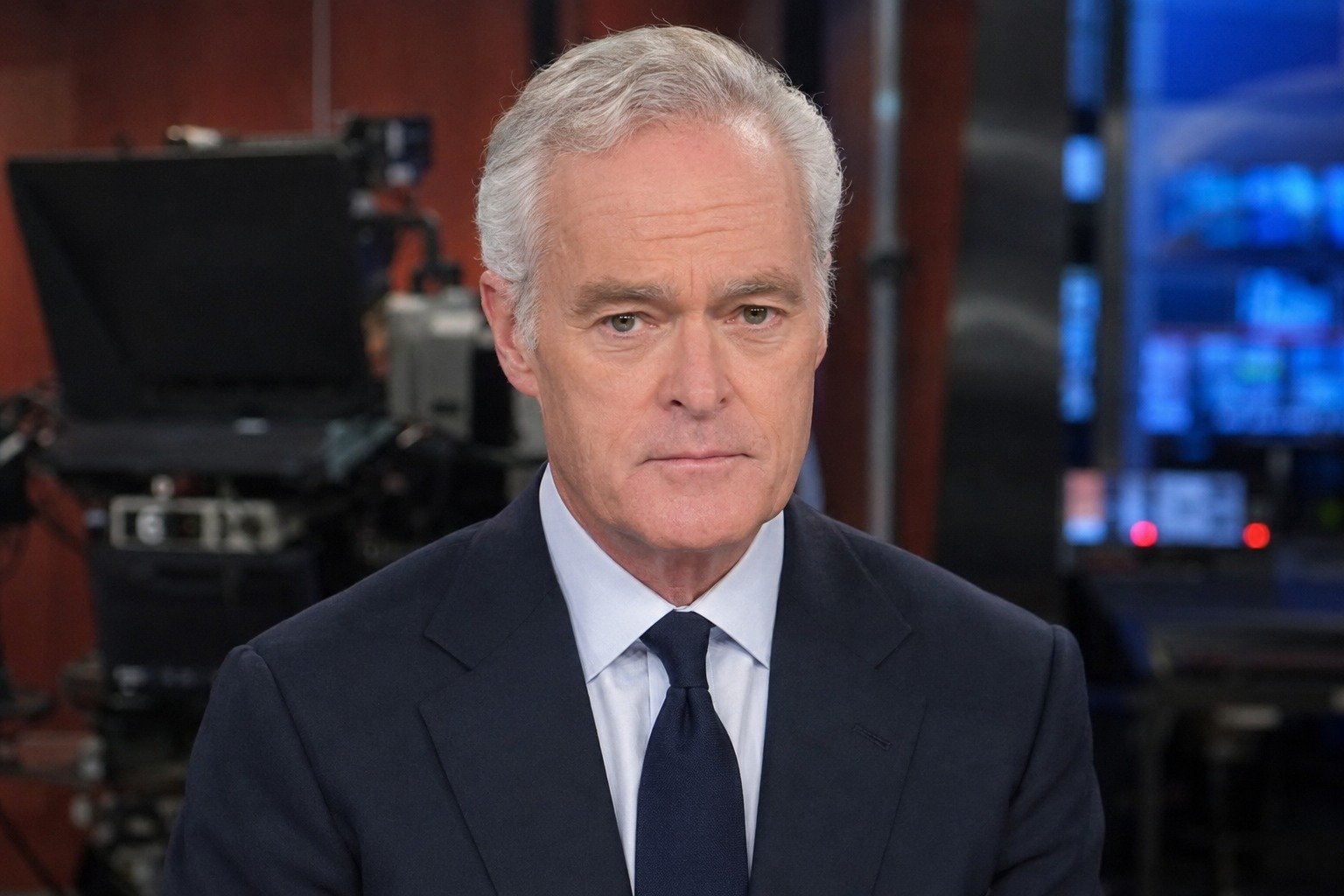
CBS News has fired Scott Pelley, ending one of the longest and most decorated runs in modern broadcast journalism. The network dismissed the veteran “60 Minutes” correspondent on Tuesday, June 2, just one day after a staff meeting that reportedly erupted into an open clash between Pelley and the program’s new leadership. His termination letter, according to multiple outlets, said his employment was ended “for cause, effective immediately.”
A Nearly 40-Year Run Ends Abruptly
Pelley spent close to four decades at CBS News, anchoring the “CBS Evening News” for years before settling in as one of the most recognizable faces of “60 Minutes,” the network’s flagship newsmagazine. For a generation of viewers, his measured delivery and long-form reporting style were synonymous with the program itself. That history made his sudden exit all the more striking.
The firing did not happen in a vacuum. It followed a period of intense turmoil at CBS News tied to a change in ownership at parent company Paramount and the installation of new editorial leadership. Bari Weiss, the founder of The Free Press, was named CBS News editor-in-chief in the wake of that ownership change, and her arrival has been accompanied by a wave of personnel and structural shifts inside the newsroom.
The Meeting That Set It Off
According to multiple reports, the breaking point came during a June 1 staff meeting. Pelley clashed with Nick Bilton, a former technology journalist recently installed as an executive producer, and openly challenged the direction the newsmagazine was taking under the new regime. During that confrontation, Pelley accused Weiss of trying to gut the program he had helped define.
Pelley reportedly told colleagues that Weiss “was brought in to kill it, and she’s been doing exactly that” — a blunt characterization of what he sees as the dismantling of “60 Minutes.” It is his framing of the situation, not an established fact, but it captured the depth of the rift between a legacy correspondent and the network’s new management. One day later, CBS moved to terminate him.
Pelley Fires Back
Pelley did not exit quietly. In a public statement, he said “incompetence and unprofessionalism in the new management have wreaked havoc” at the network. He went further, claiming that management had instructed him “to inject falsehoods and bias into a politically sensitive story” — an allegation that, if accurate, would strike at the core of the program’s editorial independence.
He also alleged that politicians had been allowed to choose which correspondents would interview them, and said the network’s new owner is casting aside the legacy of “60 Minutes.” CBS has not publicly disputed Pelley’s account point by point. These are Pelley’s claims, and the network has not offered a detailed rebuttal of each one — leaving the public to weigh the accusations of a longtime journalist against a leadership team still defining its approach.
A Newsroom Divided
Reaction has split along predictable lines. Supporters see Pelley as one of the last guardians of old-school broadcast journalism, a reporter willing to put his job on the line over editorial principle. Others view the episode as a high-profile veteran resisting a new direction that the network’s owners are entitled to set. Both readings can be true at once, and that tension is exactly what makes the story resonate beyond the walls of CBS.
For ordinary Americans, the fight over “60 Minutes” is about more than one correspondent’s job. It touches on a larger question of who controls the country’s most influential newsrooms and how editorial decisions get made when ownership changes hands. The outcome will help shape what one of television’s most-watched news programs looks like for years to come — and whether viewers can trust that what they see has not been shaped by pressures behind the scenes.
Stay informed on the stories that matter most. Follow Your Daily Updates on Facebook and bookmark yourdailyupdates.news for breaking news and analysis.