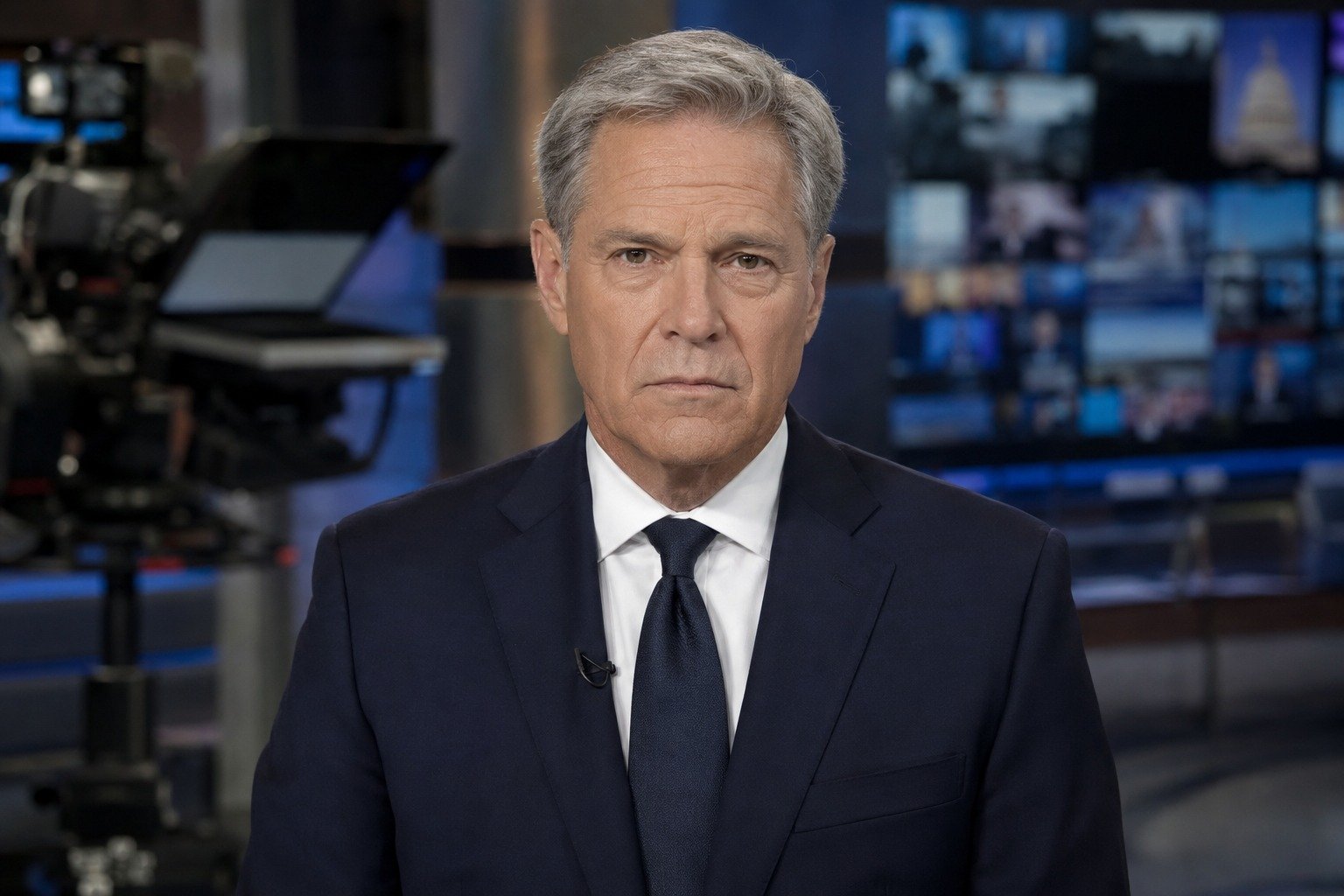
CBS News has fired Scott Pelley, one of the most recognizable faces of “60 Minutes,” just one day after a tense newsroom meeting erupted into open conflict over the program’s new direction. The dismissal marks one of the most dramatic shakeups in recent memory at the long-running newsmagazine and has set off a fierce debate about the show’s future.
How the Clash Unfolded
The confrontation came as staff were introduced to the program’s incoming executive producer, Nick Bilton, a journalist brought aboard by CBS News editor-in-chief Bari Weiss. According to multiple reports, Pelley did not hold back during the meeting, openly pushing back against the new leadership and accusing Weiss of “murdering” the legendary broadcast. He reportedly told colleagues that Weiss “does not love this place.”
A day later, Pelley was gone. The speed of the exit — barely 24 hours after the meeting — stunned many inside the network and quickly became the talk of the media world.
Two Very Different Accounts
Addressing CBS staff after the firing, Weiss offered her version of events. She said the network had made an effort to keep Pelley on board. “Despite our attempts to engage with Scott Pelley and to find a way back, unfortunately, we weren’t able to do so, and so we had to part ways,” she told employees, framing the departure as the result of Pelley’s own choices.
Pelley sees it differently. He has disputed the idea that anyone genuinely tried to keep him, saying that in the meeting where he was effectively let go, there was “no effort of any kind” to find common ground. The competing narratives have only intensified the spotlight on how the decision was made — and on the broader tensions reshaping the newsroom.
A Fight Over the Future of “60 Minutes”
Pelley is no minor figure at the network. A veteran correspondent and former anchor, he has been one of the defining voices of “60 Minutes” for decades, lending the broadcast much of its institutional weight and credibility. His abrupt removal signals just how much is changing under the program’s new leadership.
Supporters of the overhaul argue that the storied newsmagazine needs fresh vision and new energy to stay relevant in a rapidly shifting media landscape. They see new leadership and new producers as a necessary reset. Critics, meanwhile, view the departure of a respected veteran as a warning sign — a sign that longtime journalists who speak up about the direction of the show may find themselves pushed out.
What This Means for Viewers
For the millions of Americans who have trusted “60 Minutes” as a Sunday-night institution, the turmoil raises real questions about what the broadcast will look like going forward. Changes at the top of a flagship news program don’t just affect the people inside the building — they shape the tone, the stories, and the journalism that reaches living rooms across the country. How this transition plays out could influence one of the most-watched news programs in the nation for years to come.
Stay informed on the stories that matter most. Follow Your Daily Updates on Facebook and bookmark yourdailyupdates.news for breaking news and analysis.