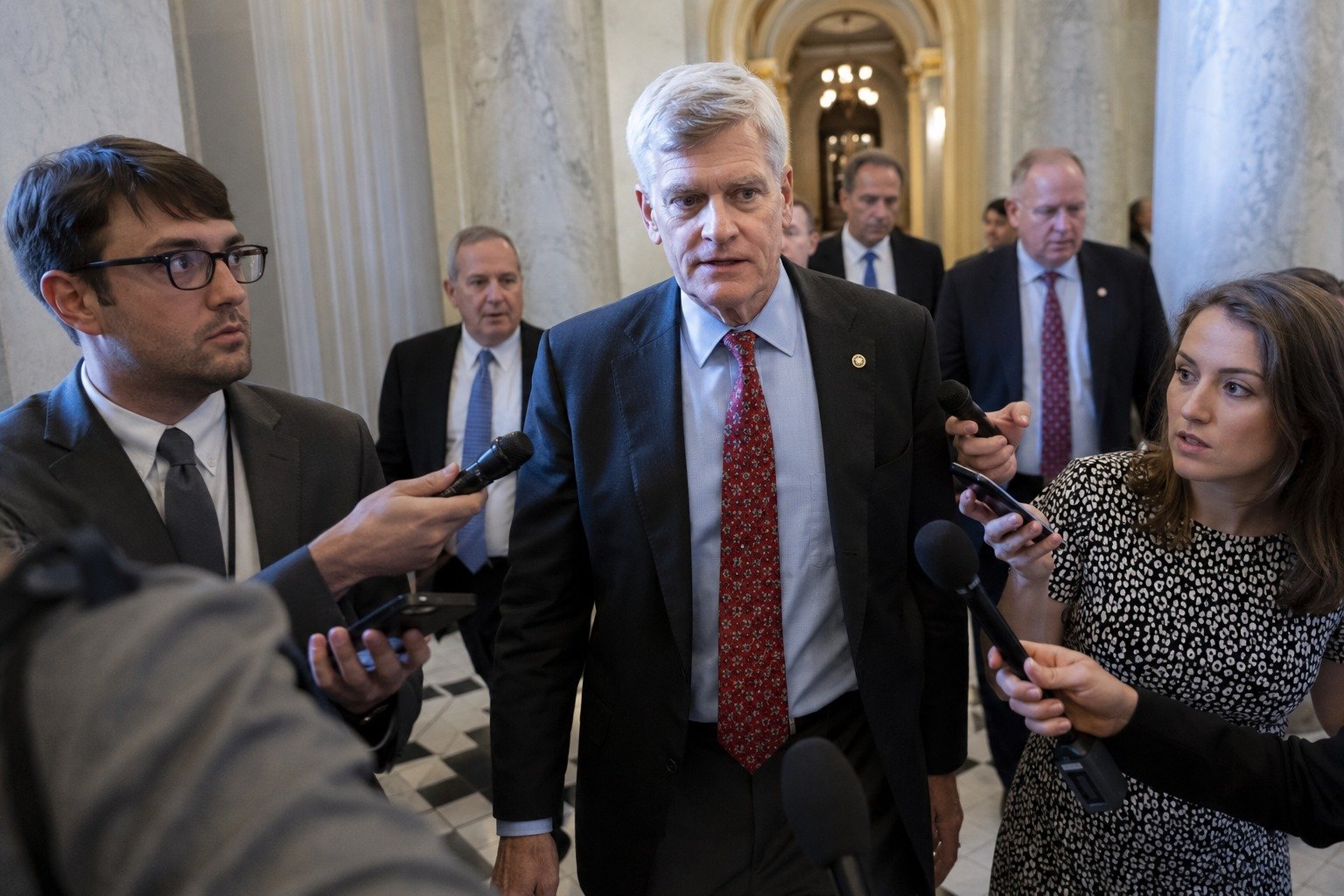
Just days after losing his Republican primary, Senator Bill Cassidy of Louisiana flipped — casting a surprise vote that helped advance a war powers resolution aimed at ending U.S. military action against Iran.
The move made Cassidy the fourth Republican to break ranks on the issue, and it marked the first time the Senate has shown it has the votes to push the measure forward.
How the Vote Happened
Cassidy joined Republican Sens. Rand Paul of Kentucky, Susan Collins of Maine, and Lisa Murkowski of Alaska in supporting a motion to discharge the resolution — sponsored by Democratic Sen. Tim Kaine of Virginia — out of the Senate Foreign Relations Committee. The motion passed 50 to 47, setting up a future vote to take up the measure on the Senate floor.
The resolution would direct the president to withdraw U.S. armed forces from hostilities with Iran that Congress has not formally authorized. Its backers cast it as Congress reasserting its constitutional authority over decisions of war and peace.
Why the Timing Matters
What makes Cassidy’s vote notable is when it came. He lost his bid for a third term last week, failing to advance past a Trump-endorsed challenger, Rep. Julia Letlow, in Louisiana’s primary. No longer facing the pressure of a reelection fight, Cassidy is now serving out the final months of his term.
He kept his intentions closely held, declining to say how he would vote even the day before. That secrecy added to the drama when his name landed in the “yes” column and tipped the count.
What It Signals
The vote is a rare rebuke of the administration from within the president’s own party, and it suggests that unease over the Iran campaign is spreading on Capitol Hill. The resolution still faces additional procedural hurdles and a likely tough path in the House — but the Senate’s willingness to move it forward is a meaningful shift.
What This Means for Americans
At the heart of the fight is a question older than any single administration: who gets to decide when America goes to war? For voters weary of open-ended military commitments, a bipartisan group of senators voting to claw that decision back toward Congress is a development worth watching.
Stay informed on the stories that matter most. Follow Your Daily Updates on Facebook and bookmark yourdailyupdates.news for breaking news and analysis.