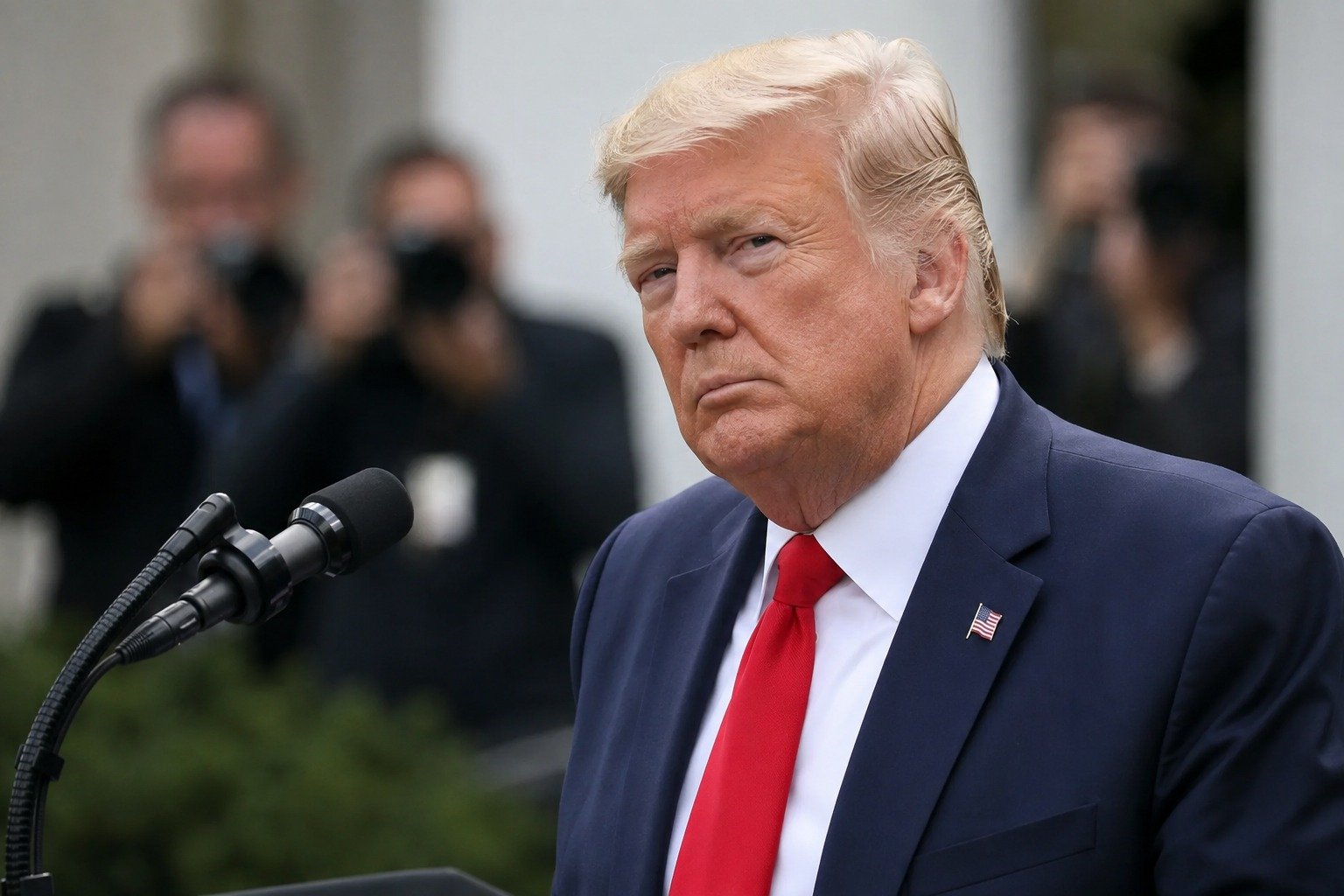
Capital One has laid out, for the first time in court, why it abruptly shut down roughly 385 bank accounts tied to Donald Trump and the Trump Organization in 2021. In a filing dated August 1, 2026, the bank said the closures came after a careful review by its financial-crimes team under federal anti-money-laundering rules – a rationale that has now reignited one of the most closely watched debanking disputes in the country.
It is important to be precise about what the bank actually said. Capital One described anti-money-laundering compliance as its stated justification for ending the relationship. It did not claim to have found that Trump or his companies laundered money, and the filing contains no such determination of wrongdoing. In banking terms, this is what is known as “de-risking” – when an institution decides a client carries more regulatory or reputational risk than it wants to carry, and cuts ties.
A Decade-Long Relationship Ends
The Trump Organization had banked with Capital One for more than a decade before the accounts were closed in the middle of 2021. The timing – months after the January 6 Capitol riot – has been central to the dispute from the beginning. Roughly 385 accounts connected to Trump and affiliated entities were wound down, an unusually large severing of a long-standing corporate banking relationship.
Banks are required by law to monitor accounts for suspicious activity and to file reports when something triggers their compliance systems. They also retain broad discretion over who they choose to keep as customers. Both of those realities sit at the center of Capital One’s defense.
The Bank’s Legal Argument
Beyond citing its financial-crimes review, Capital One made a blunt second argument: its customer agreement, the bank says, allows it to close any account at any time, for any reason or for no reason at all. In other words, even setting aside the anti-money-laundering rationale, the bank contends it was never legally obligated to justify the decision in the first place.
That contractual language is standard across the banking industry, and it is often the deciding factor when customers challenge account closures in court. It is also why debanking cases are so difficult for plaintiffs to win – the bank rarely has to prove much beyond the terms the customer already agreed to.
The Trump Organization Fires Back
The Trump Organization sees the closures very differently. It sued Capital One, arguing that the shutdowns were political retaliation in the aftermath of January 6, and that the anti-money-laundering explanation was invented after the fact to give a politically driven decision a compliance-shaped cover story. An earlier version of that lawsuit was dismissed in March 2026, but the fight has continued.
The competing narratives could hardly be further apart. To Capital One, this was a routine, if large, compliance-driven exit permitted by its own contract. To the Trump Organization, it was a politically motivated purge dressed up in regulatory language. A court will ultimately have to weigh those claims.
What the Debanking Fight Means for Americans
Strip away the famous name and the case touches something that affects ordinary people too: the power of a bank to quietly cut someone off, often with little explanation. For years, conservatives have warned that debanking could be weaponized against them, while consumer advocates have raised similar alarms about low-income customers and small businesses shut out with no recourse. Now one of the most powerful men in the country is making that exact argument against a major bank – and how the court rules could shape what recourse any customer has when the account door closes.
Stay informed on the stories that matter most. Follow Your Daily Updates on Facebook and bookmark yourdailyupdates.news for breaking news and analysis.