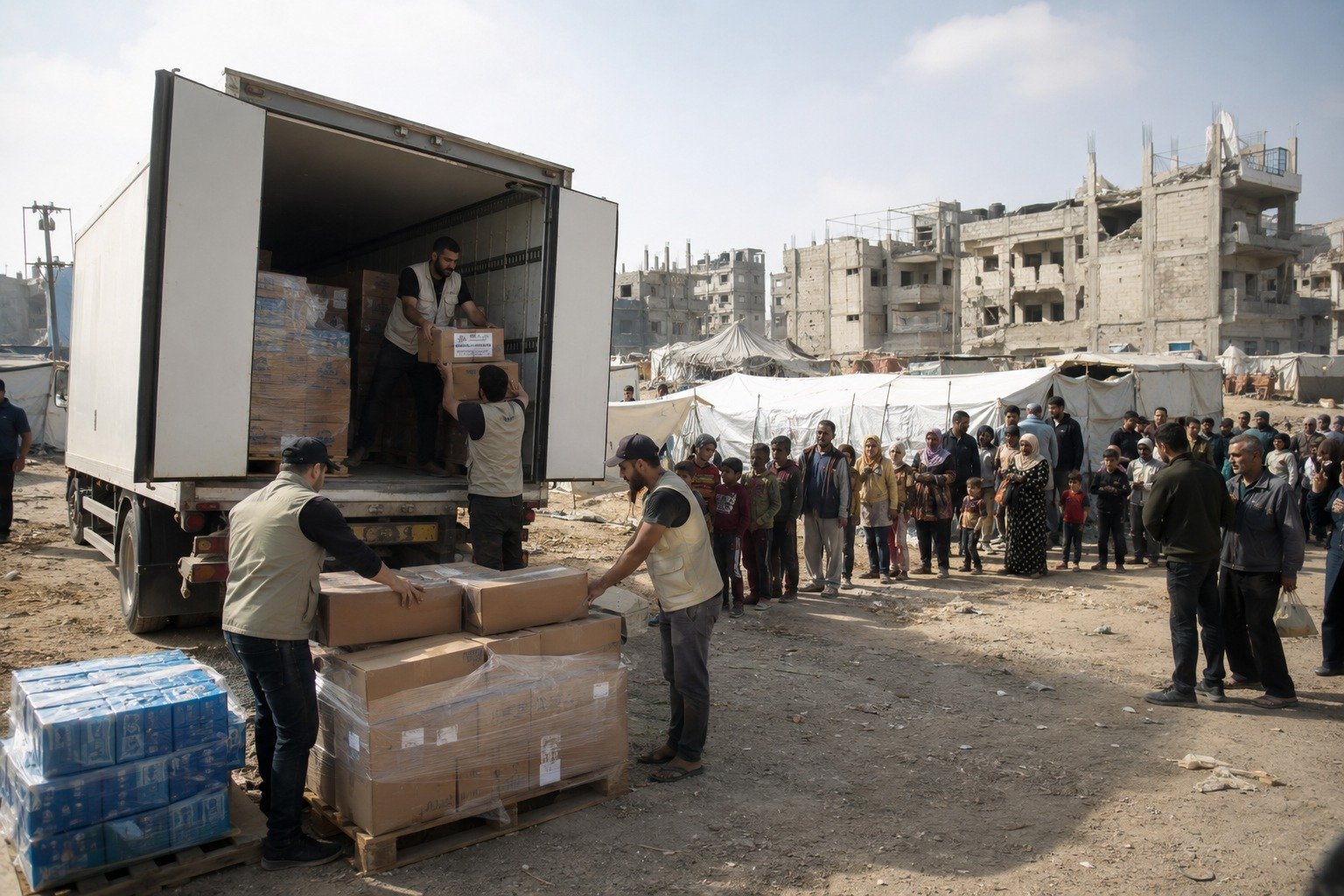
Canada is putting another 100 million Canadian dollars behind Palestinians caught in two overlapping crises. On Friday, June 12, 2026, Foreign Affairs Minister Anita Anand announced the new federal funding from Paris, where Western leaders had gathered to discuss the future of a two-state solution. The money is aimed at the worsening humanitarian emergency in Gaza and the escalating violence by extremist Israeli settlers in the occupied West Bank.
What Canada Announced
The 100 million Canadian dollars (CAD) is not a symbolic gesture. It will flow through United Nations agencies, the Red Cross, and other established relief organizations rather than passing through any government directly. That structure is designed to get aid to people on the ground quickly and to keep it insulated from political interference.
According to the announcement, the funding will support emergency medical care, food and nutrition, clean water, sanitation, shelter, and protection services. These are the categories of aid that collapse first when a humanitarian system breaks down, and they are precisely what relief groups have been warning are in dangerously short supply across Gaza.
A Growing Canadian Commitment
With this latest pledge, Canada’s total support for Palestinians now climbs past 500 million Canadian dollars since late 2023. That makes Ottawa one of the more consistent Western contributors at a moment when much of the international response has been heavy on statements and light on actual dollars.
The timing of the Paris announcement was deliberate. Western governments have spent months debating how to keep the prospect of a two-state solution alive even as conditions on the ground deteriorate. By tying the funding to that gathering, Canada framed humanitarian aid not as charity but as part of a broader strategy to prevent the situation from spiraling further out of control.
Two Crises at Once
The funding addresses two distinct but connected emergencies. In Gaza, aid groups warn that conditions have pushed past the breaking point, with shortages of food, water, and medical supplies reaching catastrophic levels. In the West Bank, the concern is different: a sharp rise in violence by extremist Israeli settlers targeting Palestinian communities, which has displaced families and destroyed livelihoods.
By naming settler violence explicitly, the Canadian government signaled that it sees the West Bank situation as a humanitarian and human-rights concern in its own right, not merely a footnote to the war in Gaza.
What Happens Next
The open question is whether other nations follow Canada’s lead or whether this 100 million CAD commitment remains an outlier. Humanitarian organizations have repeatedly stressed that pledges only matter when they translate into delivered aid, and that the needs on the ground far outstrip what any single country can cover.
For ordinary people, the significance is straightforward. When governments channel money through trusted relief agencies, the result can be the difference between a family receiving clean water and medicine or going without. The accountability question now shifts to Canada’s peers: with the need this acute, will they match the commitment or let it stand alone?
Stay informed on the stories that matter most. Follow Your Daily Updates on Facebook and bookmark yourdailyupdates.news for breaking news and analysis.