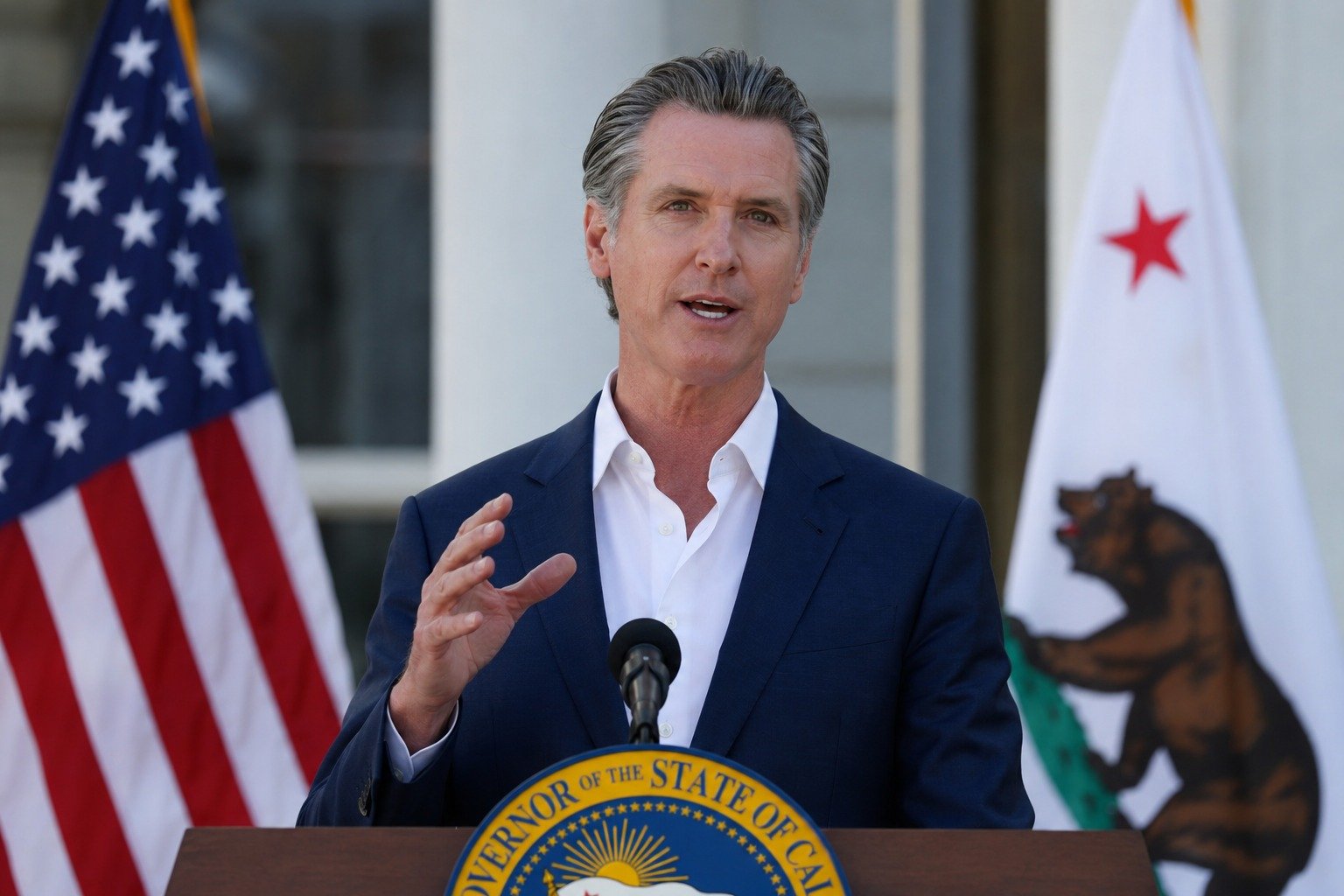
California has locked in one of the most ambitious family-support agendas in the country. The state’s new $352 billion budget for 2026-27, signed by Gov. Gavin Newsom after a deal with Democratic legislative leaders, fully funds two free meals a day for every K-12 student and guarantees universal access to free transitional kindergarten for the state’s four-year-olds.
What the budget actually does
The headline numbers are big, but the meaning for families is simple. Every student in a California public school can get breakfast and lunch at no cost, regardless of household income. That is not a brand-new program – California became the first state in the nation to adopt universal school meals back in 2021 – but this budget secures the money to keep it running going forward, rather than leaving it exposed to future cuts.
The agreement also fully funds universal access to free transitional kindergarten, a year of public pre-K aimed at four-year-olds. State officials estimate this opens the door to more than 400,000 children, alongside an expansion of State Preschool slots for younger and lower-income kids.
Why it matters
Research has long shown that hungry children struggle to learn and that early childhood education pays dividends for years. Universal meals remove the stigma that used to follow students who qualified for free or reduced-price lunch, and they take a recurring expense off the plates of working parents already stretched by rent, gas, and groceries.
Transitional kindergarten matters for the same reason. A free year of structured early learning gives four-year-olds a running start before they reach kindergarten – and gives parents, especially mothers, more room to stay in the workforce without paying for private pre-K. For many families, that single line in the budget is worth thousands of dollars a year.
The bigger picture
The budget was billed as a balanced plan with a zero deficit, the product of a three-way agreement between Newsom and legislative leaders. It softens or delays billions in planned social-service cuts and sets aside reserves for the year ahead, all while protecting the education commitments at its core. The deal directs roughly $125 billion toward TK-14 education and includes a cost-of-living adjustment for schools.
The contrast with other states is hard to miss. As several states trim school programs and debate rolling back free-meal initiatives, California is choosing to bake those benefits into its spending plan. Supporters frame it as a values statement: feeding and educating children is treated as a baseline obligation, not an optional extra.
What this means for Americans
For California families, the practical effect is immediate – no lunch bills, and a free year of pre-K within reach. For the rest of the country, it sets a marker in the ongoing debate over what government should guarantee for kids. When a state the size of California fully funds universal meals and pre-K, it raises the question other states will have to answer: if California can do it, why can’t we?
Stay informed on the stories that matter most. Follow Your Daily Updates on Facebook and bookmark yourdailyupdates.news for breaking news and analysis.