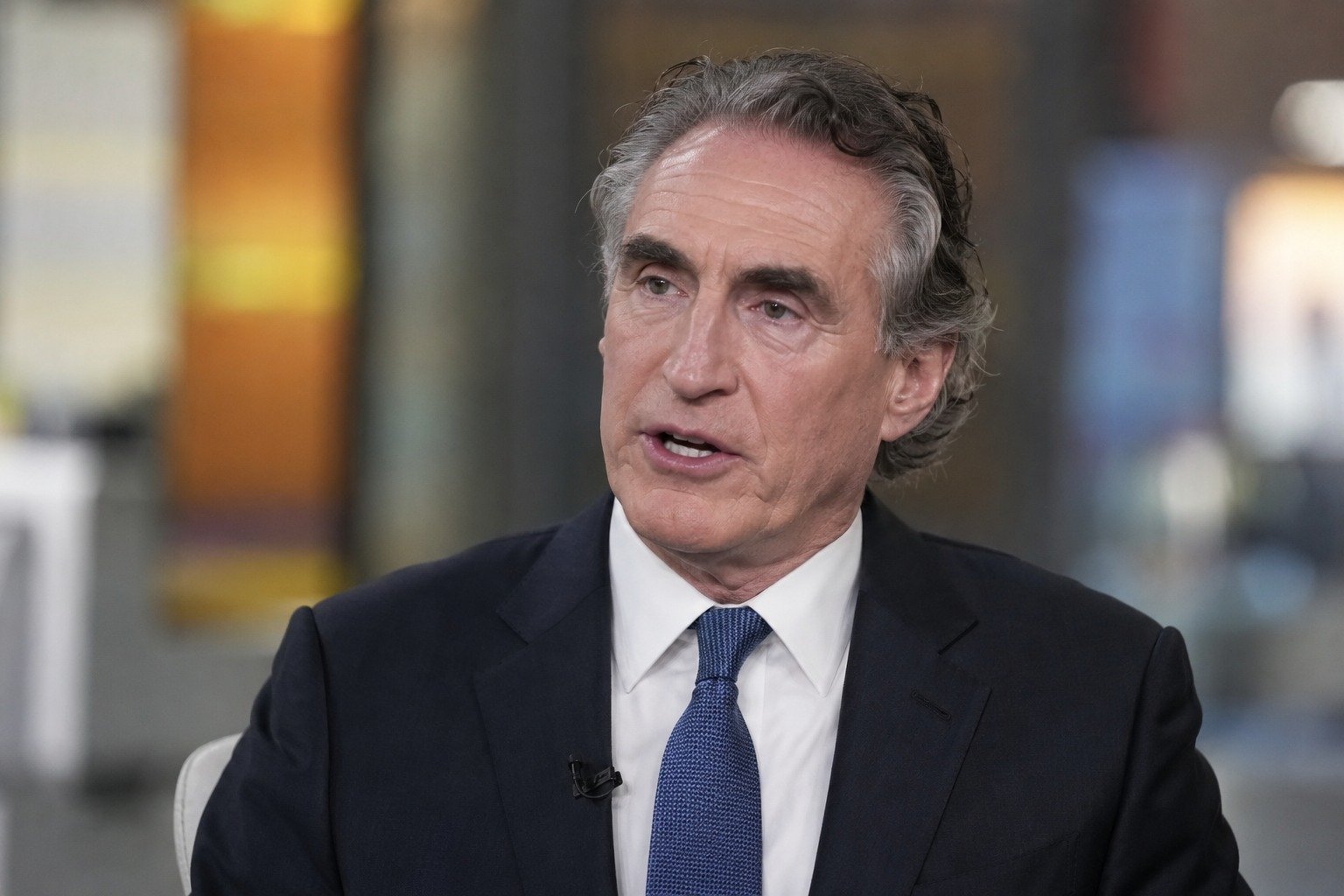
Gas is getting more expensive, and the Trump administration has settled on a target: Democrats. Interior Secretary Doug Burgum used a Fox News appearance this week to argue that the pain Americans feel at the pump is not the product of turmoil in the Strait of Hormuz, but of policy choices made by Democratic governors.
His message was blunt. Prices vary “by state policy and state taxes, not by the underlying fundamentals,” Burgum said, calling California’s prices “self-inflicted” and telling voters they could “thank [Gavin] Newsom for that.”
Why the Strait of Hormuz Matters
The deflection works only if you ignore how oil markets actually function. The Strait of Hormuz is one of the most important chokepoints in the world energy system – roughly a fifth of the globe’s oil passes through that narrow waterway. When tension flares there, traders price in the risk of disruption, and the cost of a barrel climbs on the global market.
That increase does not stop at a state line. Crude is a global commodity. When its price rises because of a supply scare halfway around the world, the effect ripples out to every refinery and every gas station in the country – in red states and blue states alike. State taxes and state-level policies can explain why one state’s average is higher than another’s. They do not set the baseline price of the oil itself.
What Burgum Said – and What He Left Out
Burgum’s argument leaned on a real fact: prices genuinely do differ from state to state, and policy and taxes are part of that gap. California, with some of the highest fuel taxes and strictest fuel standards in the nation, consistently posts prices above the national average. That part is not in dispute.
What the framing skips over is the timing. Burgum offered the “thank Newsom” line at a moment when a global supply scare tied to the Middle East was putting upward pressure on oil everywhere. Pinning the blame on a single Democratic governor, while a worldwide pressure point drives the broader trend, isolates one variable and presents it as the whole story.
The Politics of Pointing Fingers
It is worth asking who that framing serves. When an administration directs public frustration toward Sacramento rather than toward conditions in the Persian Gulf, it shifts attention away from the people currently holding federal power – the ones with the most direct levers over national energy strategy.
Burgum is not a bystander in that conversation. As Interior Secretary, he oversees the nation’s public lands and a significant share of its energy policy – a role with real influence over American production. A cabinet official with that portfolio telling drivers to “thank Newsom” is offering a talking point, not a plan to bring costs down.
What This Means for Americans
For the family filling up before a shift, the source of the price increase is academic – what matters is the number on the pump. But the explanation they are given is not academic at all. When officials reach for a partisan villain instead of leveling with the public about global forces, they make it harder for voters to hold the right people accountable for the right things. The people paying for higher gas are the ones at the pump. The people responsible for a national response are the ones in charge.
Stay informed on the stories that matter most. Follow Your Daily Updates on Facebook and bookmark yourdailyupdates.news for breaking news and analysis.