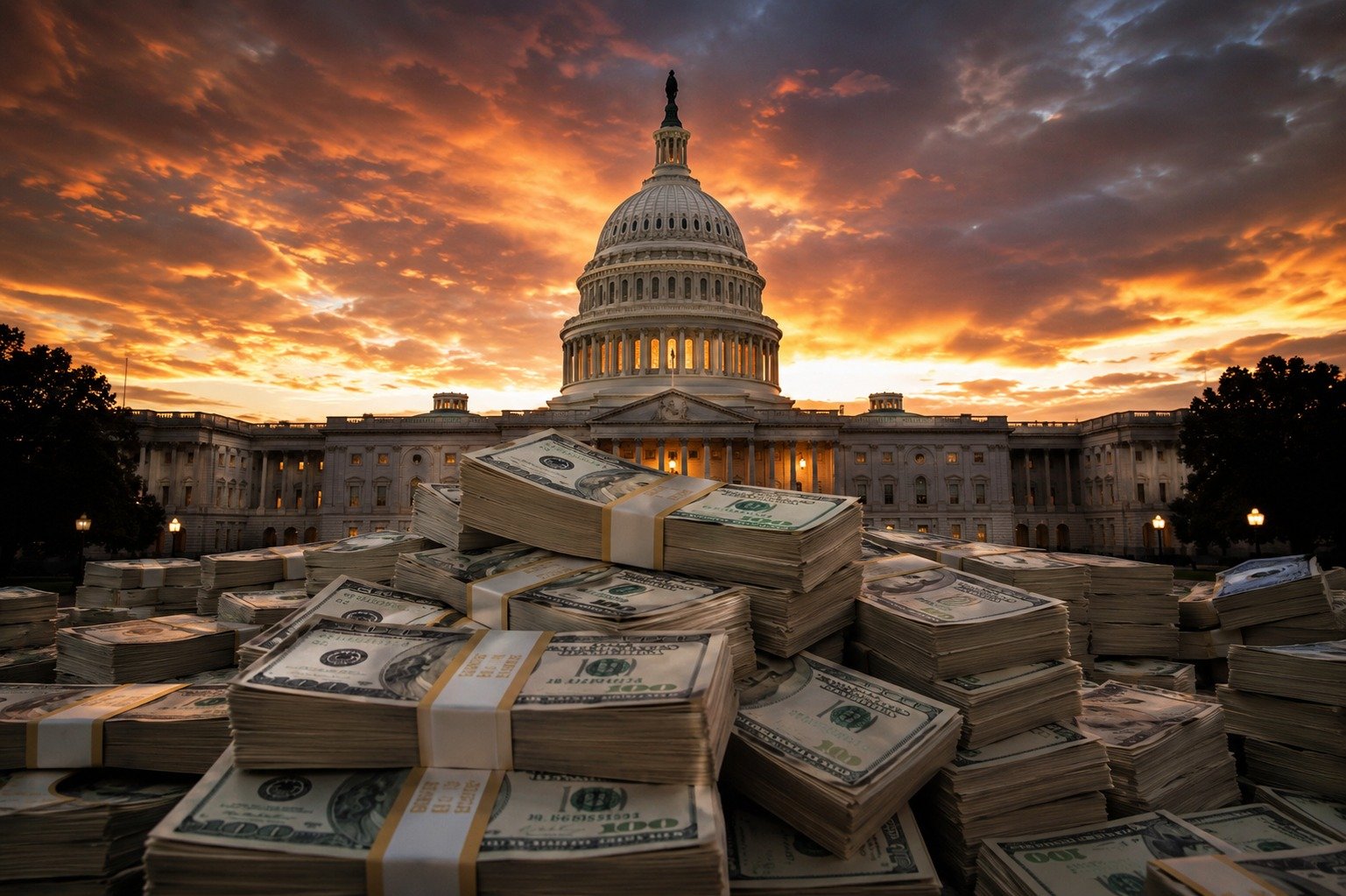
The United States stands nearly alone among wealthy democracies when it comes to allowing billionaires to pour unlimited money into elections — and an international wave of campaign finance reform is putting that distinction in sharp focus. From France to Brazil to the United Kingdom, country after country has moved to restrict or outright ban large private donations in politics. The question now being asked at kitchen tables and in Congress: should America be next?
How America Got Here
The turning point for American campaign finance came in 2010, when the Supreme Court issued its landmark Citizens United v. FEC ruling. In a 5-4 decision, the Court held that corporations and outside groups had a First Amendment right to spend unlimited amounts on political messaging. The ruling opened the floodgates. In the years since, billionaires on both sides of the political aisle have poured hundreds of millions — sometimes billions — of dollars into Super PACs, political influence operations, and campaign advertising. The 2024 election cycle set new records, with individual donors writing nine-figure checks to outside groups supporting their preferred candidates.
Before Citizens United, American campaign finance law had been steadily tightening since the post-Watergate reforms of the 1970s. The ruling didn’t just reverse that trend — it fundamentally redefined what political spending is. By treating campaign money as protected speech, the Court made it extraordinarily difficult for Congress to pass new restrictions, even as public support for limiting big money in politics remains consistently high across party lines.
What Other Countries Have Done
The contrast with peer democracies is stark. France banned corporate political donations back in 1995 and caps individual contributions at just €4,600 per candidate per election. Germany requires full public disclosure of any donation above €10,000 and places strict aggregate limits on what any individual can give. In Canada, only citizens and permanent residents can donate to political parties, with annual caps of roughly $1,700. Brazil’s Supreme Court went further — it outlawed corporate campaign contributions entirely in 2015, ruling that allowing companies to fund politicians created an unconstitutional imbalance of power.
The United Kingdom is currently grappling with the issue in real time. Reports that Elon Musk was considering donating up to £70 million to Reform UK, a right-wing political party, triggered an emergency push in Parliament to close the loophole that would allow foreign-influenced donations of that scale. British MPs from across the political spectrum warned that a single billionaire — particularly one with significant U.S. government contracts and interests — injecting that kind of money into British politics would fundamentally distort their democracy. The episode has reignited debate not just in the UK, but internationally, about how modern democracies can protect elections from being captured by the ultra-wealthy.
The Case For and Against a U.S. Ban
Proponents of restricting billionaire donations argue that the current system has turned American elections into something closer to an auction than a democratic exercise. When a single individual can spend more on a political campaign than millions of ordinary Americans combined, critics say the system no longer reflects the will of the people — it reflects the preferences of the ultra-rich. They point to research showing that policy outcomes in the United States more closely track the preferences of wealthy donors than those of average voters, and argue that no amount of transparency fixes a fundamental power imbalance.
Opponents make an equally principled argument rooted in the First Amendment. Courts have consistently ruled that spending money to support political candidates and causes is a form of protected political expression. Many conservatives, libertarians, and even some civil liberties advocates argue that any cap on political giving is, in effect, a cap on political speech — and that the cure is worse than the disease. Their preferred solution is radical transparency: full and immediate public disclosure of all political spending, so voters can evaluate candidates knowing exactly who is bankrolling them.
What This Means for American Voters
Whether you lean left or right, the question of who gets to fund American elections is a question about whose voice gets amplified in Washington. The policies your elected officials champion, the priorities they fight for, and the compromises they make are all shaped — at least in part — by where their campaign money comes from. Dozens of democracies have concluded that allowing billionaires to write unlimited checks to political operations is incompatible with genuine democratic representation. Whether the United States follows suit is ultimately a question for American voters to decide.
Stay informed on the stories that matter most. Follow Your Daily Updates on Facebook and bookmark yourdailyupdates.news for breaking news and analysis.