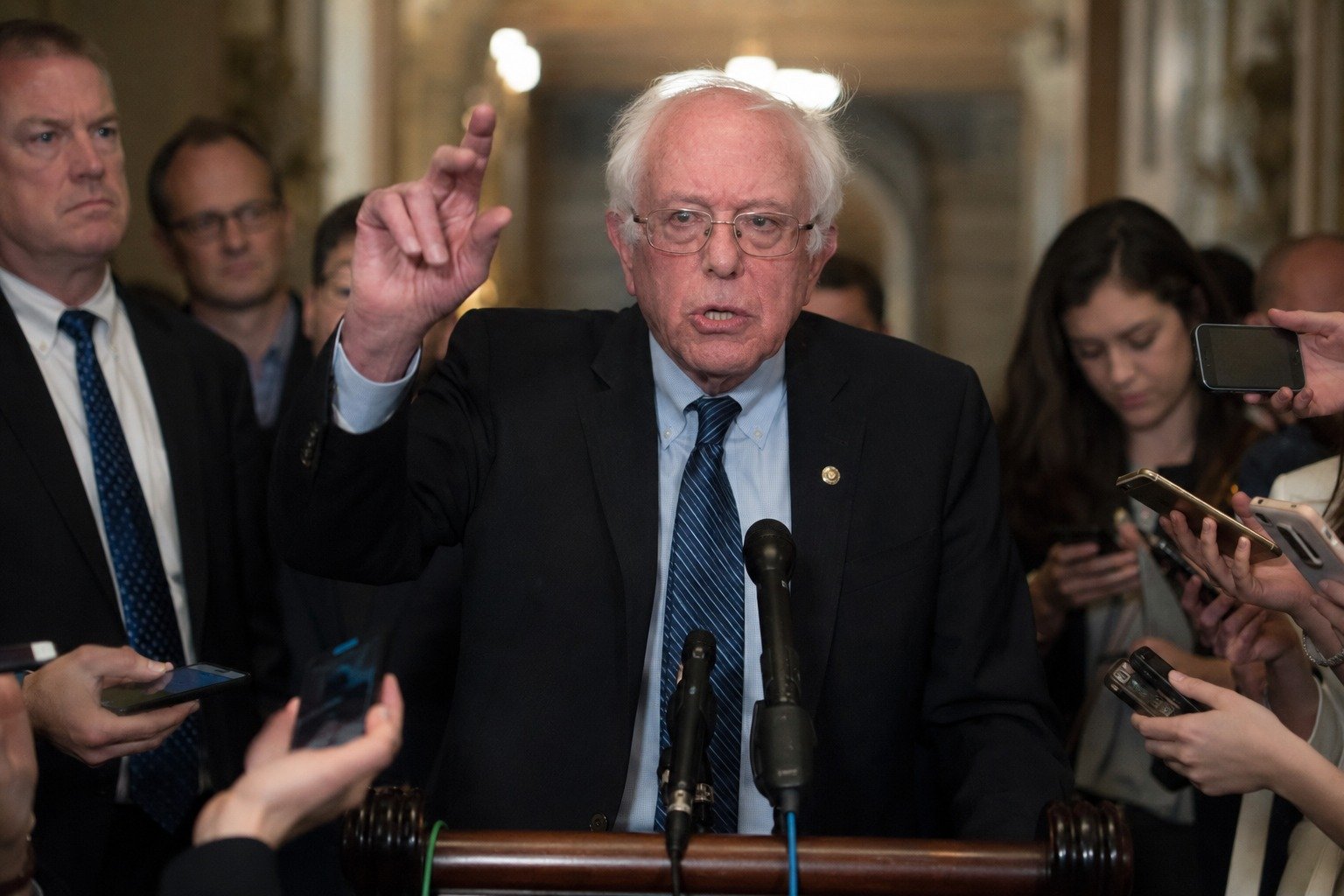
Senator Bernie Sanders and Representative Ro Khanna have introduced a bill that would do something the federal government has never done before: charge America’s wealthiest people a flat annual fee on their fortunes and send the money directly to working families.
The measure, called the Make Billionaires Pay Their Fair Share Act, would impose a 5% annual wealth tax on roughly 938 billionaires. In its first year, the revenue would fund a direct payment of $3,000 to every person in a household earning $150,000 or less. For a family of four, that would mean $12,000 in a single year.
A New Approach to Taxing Extreme Wealth
Most federal taxes are built around income — the money people earn from wages, salaries, and investments in a given year. A wealth tax works differently. Instead of taxing what someone earns, it taxes what they already hold: stocks, real estate, business stakes, and other assets that make up a fortune. For the ultra-rich, much of whose wealth sits in appreciating assets rather than ordinary paychecks, that distinction matters enormously.
Sanders has spent much of his career arguing that the concentration of wealth at the very top is not just an economic issue but a threat to working people and to democracy itself. The new proposal puts a specific number on that argument: 5% a year on the holdings of the country’s roughly 938 billionaires, a small group that controls a staggering share of the nation’s total wealth.
How the $3,000 Payments Would Work
The part of the plan drawing the most attention is what happens to the money. Rather than funneling the revenue into general government spending, the bill earmarks the first year’s proceeds for direct payments to ordinary households. Every person in a household earning $150,000 or less would receive $3,000.
Because the payment is per person rather than per household, the totals add up quickly for families. A married couple under the income threshold would receive $6,000. A family of four would receive $12,000. For households squeezed by years of rising rent, grocery, and healthcare costs, supporters argue, that kind of payment could be the difference between falling behind and staying afloat.
The Argument For and Against
Supporters frame the bill as a direct way to put money back into the hands of families while asking those who have benefited most from the economy to contribute more. They point to the widening gap between billionaire fortunes and the financial reality facing most Americans as evidence that the current system is out of balance.
Critics counter that a wealth tax is difficult to administer, raises questions about how to value complex assets year after year, and could face constitutional challenges. Opponents also argue that taxing accumulated wealth could discourage investment. A federal wealth tax of this kind has never been enacted in the United States, and the political path for one remains steep.
Not Law Yet
It is important to be clear about where this stands. The Make Billionaires Pay Their Fair Share Act is a proposal, not law. It would need to pass both chambers of Congress, where a wealth tax faces significant opposition, before it could ever take effect. For now, it functions as a marker — a statement of how far some lawmakers are willing to go to confront the concentration of billionaire wealth.
What This Means for Americans
For working families, the proposal raises a direct and personal question: would a one-time $3,000-per-person payment, funded by a tax on the richest people in the country, change your financial picture? And is taxing extreme wealth the right way to fund that kind of relief? Those are exactly the debates the bill is designed to force into the open, regardless of whether it ever becomes law.
Stay informed on the stories that matter most. Follow Your Daily Updates on Facebook and bookmark yourdailyupdates.news for breaking news and analysis.