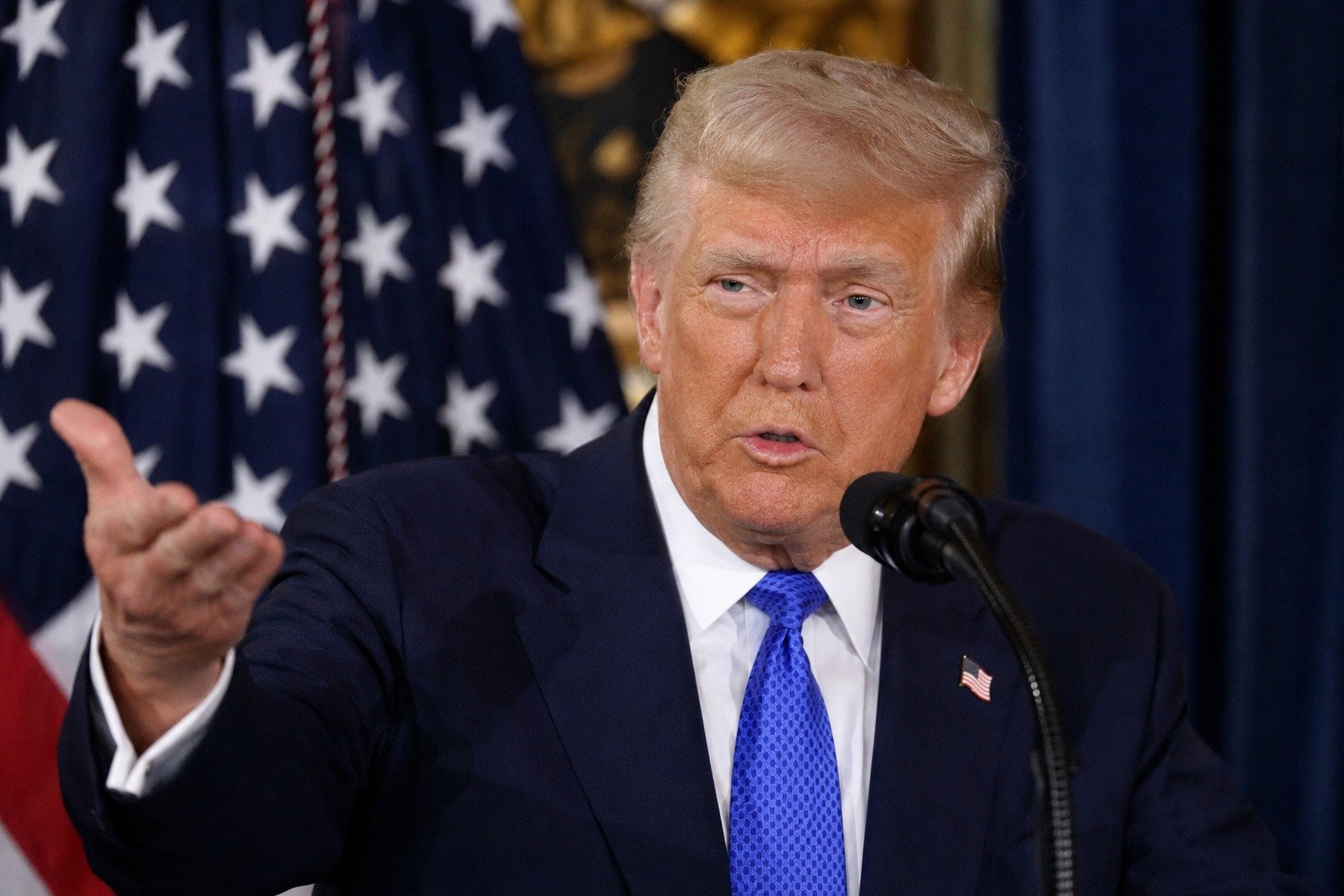
Multiple articles of impeachment against President Donald Trump have been formally filed in the 119th Congress, putting a set of accountability demands on the official record even as the practical path to removal remains steep. The filings include several standalone resolutions and, this spring, a sweeping package from Rep. John Larson laying out 13 separate articles.
The development has reignited a familiar national debate: is impeachment a legitimate check on presidential power, or a symbolic gesture with little chance of success? The honest answer requires understanding what has actually happened – and what has not.
What Was Actually Filed
Over the course of the 119th Congress, lawmakers have introduced several impeachment resolutions targeting the president. These measures cover a range of alleged grounds and reflect deep dissatisfaction among a bloc of members. The most comprehensive is Rep. John Larson’s package, filed in April 2026, which spells out 13 distinct articles in a single resolution.
Filing articles of impeachment is a formal act. A member introduces a resolution, it receives a number, and it enters the congressional record. That step alone signals that a lawmaker believes the conduct described rises to the level of “high crimes and misdemeanors” – the constitutional standard for impeachment.
Filing Is Not the Same as a Proceeding
Here is the part that often gets lost in the noise: filing articles of impeachment is not the same as an impeachment being underway. A resolution has to move before anything real happens. Typically that means clearing a committee, then surviving a vote on the House floor. Only if a majority of the House votes to impeach does the matter head to the Senate for a trial, where a two-thirds supermajority is required to convict and remove.
With Republicans controlling a chamber of Congress, the odds of any of these resolutions advancing – let alone producing a conviction – are long. Leadership controls the floor schedule, and a resolution that leadership declines to bring up can sit indefinitely. That is the political reality supporters of these measures are up against.
The Debate Both Sides Are Having
Supporters of the filings argue they matter regardless of their immediate prospects. To them, putting articles on the record is a necessary marker – a formal statement that no president, of any party, is above the law. They see value in documenting concerns officially, even when the votes are not there today.
Critics counter that impeachment resolutions with no realistic path forward are little more than political theater. They argue such measures energize the base but change nothing, and can even harden partisan divisions rather than deliver accountability. Both arguments carry weight, and both can be true at the same time.
What This Means for Americans
For everyday Americans, the takeaway is less about the immediate mechanics and more about accountability itself. These filings are a reminder that Congress has constitutional tools to check executive power – and that a significant number of lawmakers believe those tools should be on the table. Whether that translates into action depends on elections, on which party controls each chamber, and ultimately on voters. The record now shows where the accountability fight stands.
Stay informed on the stories that matter most. Follow Your Daily Updates on Facebook and bookmark yourdailyupdates.news for breaking news and analysis.