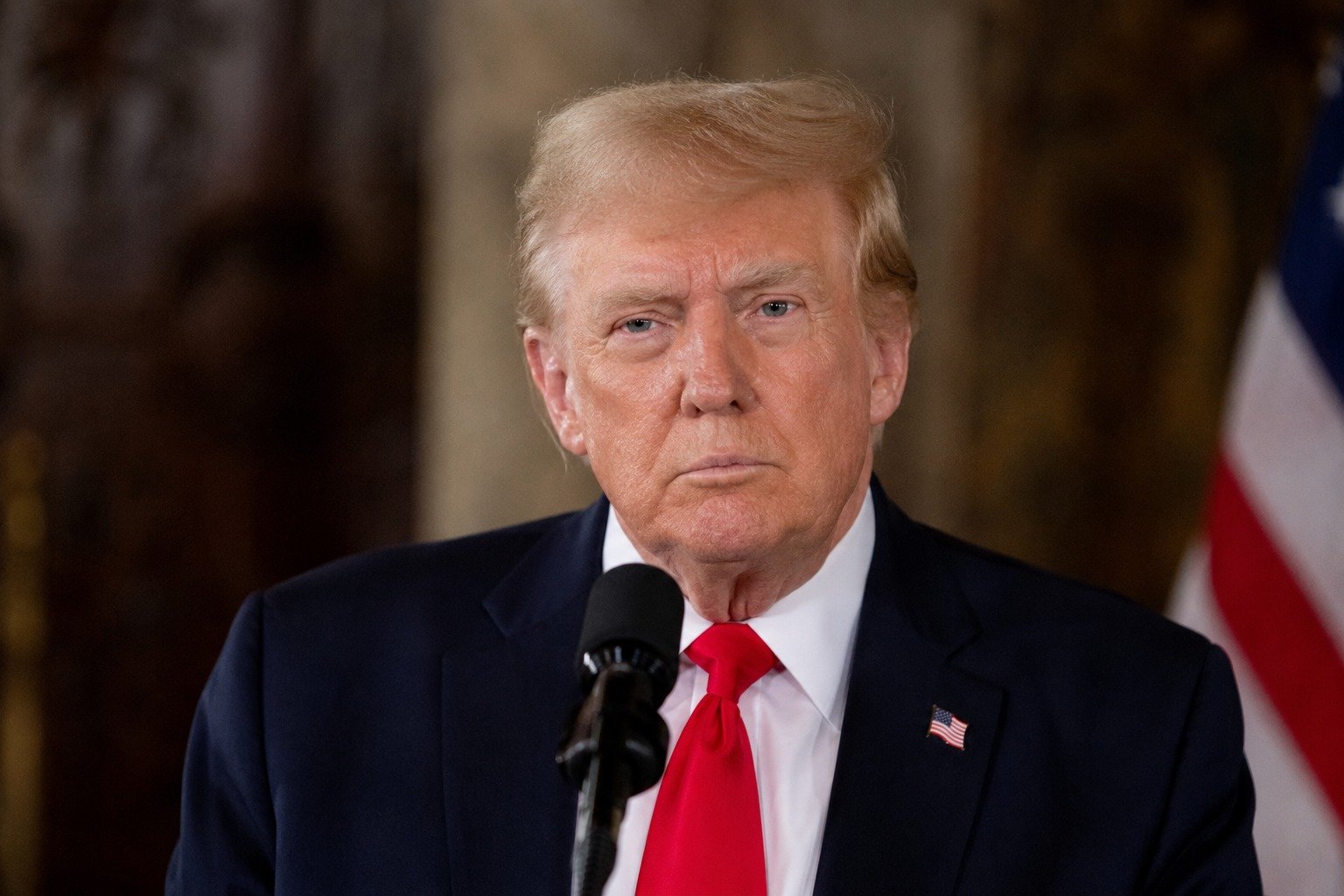
Articles of impeachment against President Donald Trump are sitting in Congress right now. Multiple resolutions have been filed in the 119th Congress, and in April 2026, Rep. John Larson introduced a sweeping package of 13 articles of impeachment against the president, drafted with longtime legal reformers Ralph Nader and Bruce Fein. None of these efforts are likely to advance in a Republican-controlled House — but they have put the question squarely on the public record.
What Has Actually Been Filed
This is not a single gesture from one lawmaker. Several impeachment resolutions have been introduced this session, including H.Res. 353, H.Res. 537, and H.Res. 939. Each represents a different attempt to formally accuse the president of conduct that its sponsors argue rises to the level of an impeachable offense.
The most detailed of these came in April, when Rep. John Larson of Connecticut filed a package of 13 separate articles. Larson worked on the document with Ralph Nader, the veteran consumer advocate and longtime government-accountability figure, and Bruce Fein, a constitutional lawyer who served in the Reagan-era Justice Department. The collaboration is notable: Fein in particular has spent decades arguing that Congress has surrendered too much of its constitutional power to the executive branch, and he has pressed impeachment cases against presidents of both parties.
Why It Almost Certainly Won’t Advance
Here is the hard political reality. Impeachment begins in the House of Representatives, and Republicans control the House. That means the majority decides which measures get committee hearings, floor debate, and votes. Articles introduced by members of the minority can be filed, but they do not move unless leadership chooses to take them up — and there is no indication that will happen.
Even in the unlikely event that articles cleared the House, removal requires a two-thirds vote in the Senate. No president in American history has ever been removed by that process. So the practical ceiling on these resolutions is low, and their sponsors know it. Filing them is a statement of position, not a prediction of outcome.
The Case Both Sides Are Making
Supporters of the resolutions frame the act of filing as a matter of accountability. Their argument is that no president should be treated as above the rule of law, and that putting formal charges on the congressional record matters even when the votes to pass them do not exist. In their view, the historical record itself is part of the point — a documented objection that future Congresses and historians can weigh.
Critics counter that impeachment articles with no realistic path to passage amount to a symbolic exercise. They argue that introducing measures destined to stall does little beyond generating headlines, and that the energy would be better spent on legislation that can actually move. That disagreement — substance versus symbolism — is the live debate around these filings.
What This Means for Americans
For most people, the immediate effect is nothing concrete: no trial is scheduled, no removal is pending, and daily life is unchanged. What the filings do is force a question that voters will ultimately answer themselves — about where the line sits between conduct that is merely controversial and conduct that warrants the gravest remedy the Constitution provides. With the math against the resolutions in the House, that judgment falls back to the public and to the ballot box.
It is worth being precise about the facts here, because the topic invites exaggeration. Articles of impeachment have been filed. They are not advancing. No vote to impeach has passed, and none is expected in this Congress. The accurate version of this story is narrower than the loudest headlines — and that accuracy is exactly what makes the underlying question worth asking.
Stay informed on the stories that matter most. Follow Your Daily Updates on Facebook and bookmark yourdailyupdates.news for breaking news and analysis.