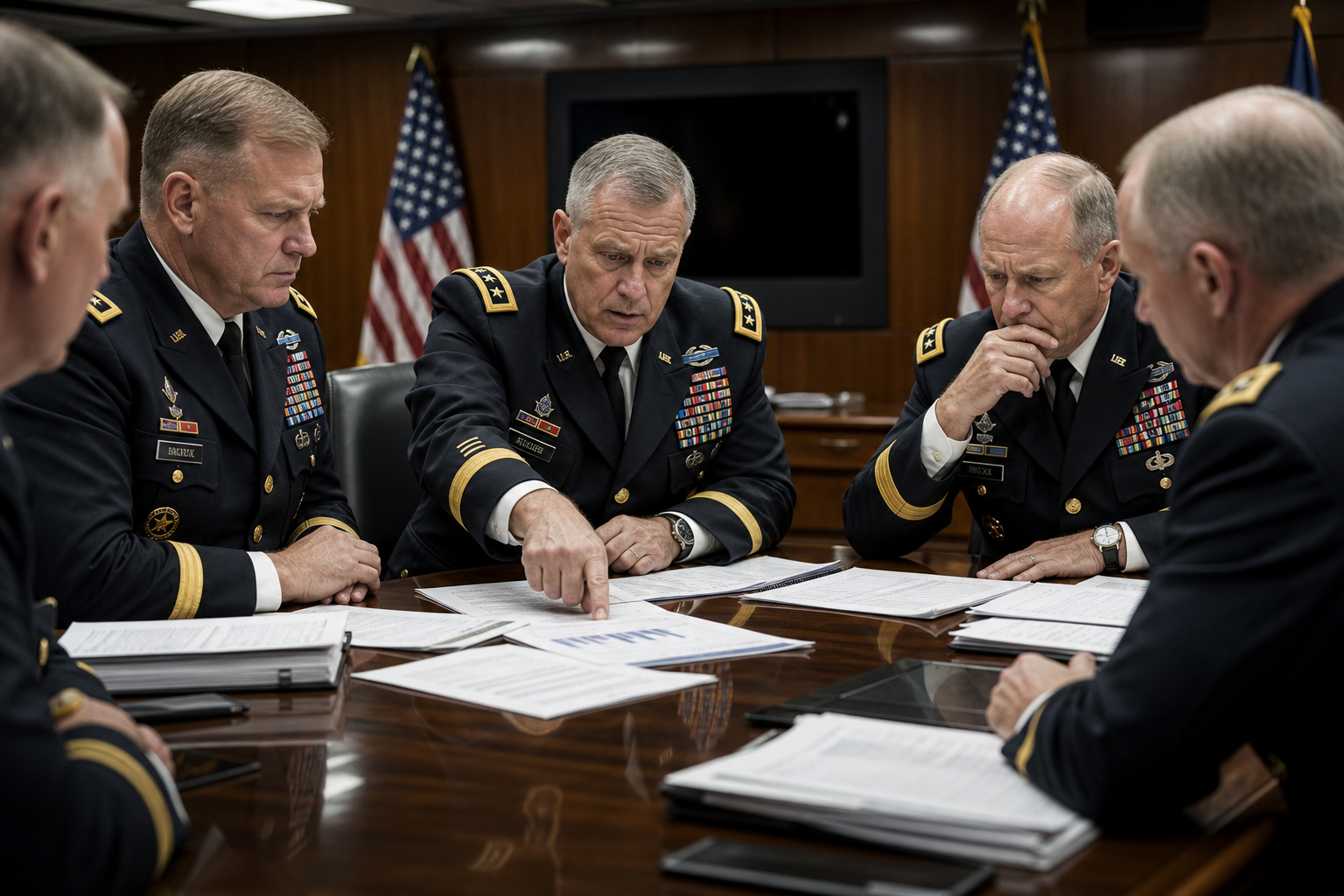
The U.S. Army has suspended some of its most demanding combat training programs mid-fiscal year — not because of any strategic shift, but because the money has run out. The Sapper Course, a grueling combat engineering school widely considered among the Army’s most elite, has been put on hold. Artillery training at Fort Campbell has been paused. Even baseline flight hours for Army pilots have been reduced — a decision with direct consequences for operational readiness at a moment when global tensions are rising.
A Budget Crisis Years in the Making
The Army’s fiscal year runs through September 30. With more than four months still remaining, the service is already operating in crisis mode. Defense officials are contending with a $4 to $6 billion budget shortfall — a gap driven by a collision of unexpected costs that no single appropriation was designed to absorb.
Three distinct spending pressures are draining the Army’s budget simultaneously. Ongoing operations tied to the conflict with Iran have carried substantial and continuing costs. A National Guard deployment securing the southern border and Washington, D.C. is projected to run approximately $1.1 billion for the fiscal year alone. And surging fuel costs have hammered aviation operations, large-scale training exercises, and troop movement across every command.
What Gets Cut When the Money Runs Out
The decision to cancel elite schools mid-year is not a paperwork problem — it has real consequences for the soldiers who were supposed to attend. Combat training pipelines are planned months in advance. A soldier who was scheduled for Sapper School this cycle now loses a year of career advancement. Specialized skills in combat engineering, artillery, and aviation don’t regenerate next quarter. Each cancellation creates a gap in the Army’s collective skill base that takes a full cycle — or longer — to close.
Defense officials have acknowledged that the most alarming aspect of this shortfall isn’t the dollar figure itself — it’s the mid-year timing. When budgets run out at the end of a fiscal year, commanders have time to plan for the next one. When they run out in May, there are no good options. Only choices about which capabilities to sacrifice.
Congress has been briefed on the shortfall. As of this writing, no emergency supplemental funding has been approved and no vote has been scheduled. Lawmakers have been informed of the readiness impact but have yet to act. Meanwhile, the Army is managing the crisis through internal cuts — reduced non-essential travel, squeezed administrative overhead — but the math doesn’t work without cutting training. And so training is what’s getting cut.
The Bigger Picture: How Washington’s Budget Dysfunction Costs Readiness
Military analysts and veteran organizations have raised concerns about the readiness gap created by canceled training. Critics argue that reducing elite programs sends the wrong signal to adversaries at a time when the U.S. is projecting strength in multiple theaters. Supporters of the current budget posture point to the broader legislative gridlock that has prevented full-year appropriations from passing on time for multiple consecutive fiscal years.
That context matters. The Army’s crisis is partly a symptom of how Washington funds the federal government. Continuing resolutions — short-term spending patches that keep the government running without passing an actual annual budget — prevent the Pentagon from executing long-range spending plans. When real expenses exceed the continuing resolution baseline, services are forced to make exactly the kind of cuts now visible at Fort Campbell.
What This Means for Americans
The United States asks its military to be ready to fight on short notice. Elite combat schools like the Sapper Course exist because readiness isn’t automatic — it has to be built, drilled, and maintained through continuous training cycles. When those programs get canceled because Washington can’t pass a budget, the gap doesn’t stay on paper. It shows up in the field, in the hands of soldiers who needed training they didn’t get. The Army will keep operating — but it will do so with a force that is, in measurable ways, less prepared than it was supposed to be. That cost is real, and Americans deserve to know what their government’s budget dysfunction actually buys.
Stay informed on the stories that matter most. Follow Your Daily Updates on Facebook and bookmark yourdailyupdates.news for breaking news and analysis.